
What Is YouTube SEO and Why It Still Matters in 2025
If you’ve been on YouTube for any length of time, you’ve probably heard that YouTube SEO is dead.
That couldn’t be further from the truth.
YouTube SEO hasn’t died, it’s evolved.
What worked in 2018 doesn’t work today because the way YouTube ranks and recommends content has changed completely.
In 2025, SEO on YouTube isn’t about stuffing tags or repeating keywords. It’s about understanding how people find, click, and stay on your videos.
This section breaks down what YouTube SEO actually means in the modern creator landscape and why mastering it still gives you an edge most channels ignore.
What YouTube SEO Actually Is
At its core, YouTube SEO (Search Engine Optimization) is the process of optimizing your videos and channel so they appear higher in both YouTube Search and YouTube Recommendations.
But here’s the key difference:
Traditional SEO (like Google) focuses on information retrieval, delivering the most accurate answer.
YouTube SEO focuses on viewer satisfaction, delivering the video most likely to be clicked, watched, and enjoyed.
So instead of “optimizing for algorithms,” modern YouTube SEO is about optimizing for human behavior that algorithms reward.
That means:
- Making people stop scrolling and click (Click-Through Rate)
- Keeping them watching longer (Retention)
- Encouraging them to continue watching other videos (Session Time)
Every view, skip, comment, and like teaches YouTube’s system who your video is for and whether it deserves more reach.
If your audience is clicking and staying, YouTube SEO is working, even if you never touch a keyword tool.
Why YouTube SEO Still Matters in 2025
There are 720,000 hours of video uploaded to YouTube every single day.
That’s roughly 500 hours every minute.
Without SEO, without a strategy for discovery, even great content gets buried.
In 2025, the competition for attention is fiercer than ever, but the opportunity is also bigger than ever.
YouTube’s recommendation system has become smarter, faster, and more personalized. That means creators who understand how to align with it can still explode overnight.
Here’s why SEO still matters now more than ever:
1. The Algorithm Still Reads Metadata
Yes, the YouTube algorithm now prioritizes performance signals like CTR and Watch Time, but metadata is still the starting point.
YouTube can’t test your video until it knows what it’s about.
That first layer of context, your title, description, captions, and thumbnail, still tells YouTube’s AI what kind of viewers to test your content with.
So even though your performance determines the final ranking, metadata determines who gets to see your video in the first place.
2. Search Still Drives Billions of Views
While the Browse and Suggested tabs dominate total traffic, YouTube Search remains the most consistent, evergreen traffic source on the platform.
Why? Because people still search:
- “How to fix X in Premiere Pro”
- “Best camera for YouTube”
- “YouTube SEO tips 2025”
If you build videos that answer specific queries or align with high-intent searches, you create a foundation of predictable, compounding traffic.
That’s how tutorial, review, and educational channels continue to grow for years after uploading a video once.
3. SEO Increases Discovery Beyond Search
Here’s the secret most creators miss:
When your videos perform well in Search, they get promoted in Suggested.
YouTube doesn’t isolate those two systems. If people search for your topic, click your video, and stay watching, YouTube starts showing that same video to new audiences through home feeds and recommendations.
So even though your goal is to rank in search, your reward is algorithmic discovery across the platform.
That’s the power of SEO in 2025, it’s not about ranking for a term, it’s about signaling that your content satisfies curiosity.
How YouTube Understands Your Video
YouTube uses multiple layers of data to decide where your video fits in the ecosystem.
Think of it like this:
- Contextual Understanding (Metadata)
Titles, descriptions, tags, captions, these tell YouTube what your video is about. - Performance Signals (User Behavior)
Click-through rate, average view duration, engagement, these tell YouTube how interesting your video is. - Personalization (Audience Fit)
Watch history, geography, and viewing patterns, these tell YouTube who your video is for.
Your goal is to make all three layers align:
Relevant metadata, strong performance, and clear audience targeting.
That’s modern YouTube SEO.
The Shift from Keywords to Behavior
In the early days, ranking on YouTube was as simple as including your target keyword in the title, description, and tags.
Today, it’s about behavior optimization, getting people to act.
YouTube’s algorithm now uses deep learning models to predict the likelihood that a viewer:
- Clicks your video
- Watches it to completion
- Watches another video afterward
That’s why the best YouTube SEO in 2025 starts with content packaging, not metadata stuffing.
Here’s what drives modern rankings:
- Clickability (CTR) – Your title and thumbnail combo.
- Retention – The storytelling, pacing, and editing that keeps people watching.
- Satisfaction – Comments, likes, replays, and returning viewers.
It’s SEO powered by psychology, not code.
Why Most Creators Still Get SEO Wrong
The biggest mistake creators make in 2025 is assuming YouTube SEO means "adding the right keywords."
They forget that keywords don’t rank videos, people do.
If you’re optimizing your metadata but your click-through rate is low, you’ll never rank.
If your CTR is high but people drop off after 10 seconds, you’ll lose momentum.
SEO is an ecosystem, not a checklist.
Here’s the simple truth:
Every keyword, title, or tag is just a way to help the right people find your video.
What keeps them there, and what makes YouTube promote it, is how much value they get once they click.
The True Goal of YouTube SEO
The real goal of YouTube SEO isn’t to rank #1.
It’s to build a content system where every video feeds the next one.
That’s what YouTube’s algorithm rewards most, session continuity.
If your videos keep people watching longer across multiple uploads, your channel builds authority, trust, and momentum.
So instead of chasing single-video rankings, focus on optimizing your entire viewer journey.
Titles, thumbnails, pacing, and topics all connected by one theme.
That’s how creators like MrBeast, Ali Abdaal, and Marques Brownlee dominate, not through metadata tricks, but through interconnected SEO loops.
What YouTube SEO Looks Like in Practice
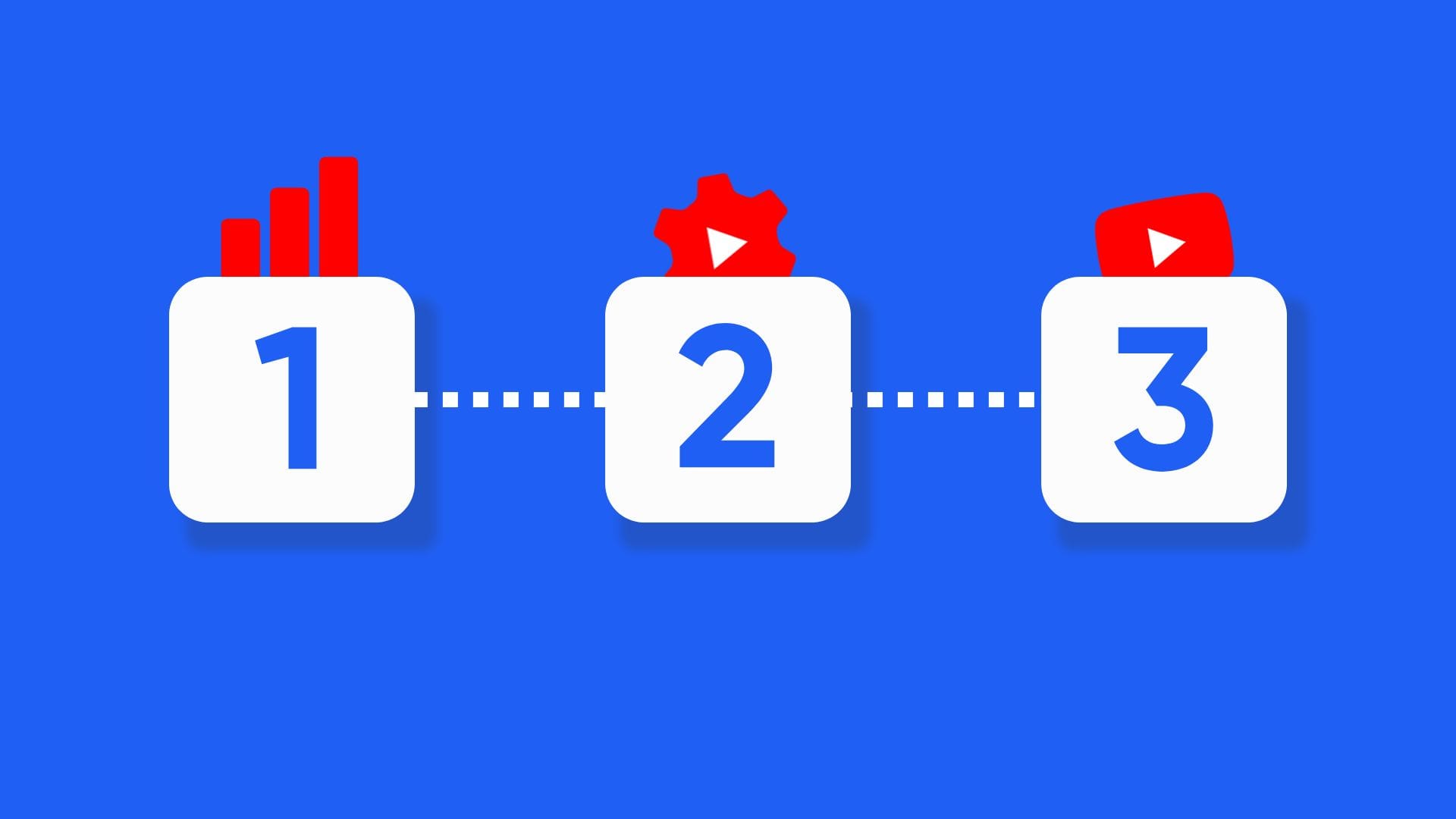
Here’s a simple example of how YouTube SEO actually works today:
Imagine you upload a video titled “How to Edit a YouTube Video in Premiere Pro (Step-by-Step)”
Step 1: Metadata Layer
- Title: clear and keyword-relevant.
- Description: adds context like “You’ll learn how to cut, color grade, and export videos for YouTube.”
- Tags and captions: reinforce the topic.
Step 2: Behavioral Layer
- Thumbnail: shows “Before/After” edit split-screen.
- Hook: first 5 seconds preview the transformation.
- Retention curve: steady 65% watch-through.
Step 3: Recommendation Layer
- YouTube sees viewers watch 2–3 more editing tutorials after yours.
- It starts recommending your video next to related channels.
- Within days, it shifts from “Search” traffic to “Suggested” dominance.
That’s how modern YouTube SEO compounds.
How the YouTube Algorithm Ranks Videos

If you want to master YouTube SEO, you have to understand one thing first, the algorithm doesn’t care about your upload schedule, your niche, or your subscriber count.
It only cares about what keeps viewers watching.
In 2025, YouTube’s algorithm is a viewer satisfaction prediction engine.
Its entire job is to recommend videos that are most likely to make people click, watch, and stay.
The channels that consistently do this rise in search results and recommendations.
The ones that don’t fade into obscurity, no matter how much keyword optimization they’ve done.
So let’s break down exactly how YouTube ranks videos in 2025, and what you can do to align your SEO strategy with what actually matters.
The Modern YouTube Algorithm: A Behavior Engine
YouTube’s system uses a network of AI models that evaluate billions of signals per day to decide what to show each individual viewer.
It’s not a single algorithm, it’s a collection of models working together across Search, Home, Browse, and Suggested feeds.
The common goal across all of them?
Predict what the viewer will enjoy most.
That prediction is built on three key pillars:
- Click-Through Rate (CTR) – How many people click your video when it’s shown.
- Watch Time & Retention – How long they stay once they click.
- Session Duration & Satisfaction – Whether they keep watching YouTube after your video.
The more positive signals your video sends across these three areas, the more YouTube trusts it to show to new people.
1. Click-Through Rate (CTR): The Gateway Metric
CTR is the first SEO battle you have to win.
It measures how many people click your video after seeing it on their home feed, in suggested videos, or in search results.
The formula is simple:
CTR = (Clicks ÷ Impressions) × 100
If your video gets 1,000 impressions and 100 people click, that’s a 10% CTR.
But here’s what most creators miss:
YouTube doesn’t reward high CTRs alone. It rewards CTR combined with strong retention.
If you get tons of clicks but people leave after 10 seconds, your video will stop being promoted fast.
The algorithm quickly learns, “People click this, but don’t stay, reduce impressions.”
So your job is to design titles and thumbnails that attract the right viewers, not every viewer.
CTR Optimization Tips:
- Match your thumbnail emotion to your title’s promise.
- Avoid baiting with topics that aren’t fully delivered in the video.
- Test variations, sometimes a simple color shift or facial expression can double CTR.
- Keep text in thumbnails under 5 words.
Remember: high CTR gets you a test audience; retention keeps you there.
2. Watch Time and Retention: The Core Ranking Signals
Once someone clicks, YouTube watches what they do next.
Average View Duration (AVD):
This metric tracks how long people watch your video on average.
If you upload a 10-minute video and the average view duration is 6 minutes, your AVD is 60%.
A high AVD signals to YouTube that viewers find your video valuable, and that it should be promoted more widely.
Absolute Retention Curve:
This graph shows exactly when people stop watching.
If you see a sharp drop-off at the start, your intro isn’t grabbing attention.
If you see dips in the middle, your pacing or storytelling needs tightening.
Relative Retention:
This compares your video’s performance against others of similar length.
If your 8-minute video holds viewers longer than the average 8-minute video, it’s performing above average, a positive SEO signal.
3. Session Duration: The Hidden Multiplier
Most creators obsess over watch time on their own videos.
But YouTube’s ultimate goal isn’t to maximize watch time per video, it’s to maximize watch time per session.
Session duration = the total amount of time a viewer spends on YouTube after watching your video.
If your video causes people to:
- Watch another video (especially one of yours)
- Stay on the platform longer
- Engage with related content
…YouTube rewards you with more exposure.
That’s why linking your videos through end screens, cards, pinned comments, and playlists is one of the most underused SEO tactics.
When you help YouTube achieve its goal (longer sessions), it helps you achieve yours (more views).
How YouTube Ranks Videos: The Full Process
Here’s a simplified version of what happens when you upload a new video:
- Indexing & Classification
YouTube scans your title, description, captions, and thumbnail to understand what your video is about.
This helps it decide which viewers to test your video with. - Initial Impression Test
The algorithm shows your video to a small group of users (based on their watch history and interests). - Behavioral Testing
It tracks CTR, retention, satisfaction, and session continuation. - Performance Scaling
If your video performs better than average for that audience, YouTube expands reach to a wider audience. - Continued Testing
Even months later, YouTube will re-test your video with new users to see if it performs in new contexts.
In short, YouTube doesn’t rank videos by what you say they’re about, it ranks them by how people respond.
Understanding Ranking Across Surfaces
YouTube doesn’t have a single ranking system. Each surface (Search, Home, Suggested, Shorts) has its own optimization layer.
| Surface | Ranking Focus | Primary Signals |
|---|---|---|
| Search | Relevance + Performance | Keywords, CTR, Retention |
| Home Feed | Interest Prediction | Watch history, Topic fit |
| Suggested | Video-to-Video Relationship | Topic overlap, engagement loops |
| Shorts Feed | Rapid Engagement | Watch completion, replays, likes |
A successful video triggers signals across multiple surfaces.
That’s why creators who master SEO don’t just rank in search, they dominate recommendations.
Why Subscriber Count Doesn’t Matter Anymore
One of the biggest misconceptions about YouTube SEO is that having more subscribers guarantees views.
In reality, subscribers are preference signals, not ranking factors.
YouTube doesn’t push your video to all subscribers, it tests it first.
If subscribers respond positively (CTR + Retention), then it expands distribution.
That’s why smaller creators with optimized packaging and strong audience retention can outperform massive channels.
Your performance signals outweigh your audience size.
Engagement Metrics That Support SEO
Engagement metrics like likes, comments, shares, and replays don’t directly rank your video, but they influence viewer satisfaction models.
They tell YouTube:
“People enjoyed this enough to take action.”
Even though the weight of these signals has decreased compared to 2020–2023, they still reinforce the algorithm’s confidence in your content quality, especially comments and replays.
Tip:
Ask open-ended questions near the end of your video to encourage authentic discussion. Avoid generic “Like and Subscribe” prompts.
The YouTube SEO Feedback Loop
YouTube SEO is not a one-time optimization. It’s a loop that strengthens over time.
Here’s how it works:
- Metadata gives YouTube the topic.
- CTR gets you initial impressions.
- Retention improves ranking signals.
- Session duration pushes you into recommendations.
- Engagement and returning viewers create authority.
- Authority increases your video’s initial testing base for the next upload.
Once you create that loop, every video you upload ranks faster and performs better, a compounding effect.
Modern Ranking Priorities: What Matters Most (2025)
| Factor | Weight | Description |
|---|---|---|
| CTR | High | Determines initial exposure and testing scale. |
| Retention | Very High | Dictates overall video success and suggested ranking. |
| Session Duration | High | Impacts long-term discoverability. |
| Watch History Relevance | Medium | Determines how well you fit viewer interests. |
| Metadata | Medium | Helps YouTube understand content before testing. |
| Engagement | Low/Supportive | Reinforces positive viewer satisfaction. |
| Tags | Minimal | Used only for disambiguation or typos. |
How This Shapes Your SEO Strategy
If you take away one lesson from this section, it’s this:
The YouTube algorithm doesn’t reward videos that look optimized, it rewards videos that perform optimized.
That means:
- Stop focusing on tags and keyword density.
- Start focusing on behavior triggers (clicks, curiosity, retention).
- Use your analytics not to report, but to adjust packaging for the next upload.
This is where smart tools like 1of10 come in, analyzing outliers, revealing what’s working, and guiding you to replicate success at scale.
Keyword Research for YouTube: Finding What People Actually Watch
If Section 2 explained how the YouTube algorithm ranks videos, this section covers why your ideas need to start with search intent.
Every viral video begins with one question:
“What do people actually want to watch right now?”
That’s where YouTube keyword research comes in, but not in the traditional “SEO keyword stuffing” sense.
In 2025, keyword research isn’t about chasing volume; it’s about finding alignment between curiosity and content.
Let’s break down how you can research keywords, discover high-performing ideas, and create content that your audience and the algorithm both love.
What YouTube Keyword Research Actually Means
When people hear “keyword research,” they think of spreadsheets full of search terms, filters, and competition scores.
But YouTube SEO works differently.
People don’t just search for videos, they browse, click, and watch based on what looks interesting.
That means your keyword research needs to blend analytics and human behavior.
A YouTube keyword isn’t just a phrase like “how to grow on YouTube.”
It’s a trigger that captures a viewer’s attention, curiosity, and intent to watch.
For example:
- “How to grow a YouTube channel” → informational intent
- “Why your channel isn’t growing” → emotional intent
- “I tried posting daily for 30 days” → experiential intent
Each one represents a different viewer mindset, and that’s the difference between ranking and being ignored.
The 3 Layers of YouTube Keywords
To master YouTube keyword research, think in three layers of intent.
| Layer | Keyword Type | Viewer Mindset | Example |
|---|---|---|---|
| 1. Search Intent | High-volume queries | Viewers want a direct answer | “How to edit videos on iPhone” |
| 2. Discovery Intent | Suggested titles | Viewers want to learn something new | “Editing hacks I wish I knew sooner” |
| 3. Curiosity Intent | Emotional hooks | Viewers want entertainment or insight | “I let AI edit my video — here’s what happened” |
The best-performing videos in 2025 combine all three.
They start with a searchable base, wrap it in curiosity, and deliver value that satisfies discovery intent.
Step 1: Start With YouTube Itself
The best keyword tool is YouTube.
The platform gives you real-time data through autocomplete, trends, and related searches.
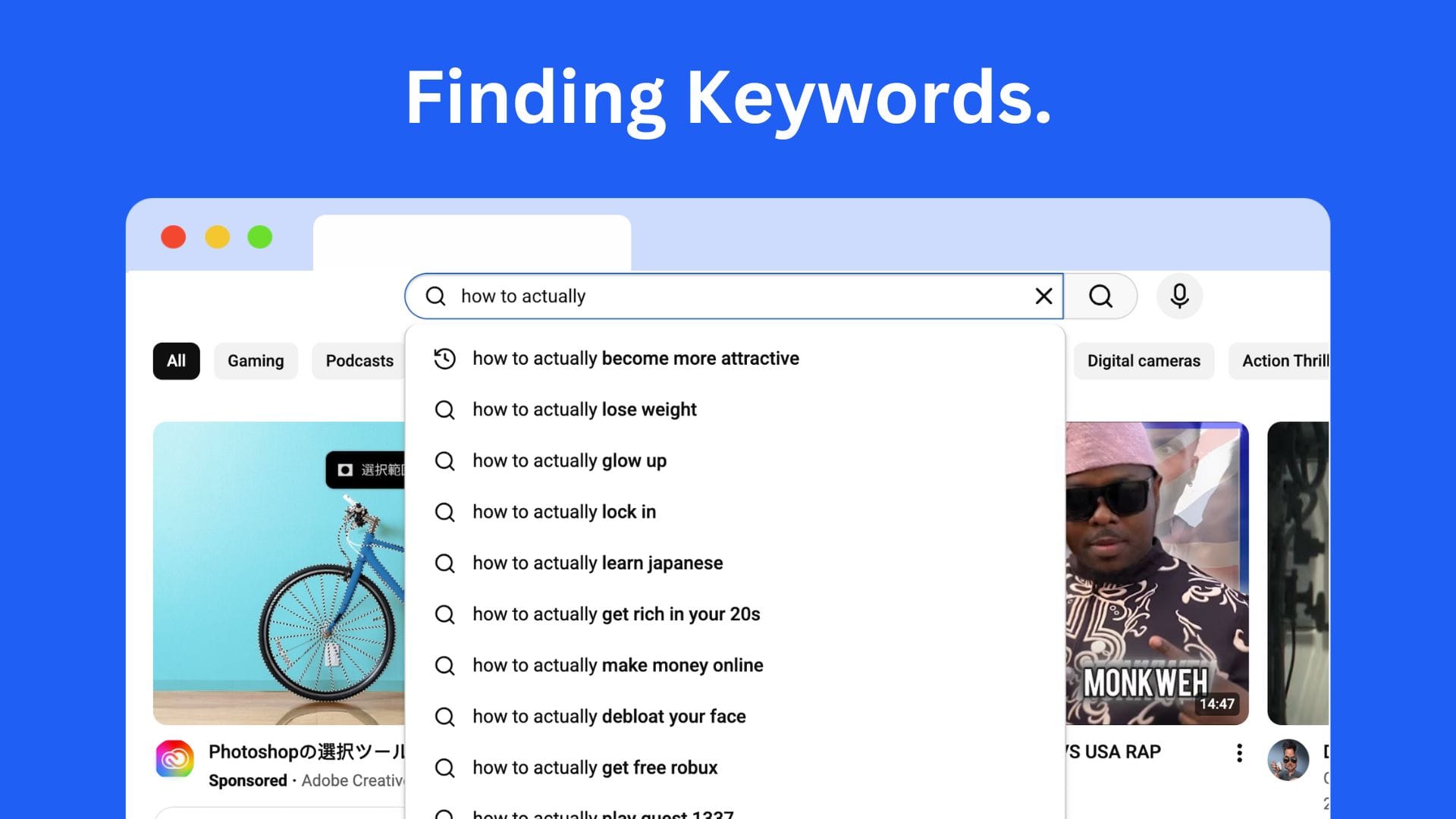
Autocomplete Search
Go to the YouTube search bar and start typing your topic, YouTube instantly suggests popular phrases people are already searching for.
Example:
Typing “YouTube SEO” might give:
- youtube seo tutorial
- youtube seo tips 2025
- youtube seo for beginners
- how to rank youtube videos
These suggestions come from real user behavior.
They’re gold for idea validation.
Related Searches
After you hit enter, scroll to the bottom of the results, you’ll see “People also searched for.”
These are tangential queries that you can cluster together for multiple uploads or playlists.
Pro Tip:
YouTube search predictions are personalized. For unbiased data, use incognito mode or a clean browser profile.
Step 2: Use Data from YouTube Studio
Inside YouTube Studio → Analytics → Research, you can now see what your viewers are searching for.
This built-in feature gives you:
- Search queries your audience typed recently
- Content gaps (topics people search but can’t find well-covered videos for)
- Regional trends (what’s hot in your audience’s geography)
These insights are priceless.
Instead of guessing what people want, you can find topics that your actual subscribers and viewers are already interested in, but haven’t been served yet.
Combine that data with YouTube’s “Content Gap” report and you’re essentially building videos the algorithm needs more of.
Step 3: Research Competitor Channels (Outlier Analysis)
The next step is to study what’s already performing in your niche, not by copying it, but by understanding why it works.
Use tools like 1of10’s Outlier Search to instantly find videos that:
- Performed far above average for their channel
- Have above-average CTR and retention
- Reveal trends that are gaining traction
This is how you reverse-engineer success:
You identify the topic formats and presentation angles that drive massive viewership, and then adapt them to your own style.
For example:
- A productivity creator might notice that “Notion setup” tutorials outperform general “productivity tips.”
- A gaming creator might see that “AI vs Player” content outperforms traditional gameplay.
Outliers don’t just tell you what works, they tell you what the audience is craving.
Step 4: Go Beyond Search: Tap into Viewer Curiosity
Here’s the thing: most high-performing videos on YouTube don’t rely on search traffic anymore.
They explode through recommended traffic.
That means your keyword research needs to move beyond queries and focus on themes.
Ask:
- What’s trending in my niche right now?
- What are viewers debating or excited about?
- What patterns do viral videos share in their phrasing or packaging?
Example:
Instead of optimizing for “How to get better at Fortnite,”
You could pivot to “I trained for 7 days to become a Fortnite pro.”
Both serve similar audiences, but one triggers emotion and story, the new era of SEO.
Step 5: Analyze Video Titles, Not Just Keywords
YouTube’s algorithm doesn’t rank keywords, it ranks titles that get clicked.
That’s why keyword-based optimization is outdated.
You need to analyze language patterns in top-performing titles.
Here’s how:
- Search your target topic (e.g., “YouTube SEO”).
- Copy the top 10 video titles.
- Identify recurring structures like:
- “How to X Without Y”
- “The Truth About X”
- “I Tried X for 30 Days”
- Mix that structure with your unique keyword.
This is how you turn keyword data into clickable titles.
With 1of10’s Title Generator, this process becomes instant, just input your keyword or idea, and it outputs dozens of viral-style variations based on successful formats.
Step 6: Validate Interest Using CTR and Impressions
Once you have a list of potential topics or keywords, validate them with data.
Inside YouTube Studio:
- Go to Content → Reach → Impressions and CTR
- Filter for topics that consistently generate above-average CTR
- Note which thumbnails and titles outperform others
High CTR on certain phrasing means the audience already resonates with that keyword concept, use those for your next batch of ideas.
Step 7: Combine Keyword Data with Your Channel’s Analytics
The best keyword isn’t always the one with the highest search volume, it’s the one your audience actually responds to.
Here’s how to personalize your keyword strategy:
- Go to YouTube Studio → Analytics → Audience.
- Look for:
- “Other channels your audience watches”
- “Videos growing your audience”
- Identify overlaps between your niche and their content topics.
If multiple related creators perform well on a certain keyword, it’s probably an area where YouTube wants to recommend similar content.
That’s where you double down.
Step 8: Group Keywords Into Clusters
Instead of chasing single keywords, build keyword clusters, related phrases that cover an entire topic.
For example:
- Main keyword: “YouTube SEO”
- Cluster keywords:
- “how to rank YouTube videos”
- “YouTube tags 2025”
- “best YouTube keywords”
- “YouTube search algorithm”
Then plan 3–5 videos across that cluster.
This signals topical authority to YouTube, you’re not a one-hit creator, you’re the resource.
That’s how channels like Think Media and Film Booth dominate, they own keyword ecosystems, not keywords.
Step 9: Blend Data with Passion
Here’s the reality:
If you chase only keywords, you’ll burn out.
The best YouTube keyword strategy balances data with passion.
You should only create videos you’d still enjoy making if they got 1,000 views instead of 100,000.
Ask yourself:
- Do I care enough about this topic to make multiple videos around it?
- Does it align with what my viewers already love?
- Can I add a unique angle or insight no one else has?
If the answer is “yes,” you’ve found a keyword worth building around.
Practical Example: Keyword to Content Flow
Let’s walk through an example:
Step 1: You find a keyword “YouTube Shorts algorithm.”
Step 2: You research and see top videos titled:
- “How the YouTube Shorts Algorithm Works in 2025”
- “Why Your Shorts Don’t Get Views”
- “I Posted 100 Shorts and Learned This.”
Step 3: You use the Idea Generator in 1of10 → prompt:
“Generate 10 video ideas for the YouTube Shorts algorithm topic.”
You get results like:
- “I Tried Cracking the YouTube Shorts Algorithm in 7 Days.”
- “Posting 10 Shorts a Day for 1 Week (The Results Shocked Me).”
Step 4: Use the Title Generator to refine and test angles.
Step 5: Create, upload, and monitor retention.
You’ve just turned a keyword into a viral-ready idea, fast.
Optimizing Titles, Descriptions, and Thumbnails for SEO

You’ve done your keyword research.
You know what your audience wants to watch.
Now comes the most critical step, packaging your video so people actually click.
Because here’s the truth:
No matter how good your content is, if your title and thumbnail don’t stop the scroll, the algorithm never gives you a chance to prove it’s great.
This section breaks down the full YouTube SEO packaging process, how to write clickable titles, design effective thumbnails, and structure descriptions that tell YouTube exactly who your content is for.
The Golden Rule: CTR Is the New SEO
In 2025, Click-Through Rate (CTR) is the most important metric that bridges discovery and ranking.
Your title and thumbnail are the first two signals YouTube uses to:
- Predict whether people will click.
- Decide who to show your video to.
A well-optimized title and thumbnail combination doesn’t just get clicks, it gets the right clicks.
Clickbait can get you a 15% CTR once.
Consistency and alignment can get you 10% CTR across every video, and long-term growth.
Part 1: Writing Titles That Drive Clicks and Rankings
YouTube’s title system does two things:
- Feeds context to the algorithm (so it knows who to test the video with).
- Triggers curiosity for the viewer (so they actually click).
That means your titles must satisfy both machines and humans.
1. The SEO Foundation
Include your primary keyword or topic within the first few words, not for ranking manipulation, but for context.
Example:
✅ “YouTube SEO Tutorial for 2025 (Grow Faster with Data)”
❌ “Want More Views? Try This!”
Search-first viewers still rely on keyword clarity to find your content.
2. The Curiosity Hook
After clarity, add intrigue. The goal is to make people need to know what’s inside.
Some proven frameworks:
- “How to [Achieve Desired Outcome] Without [Common Obstacle]”
→ “How to Rank on YouTube Without Posting Daily.” - “The Truth About [Topic/Tool/Trend]”
→ “The Truth About YouTube’s 2025 Algorithm.” - “I Tried [X] So You Don’t Have To”
→ “I Tried Every YouTube SEO Tip: Here’s What Actually Works.” - “This [Timeframe/Challenge] Changed Everything”
→ “30 Days of YouTube SEO: The Results Shocked Me.”
These patterns tap into human curiosity loops, the psychological urge to close an open question.
3. Emotional Power Words
High-performing YouTube titles often include emotional or action-driven words that amplify urgency and connection.
| Emotion | Example Words |
|---|---|
| Curiosity | Secret, Hidden, Revealed, Truth |
| Excitement | Shocking, Game-Changing, Insane |
| Achievement | Success, Master, Win, Dominate |
| Urgency | Today, Before It’s Too Late, Now |
Use them sparingly, the goal is to enhance, not overwhelm.
4. Shorter Is Smarter
The best-performing titles in 2025 are 45–60 characters long.
Why? Because shorter titles are:
- Easier to read on mobile
- Fully visible on desktop
- Easier for the algorithm to parse
You can use a longer version in your description for extra context, but the title should focus on impact per word.
5. A/B Testing Titles
Even the best title is a guess until it’s tested.
Tools like 1of10 Title Generator, or internal testing (changing your title after 48 hours) can reveal which phrasing gets higher CTR.
Part 2: Thumbnails That Stop the Scroll
If the title tells a story, the thumbnail shows it.
The perfect YouTube thumbnail does three things:
- Catches attention
- Builds curiosity
- Complements (not duplicates) the title
The human brain processes images 60,000x faster than text.
That means your thumbnail has less than 2 seconds to make someone pause, and decide if your video is worth their time.
1. Design for Click Psychology
Good thumbnails are about emotion and clarity, not artistic complexity.
Here are best practices backed by CTR studies:
- Contrast is king. High contrast = higher visibility on small screens.
- Faces work (when authentic). Eye contact or expressive reactions drive clicks.
- Avoid clutter. 1–2 focal points only.
- Use consistent color grading for brand recall (your visual identity should stand out in the feed).
- Text under 5 words. The text should complement the title, not repeat it.
Example:
Title: “How I Got 1M Views with 10 Subscribers”
Thumbnail: Shocked face + upward graph + “1M Views” text
The viewer’s brain connects the what (1M Views) and the how (video content) instantly.
2. Contextual Thumbnails (Matching Content)
Thumbnails that overpromise but underdeliver destroy long-term SEO.
YouTube’s AI can now detect misleading thumbnails based on drop-off rates within the first 15 seconds.
If 80% of viewers bounce immediately, your CTR becomes meaningless, the system classifies your video as “unsatisfactory,” hurting your reach.
Authenticity wins over exaggeration every time.
3. A/B Test Thumbnails Regularly
Change thumbnails after 48–72 hours if CTR remains below your channel average.
A 1% CTR increase can result in thousands of extra views over time.
1of10’s Thumbnail Generator makes this easy, upload your original, enter a new concept prompt (e.g., “add zoom effect and highlight character expression”), and instantly generate multiple AI-enhanced variants for testing.
4. Think Mobile-First
Over 70% of YouTube traffic in 2025 comes from mobile.
Always test thumbnails on a phone, not just on a desktop monitor.
Ask:
- Is the focal point visible at 10% scale?
- Can I read the text without squinting?
- Does it pop against dark and light modes?
Mobile optimization = algorithm optimization.
Part 3: Descriptions That Feed the Algorithm
The description’s role in 2025 isn’t to stuff keywords, it’s to contextualize the video for both viewers and AI.
1. The 3-Paragraph Formula
Paragraph 3 (Engagement & Links)
End with a CTA that guides viewers further.
Example:
“If you’re serious about growing on YouTube, check out 1of10, the tool creators use to find viral ideas, titles, and thumbnails in seconds.”
Paragraph 2 (Algorithm Context)
Naturally include your main and secondary keywords here, the goal is readability and clarity.
Example:
“This YouTube SEO tutorial covers how to use titles for rankings, design thumbnails that increase clicks, and write descriptions that YouTube’s algorithm understands.”
Paragraph 1 (Viewer-Focused Hook)
Explain what they’ll learn or experience in the video. Keep it natural and engaging.
Example:
“In this video, I’ll show you how to optimize your YouTube titles, thumbnails, and descriptions using real data to boost your CTR and grow faster.”
2. Hashtags and Keywords in Descriptions
Hashtags (#Shorts, #YouTubeSEO, etc.) still help classification, especially for trends and series.
Keep it to 3–5 relevant tags max.
Avoid repetition and keyword dumping, YouTube now deprioritizes over-optimized descriptions that read unnaturally.
3. Include Timestamps
Timestamps improve both viewer experience and SEO indexing.
They help YouTube understand the structure of your video while keeping viewers engaged longer.
Example:
0:00 Intro
0:40 Why CTR Matters
2:15 Writing Clickable Titles
5:30 Thumbnail Design Tips
8:45 Writing YouTube Descriptions
10:20 Summary
YouTube uses timestamps to enhance search snippets and Google video carousels.
4. Link Smartly
Internal linking inside your description is underrated.
YouTube wants viewers to stay on the platform, so link to:
- Related videos
- Playlists
- Channel subscriptions
- Your affiliate offers (only once or twice max)
This not only builds watch sessions but also increases your average revenue per viewer.
Metadata Hierarchy: How It All Connects
Every metadata element (title, description, tags, captions) should reinforce the same message.
You’re not gaming the system, you’re aligning all signals.
| Element | Purpose | Optimization Tip |
|---|---|---|
| Title | Get clicks | Mix clarity + curiosity |
| Thumbnail | Stop scroll | Use emotion & visual contrast |
| Description | Contextualize content | Keyword-rich, readable, timestamped |
| Tags | Help disambiguation | Only use relevant alternates |
| Captions | Support indexing | Auto-captions + manual corrections |
Together, they form the SEO entry point for YouTube’s recommendation engine.
Pro Tip: The Thumbnail–Title–Intro Loop
To maximize retention, your intro must deliver on the thumbnail’s promise.
This psychological loop keeps viewers from bouncing early.
- Thumbnail: Creates intrigue
- Title: Reinforces curiosity
- Intro: Delivers a payoff or preview
If all three align, viewers feel rewarded immediately, the strongest possible signal to the algorithm.
Retention, Watch Time, and Storytelling: The New SEO Power Trio
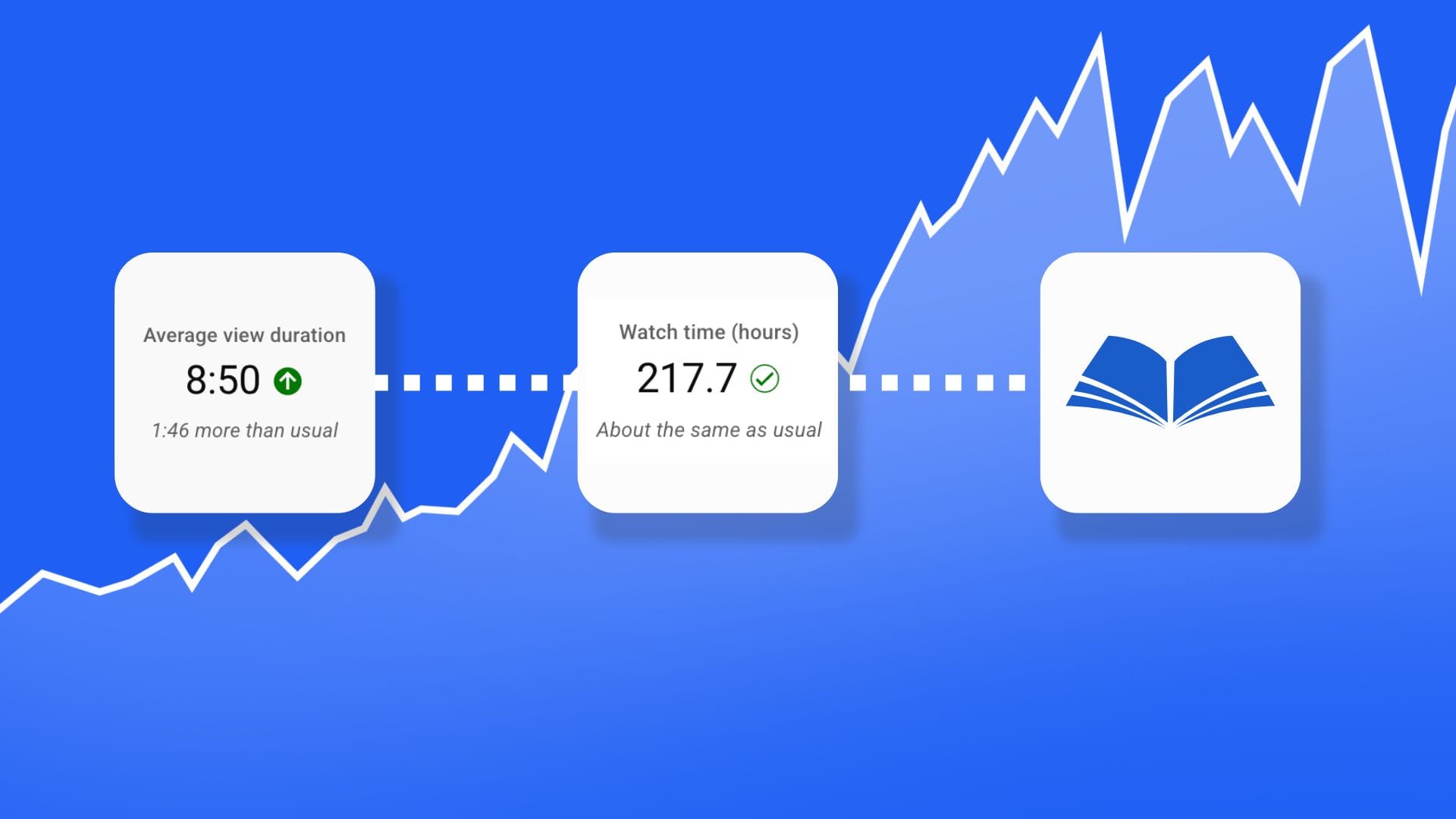
If CTR gets people in the door, retention and storytelling make them stay, and that’s where real YouTube SEO happens.
Because here’s the thing:
The algorithm doesn’t just reward clicks anymore.
It rewards videos that people finish watching and remember.
YouTube has one simple goal, to keep people on the platform as long as possible.
So if your videos increase average session duration, the system has to keep recommending you.
That’s why in 2025, watch time and retention are your most powerful ranking levers.
Let’s break down exactly how these signals work, how storytelling affects viewer behavior, and how you can use both to build algorithm-proof videos.
1. The Psychology Behind Retention
Viewers don’t leave your video because they hate it.
They leave because their brain found a more interesting alternative.
Your job isn’t to make a “perfect” video, it’s to create a constantly interesting one.
Retention comes down to two psychological triggers:
- Curiosity: The desire to know what happens next.
- Reward: The satisfaction of feeling like watching was worth it.
YouTube’s AI measures both through watch behavior.
When viewers skip, rewind, replay, or watch till the end, YouTube learns how engaging your content feels.
That’s why in 2025, YouTube’s algorithm isn’t just ranking based on time watched.
It’s ranking based on viewer satisfaction.
2. How YouTube Measures Retention and Watch Time
Average View Duration (AVD)
This metric shows how long people stay on average.
If your 10-minute video has a 6-minute AVD, that’s 60%, strong performance.
Absolute Audience Retention
This graph shows the percentage of viewers still watching at each second.
Drops indicate boredom, confusion, or pacing issues.
Relative Audience Retention
This compares your video against others of similar length across YouTube.
If you’re above average, it means your storytelling beats most of your category.
Replays and Rewinds
Newer analytics models in 2025 track how often viewers replay a section, a sign of rewatch value, which strongly improves video ranking.
3. Storytelling: The Secret to Retention
YouTube creators often say “hook them in the first 15 seconds,” but that’s only half the story.
Retention doesn’t come from a single moment, it comes from structured curiosity.
Think of your video like a movie, it needs setup, conflict, and payoff.
Here’s a framework you can apply to almost any niche:
| Stage | Purpose | Example |
|---|---|---|
| Hook (0–15 sec) | Establish intrigue. Open a loop. | “I spent $100 trying to beat YouTube’s algorithm.” |
| Setup (15–60 sec) | Give context fast. | “Everyone says post daily, but I wanted to test if quality beats quantity.” |
| Conflict (1–5 min) | Build tension or struggle. | “After 10 uploads, views tanked. I almost quit.” |
| Resolution (5–10 min) | Deliver payoff or insight. | “Then I found a pattern — this title format tripled my CTR.” |
| Call-to-Action | Reward or invitation. | “Try it yourself using 1of10 — it helped me spot what worked.” |
This is narrative pacing.
It doesn’t matter if you’re doing tutorials, reviews, or documentaries, your job is to take the viewer on a journey, not just explain information.
4. The First 30 Seconds: Your Retention Battlefield
YouTube retention graphs almost always drop 20–40% in the first 30 seconds.
That’s normal, but it’s also fixable.
Here’s what you should do in those first moments:
✅ Deliver the value fast. Don’t waste time on intros or greetings.
✅ Use visual momentum. Quick cuts, overlays, or camera movement.
✅ Pay off your title. The viewer clicked for a reason, acknowledge that immediately.
✅ Set up an open loop. Hint at something coming later (“But then everything changed at minute 3”).
A strong opener is a contract, you tell the viewer, “I won’t waste your time.”
5. Mid-Roll Retention: The Art of Pacing
Most creators lose viewers halfway through because the pacing flattens.
The story either slows down or becomes repetitive.
The solution is micro-hooks, mini curiosity resets that keep viewers engaged.
Examples of Micro-Hooks
- “And this is where I realized I made a huge mistake.”
- “But what happened next changed everything.”
- “Before I show you the results, there’s one thing you need to see first.”
Each micro-hook re-engages the brain’s curiosity loop.
It doesn’t need to be dramatic, it just needs to spark interest again.
6. The Power of B-Roll and Visual Flow
Visual change = attention reset.
Every 5–7 seconds, something on-screen should shift, a camera angle, overlay, zoom, or scene.
This isn’t about “fast editing,” it’s about keeping the eye entertained.
If your visuals support the story instead of just filling space, you’ll naturally hold more retention.
You can even use AI-assisted motion graphics tools (like the ones we discussed for your editing product) to automatically generate movement and sound cues that enhance pacing.
7. Watch Time: The Compounding Signal
Watch time isn’t just about one video, it’s about how your content affects viewer sessions.
If your video gets people to watch more of your channel or stay on YouTube longer, you’ll notice exponential growth.
That’s why you should:
- End with a call-to-next video instead of “Thanks for watching.”
- Use end screens to direct viewers to related videos.
- Create series playlists that autoplay.
YouTube loves loops. If your content creates them, your videos will dominate recommendations.
8. Retention Engineering: The Analytics Feedback Loop
Every great creator reverse-engineers their own retention curve.
Here’s how you should analyze your videos weekly:
| Metric | What It Tells You | Action |
|---|---|---|
| Drop-off at start | Hook or intro is too slow | Cut faster, start with value |
| Dips mid-video | Losing interest | Add B-roll, story tension, pacing fix |
| Gradual decline | Content too linear | Add transitions, micro-hooks |
| Strong finish | Engaged audience | Replicate structure next time |
Once you spot a winning format, double down.
Consistency compounds retention faster than experimentation.
9. Storytelling Templates for Different Niches
Here are frameworks adapted to specific content types:
Education Channels
- Start with the problem the viewer faces.
- Tease the solution early (“By the end, you’ll know exactly how to…”).
- End with a takeaway or challenge to apply.
Entertainment or Commentary
- Use emotional pacing: humor → tension → payoff.
- Keep visuals dynamic with jump cuts and reaction close-ups.
- Always set expectations early, “This story gets weird fast…”
Gaming or Tech Reviews
- Start with a strong statement or result (“This camera made me rethink my setup”).
- Use timeline progress: setup → experiment → reveal.
- Overlay performance metrics or reactions to maintain variety.
Each niche has its rhythm, the key is building anticipation every few seconds.
10. Tools That Improve Retention
There are now dozens of tools that help creators optimize retention, from pacing analyzers to story structure aids.
But the best approach remains combining data and instinct.
Tools like 1of10’s Outlier Search let you:
- Identify which videos in your niche have above-average retention.
- Spot trends in pacing, intro style, and duration.
- Discover “retention outliers”, videos that hold audiences longer than competitors.
By analyzing how these videos hook and flow, you can reconstruct their success for your own audience.
11. The Retention–Watch Time Loop
This is the new SEO feedback system for 2025:
- Good Title + Thumbnail → High CTR
- Strong Hook → High Initial Retention
- Great Storytelling + Pacing → High Average View Duration
- Calls to Next Video → Longer Watch Sessions
- Algorithm Push → More Impressions and New Audiences
You don’t need virality, you need consistency within this loop.
Every successful YouTuber, from Ali Abdaal to Ryan Trahan, uses it, consciously or not.
12. Bonus: Retention for Shorts
Shorts retention is more brutal, you either win or die in 2 seconds.
But the principles are the same, just compressed.
Shorts Retention Formula
- Hook in the first second
- Story arc within 12–15 seconds
- Punchline or payoff at the end
- Visual resets every 1–2 seconds
If people rewatch your Short (common with punchy loops), your completion rate skyrockets, and YouTube will keep pushing it to new feeds.
Building Channel Authority and Topical Relevance
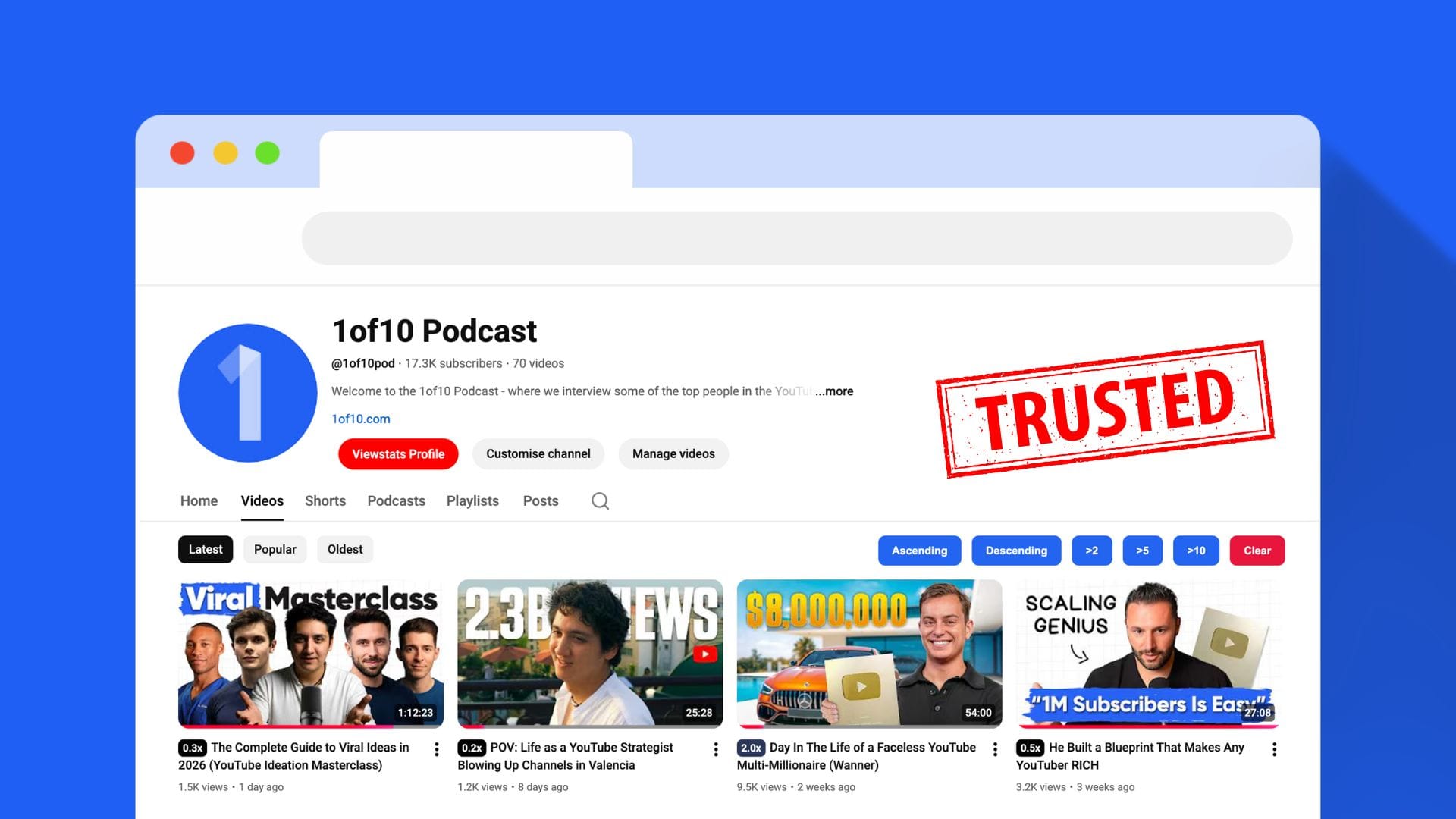
You can have great titles, thumbnails, and watch time, but if YouTube doesn’t see your channel as an expert, your growth will plateau.
That’s where channel authority comes in.
In 2025, YouTube SEO is no longer just about optimizing individual videos.
It’s about training the algorithm to recognize what your entire channel stands for.
Authority is what makes YouTube recommend your video before someone else’s.
It’s what allows smaller creators to outperform channels with millions of subscribers.
Let’s unpack how to build topical authority, the signals YouTube looks for, and how to position your channel as the go-to source in your niche.
1. What Is Channel Authority?
Channel authority is YouTube’s version of domain authority.
It’s how confident the algorithm is that your content consistently delivers value within a specific topic.
Think of it like this:
| Metric | Example |
|---|---|
| High Authority Channel | Posts consistent content around “AI Tools for Creators” — strong CTR and retention on related videos. |
| Low Authority Channel | Posts random videos about travel, gaming, and finance — inconsistent audience data. |
The difference isn’t quality. It’s focus.
YouTube rewards creators who help viewers reliably find what they’re looking for.
2. How YouTube Measures Authority
Authority isn’t a single metric, it’s a network of signals that form your channel’s identity.
Here’s how YouTube’s system identifies experts in each niche:
| Signal | Description | Example |
|---|---|---|
| Content Consistency | Regular uploads within a clear niche. | “All videos about YouTube growth.” |
| Viewer Overlap | Shared audience between similar creators. | Your viewers also watch Think Media and Film Booth. |
| Engagement Quality | Comments, likes, and average watch time. | High comment-to-view ratio. |
| CTR + Retention Stability | Consistent performance across uploads. | 8–10% CTR, 60% retention across videos. |
| Playlist Structure | Logical topical groupings. | “YouTube SEO Tutorials” playlist. |
| Search Relevance | Keywords repeated naturally in metadata. | Titles like “YouTube SEO,” “YouTube Algorithm,” “Rank on YouTube.” |
Authority builds when all of these align to tell the algorithm:
“This creator knows this topic better than anyone else.”
3. The YouTube Silo Strategy (Topical Relevance)
Just like Google SEO, YouTube relies on topical clusters to understand your content.
Here’s how it works:
- You create multiple videos around a single keyword theme.
- You interlink them through playlists, cards, and end screens.
- Over time, YouTube learns your channel is the authority for that topic.
Example:
If your main keyword is YouTube SEO, your cluster might include:
- “YouTube SEO for Beginners”
- “How to Rank on YouTube Search”
- “YouTube Tags That Still Work”
- “Fixing Your YouTube SEO Mistakes”
- “YouTube SEO Tools for 2025”
Each video builds contextual depth.
Together, they create a content web that YouTube associates with your channel.
4. Playlists Are SEO Assets
Most creators think of playlists as simple organization tools.
But in 2025, playlists are one of the strongest authority signals you can build.
When you group related videos under a keyword-rich title and description, YouTube treats that playlist as its own searchable entity.
Example:
- Playlist Title: “YouTube SEO Tips for 2025”
- Description: “Learn how to rank on YouTube, increase watch time, and optimize your videos for the latest algorithm updates.”
That playlist can now rank in YouTube search and Google results, driving organic traffic on autopilot.
Playlists also increase session duration, a key ranking factor.
If viewers binge-watch your playlist, YouTube learns that your content keeps people engaged across multiple uploads, boosting all your videos.
5. Channel Structure: Clarity Wins
A messy channel confuses both viewers and YouTube.
The best-performing creators in 2025 treat their channel layout like a landing page.
Your Channel Should Answer 3 Questions Instantly:
- What is this channel about?
- Who is it for?
- Why should I subscribe?
To achieve that:
- Use a concise channel tagline (“AI Tools for YouTube Growth”).
- Arrange playlists around clear themes.
- Pin your best-performing video to the top.
- Use a custom thumbnail banner that visually reinforces your niche.
The goal: every new viewer should immediately understand your brand identity.
6. The Consistency Algorithm: Why Upload Cadence Matters
YouTube’s recommendation model heavily prioritizes predictability.
When you post consistently, it learns to forecast engagement patterns, which means more algorithmic trust.
Consistency doesn’t mean daily uploads. It means:
- Uploading on a predictable schedule (e.g., every Tuesday).
- Maintaining a consistent format (series-based videos).
- Delivering consistent quality and tone.
Inconsistent posting resets your learning model, YouTube’s systems stop knowing what audience to show you to.
Even one high-performing upload per week, on schedule, outperforms sporadic bursts.
7. Audience Alignment: The Hidden Growth Lever
Authority grows when your audience identity is clear.
YouTube maps your viewers into clusters, creators with similar audience graphs feed each other views.
That’s why you should aim for overlap with complementary channels.
Example:
If your content helps creators grow, your viewers should also watch:
- MrBeast’s creator interviews.
- Think Media tutorials.
- Colin and Samir breakdowns.
You can influence this overlap by referencing or tagging these creators in your descriptions, titles, and metadata, subtly aligning your channel’s graph with theirs.
It’s not copying. It’s positioning.
8. Community Engagement = Authority Signal
In 2025, YouTube’s “Community Interaction” metric now feeds into recommendation models.
That includes:
- Likes and comment replies from the creator.
- Hearted comments.
- Posts made on the Community tab.
Each interaction helps build trust loops between creator and audience.
Active community channels outperform passive ones in discovery velocity, especially when engagement happens within the first 12 hours of posting.
Pro tip: Use your Community tab to poll, tease, and recycle video concepts.
It’s free content that feeds your authority loop.
9. Leverage External Signals (Off-Platform SEO)
YouTube’s algorithm has matured to incorporate external credibility.
When your videos or brand get referenced outside YouTube, the system interprets it as a quality signal.
You can boost authority by:
- Getting backlinks from relevant blogs or newsletters.
- Being listed in “Top Tools” or “Creator Resources” directories.
- Collaborating with recognized creators.
- Embedding your videos in guest posts or tutorials.
Every external mention acts like a vote of confidence for your channel’s niche.
10. Case Study: Building Authority Around “AI Tools for Creators”
Let’s imagine you run a channel focused on AI and content creation.
Here’s how you’d build authority step-by-step:
- Define Core Theme: “AI Tools That Help You Create Faster.”
- Build Keyword Clusters:
- “AI video tools”
- “AI thumbnail tools”
- “AI YouTube SEO”
- Create Playlists: “AI Tools for YouTubers” / “AI Editing Made Simple.”
- Interlink Videos: Use cards and end screens to create viewing loops.
- Engage Community: Post polls like “Which AI tool should I test next?”
- Collaborate: Do co-content with other creator-tech channels.
- Repeat: Weekly uploads to strengthen pattern recognition.
After 60–90 days, the algorithm identifies your channel as the resource for this niche.
Your new uploads will auto-rank faster and appear more often in Browse and Suggested.
11. How 1of10 Helps Build Channel Authority
The 1of10 platform is designed to amplify all of this:
- Outlier Search: Spot patterns in your niche and post around high-performing ideas.
- Tracked Channels: Monitor your competitors’ momentum and adapt faster.
- Idea Generator: Expand one keyword into dozens of topical video ideas.
- Title + Thumbnail Generators: Package every upload consistently, aligned with your authority topic.
By combining content focus with data feedback, you teach both your audience and YouTube to associate you with consistent expertise.
12. Long-Term SEO Compounding
Authority compounds.
The more videos you release within a topic cluster, the faster YouTube recognizes and rewards your content.
Within six months of focused uploads:
- Older videos will rise in search rankings.
- Suggested placements will increase.
- Your click and retention data will stabilize, signaling reliability.
That’s the quiet secret behind channels like Ali Abdaal or Think Media, not hacks, but topic mastery.
The Future of YouTube SEO (AI, Personalization & Beyond)
YouTube SEO used to be simple.
Add keywords, write a long description, tag your video, and watch the numbers climb.
Those days are gone.
In 2025 and beyond, YouTube SEO isn’t about keywords, it’s about behavior.
The platform’s algorithm has become a living, breathing system powered by AI models that understand who you are, what you watch, and why you watch it.
To grow in this new era, creators need to think like engineers of attention.
Let’s break down what the next phase of YouTube SEO looks like, and how you can stay ahead.
1. AI Is Redefining the Algorithm
YouTube now uses advanced AI models similar to those that power Google’s search personalization.
These models don’t just rank videos, they predict viewer satisfaction.
The algorithm doesn’t ask:
“Which video has the right keywords?”
It asks:
“Which video will this person enjoy most right now?”
That means SEO is shifting from technical optimization to audience understanding.
Creators who focus on data-backed storytelling, watch time loops, and personalized content strategies will outperform anyone still trying to “game” the algorithm.
2. The Rise of Personalization
Every YouTube homepage is now unique.
Two people searching the same keyword, “YouTube SEO”, will see completely different results based on their watch history, engagement, and location.
That’s not a glitch. It’s the future.
Personalization means your goal isn’t to rank universally.
It’s to rank repeatedly for your ideal audience.
If your content consistently performs well among a specific viewer profile (like “YouTubers learning to grow”), YouTube starts recommending you automatically to similar audiences.
This is where topical authority meets viewer pattern data, a perfect storm for growth.
3. Shorts, Long-Form, and the New Content Ecosystem
YouTube’s future is hybrid, creators who master both Shorts and Long-Form will dominate visibility.
Shorts are now one of the most powerful SEO entry points.
They feed your long-form content by introducing new viewers and teaching the algorithm who you appeal to.
Here’s how you can combine both:
- Use Shorts to test new hooks, titles, and ideas quickly.
- When something hits, expand it into a long-form video optimized for retention.
- Link both pieces in your end screens or pinned comments.
This loop builds topical consistency across multiple formats, one of the strongest algorithmic signals today.
4. AI-Driven Video Analysis and Recommendations
YouTube’s machine learning systems are now capable of frame-level content analysis.
That means the algorithm “sees” what’s on screen, faces, text, logos, even emotional tone.
It’s no longer just reading your title and tags.
It’s watching your video like a human.
This is why retention, emotion, and pacing matter more than ever.
A clear story with dynamic visuals helps YouTube’s AI predict satisfaction with higher confidence, which leads to broader recommendations.
Even the tone of your voice, colors in your thumbnail, and pacing between cuts are now part of how your video is understood.
5. The Shift from SEO to AEO (Audience Experience Optimization)
Traditional SEO is about visibility.
The future of YouTube is AEO, Audience Experience Optimization.
That means focusing on:
- Satisfaction over clickbait
- Retention over volume
- Clarity over complexity
Creators who design content around the viewer journey, not just the algorithm, will see lasting growth.
The workflow looks like this:
- Identify trending opportunities using Outlier Search.
- Generate contextual ideas with Idea Generator.
- Craft emotional hooks and headlines using Title Generator.
- Optimize thumbnails visually with Thumbnail Generator.
- Track performance and improve with channel analytics.
This is AEO in action, and it’s the direction YouTube is already heading.
6. Global Reach Through AI Translation and Dubbing
YouTube’s integration of AI-powered dubbing and lip-sync translation is changing the game.
Creators can now localize their videos into multiple languages seamlessly.
Imagine publishing a single video and instantly reaching audiences in Spanish, Hindi, and Japanese, without recording new audio.
This not only expands reach but also strengthens authority.
Channels that adopt multi-language strategies early will dominate in international search rankings.
Future SEO isn’t just local optimization, it’s cross-lingual discoverability.
7. Predictive Tools and Smart Recommendations
As YouTube continues integrating predictive AI, we’ll see more creator-facing tools that suggest:
- Optimal upload times.
- Predicted CTR for title/thumbnail combinations.
- Real-time performance forecasts.
- Automated A/B testing for retention points.
Creators won’t have to guess what works, YouTube will tell them.
Until that’s fully realized, tools like 1of10 bridge the gap, already offering predictive insights through data-driven outlier detection and creative ideation.
8. The Creator-Algorithm Partnership
In the past, creators felt like they were fighting the algorithm.
The new reality? You’re training it.
Every view, click, and skip teaches YouTube what your channel represents.
Instead of chasing virality, you’re building a data relationship with the system, shaping its understanding of who your videos are for.
The smartest creators now think like machine teachers:
They feed the algorithm consistent, quality signals that align with their audience and niche.
Over time, this relationship compounds, and the algorithm becomes your biggest ally.
9. What the Next 5 Years Will Look Like
Here’s where YouTube SEO is heading by 2030:
- Search will merge with Discovery. Search-based content will evolve into predictive browsing.
- AI editing and optimization tools will become native to YouTube Studio.
- Voice, emotion, and personality will become measurable ranking factors.
- Micro-audiences will replace mass targeting, 10k hyper-engaged fans > 1M casual ones.
- Creator ecosystems (newsletters, Discords, communities) will drive external traffic, reinforcing on-platform authority.
In other words:
The future of SEO isn’t about chasing algorithms, it’s about understanding people better than AI does.
10. Bringing It All Together with 1of10
Every trend we’ve discussed points in one direction:
Creators need smarter systems that help them make better creative decisions, faster.
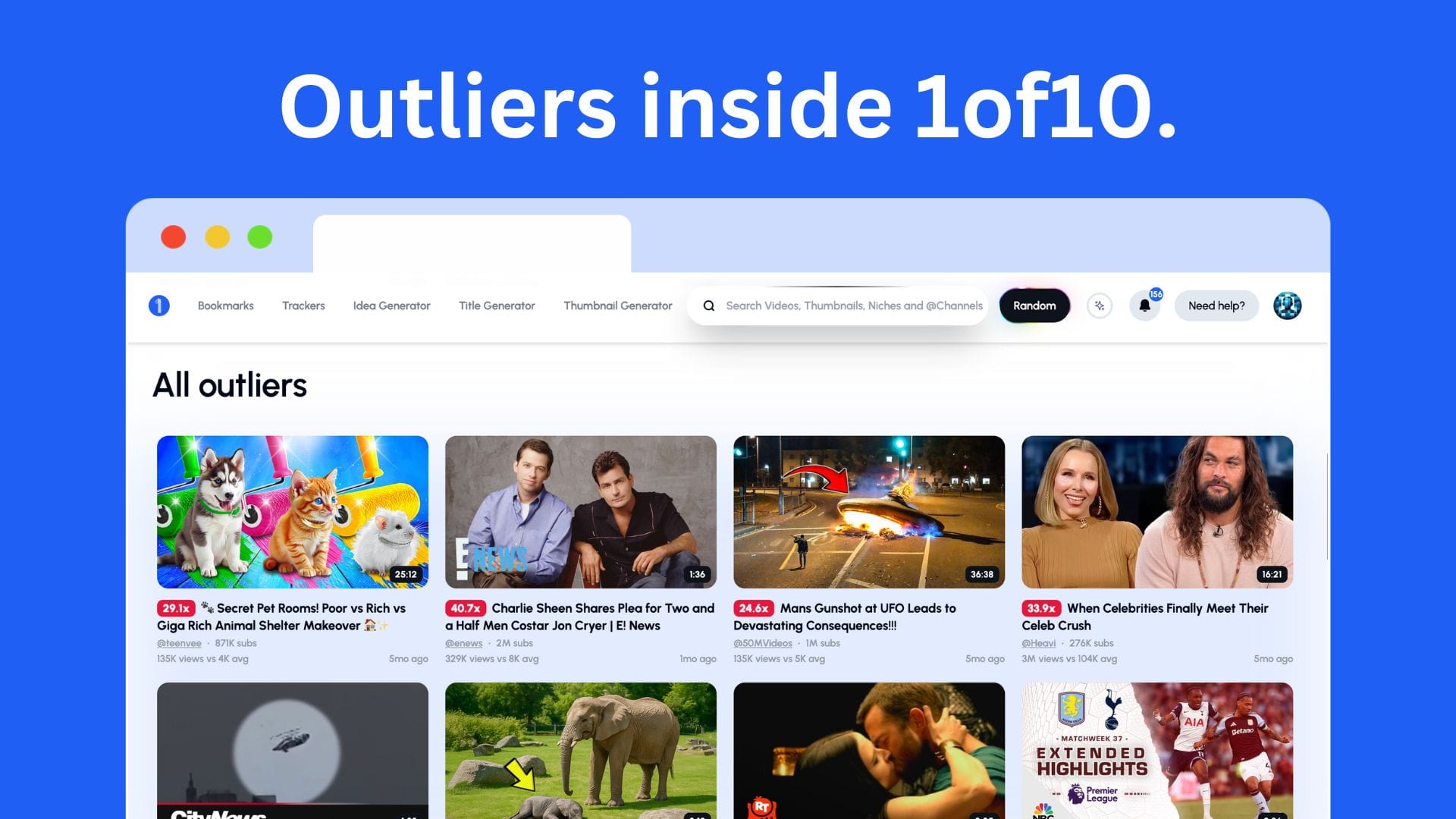
That’s exactly what 1of10 was built for.
- Find Outliers: Discover what’s working in your niche right now.
- Generate Ideas: Turn trends into video concepts instantly.
- Craft Titles: Use AI to create emotionally resonant headlines.
- Design Thumbnails: Generate scroll-stopping visuals that match your story.
- Track Competitors: Learn from what’s performing without guessing.
1of10 gives you the complete loop, from insight to execution.
The algorithm is evolving, but creators who use data-backed intuition will always stay ahead.
If YouTube SEO is the science, 1of10 is the lab.
Final Thoughts: The Future Belongs to Smart Creators
The algorithm will keep changing, but the principles won’t.
Understand your audience, tell stories that matter, and use tools that give you an edge.
Whether you’re a beginner learning SEO or an established creator optimizing for growth, YouTube’s evolution is an opportunity, not a threat.
You don’t need to chase the system anymore.
You just need to learn how to speak its language.
Start now.
Try 1of10 for Free