
How to Start a YouTube Channel in 2025 (Step-by-Step Guide for Beginners)
1. Why YouTube in 2025?
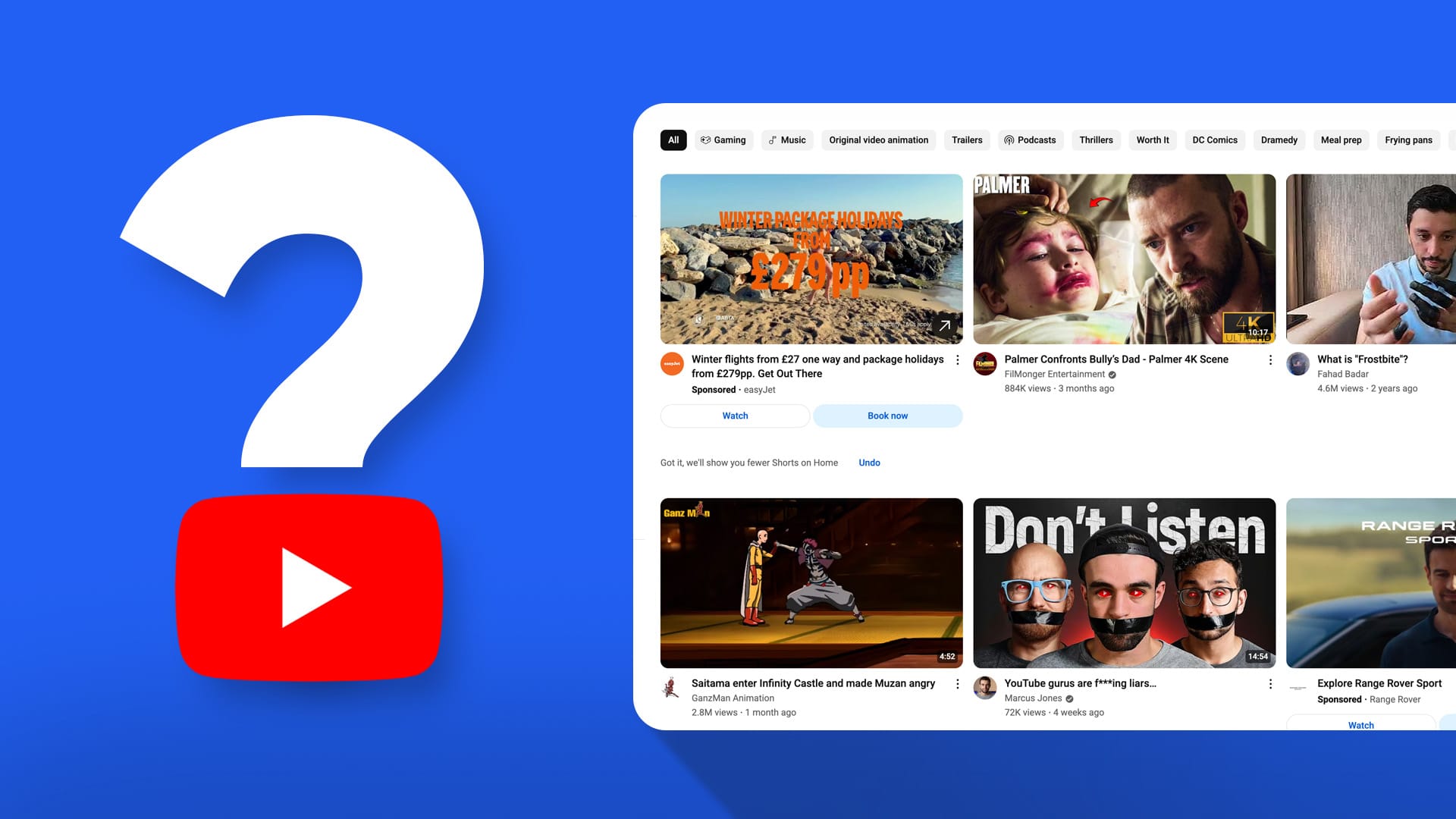
YouTube is the most powerful platform for creators in 2025, and the numbers back it up. More than 2.5 billion people use YouTube every month, watching over a billion hours of content daily. This reach makes it one of the only platforms where you can build a truly global audience.
But audience size is not the only reason to choose YouTube over TikTok, Instagram, or Facebook. YouTube offers unmatched monetization opportunities, long-term discoverability, and the highest average payout per million views of any platform.
1.1 Longevity of Content
Content lifespan is where YouTube truly shines. While TikTok and Instagram push quick, viral discovery, videos often fade after 24–72 hours. YouTube videos, however, can generate consistent traffic for years.
For example, a simple tutorial like “How to Tie a Tie” uploaded in 2010 still attracts millions of views annually. That same piece of content on TikTok would be irrelevant within days. This long-term discoverability is what allows YouTube creators to build sustainable careers.
1.2 Monetization Potential
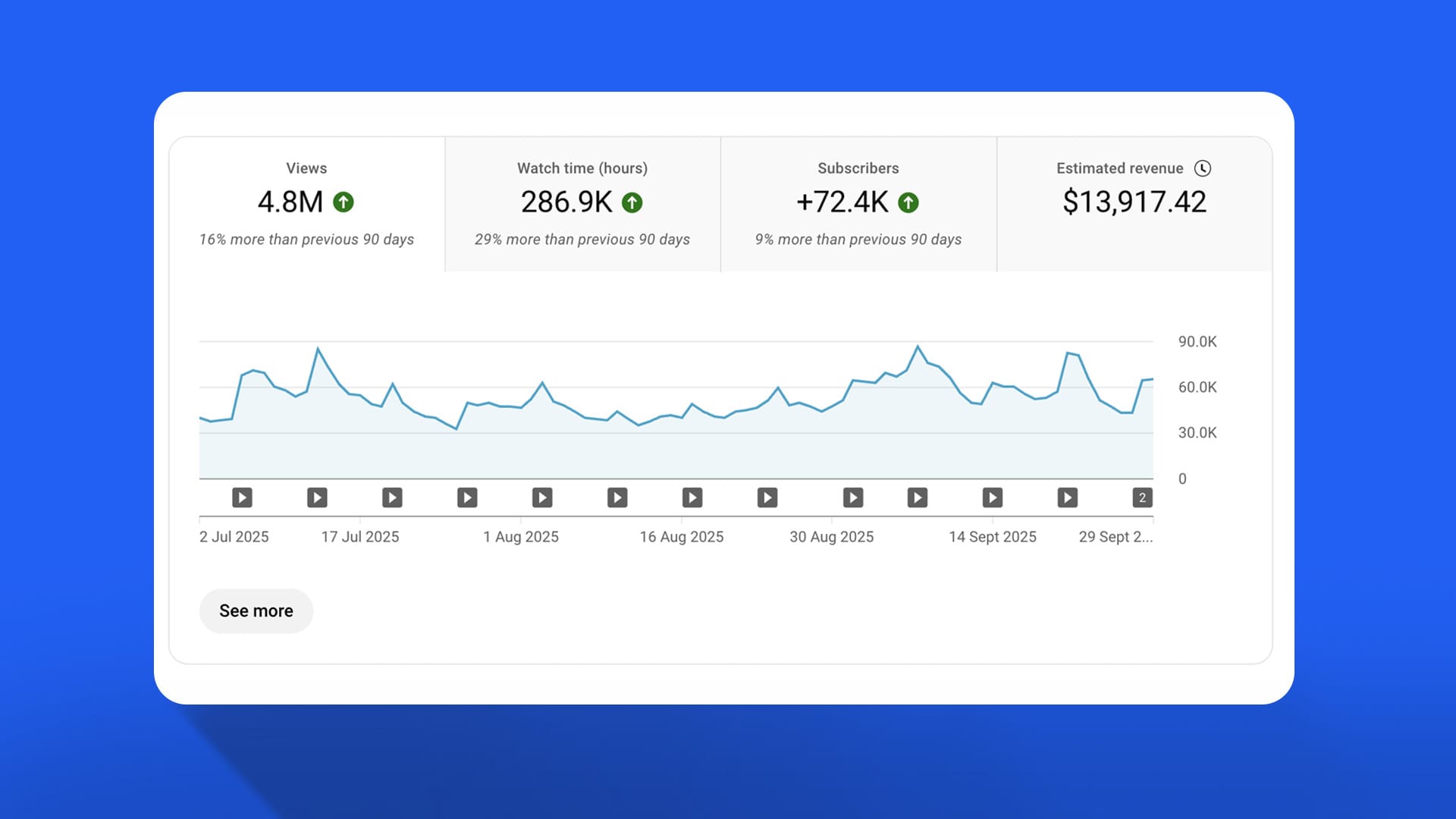
Creators on YouTube earn significantly more per million views than on other platforms. The exact amount depends on the niche and advertiser demand, but the gap is undeniable.
Here’s a breakdown of average CPM (cost per 1000 views) and estimated earnings per 1M views:
| Platform | Average CPM | Earnings per 1M Views | Content Lifespan |
|---|---|---|---|
| YouTube | $2–$15 | $2,000–$15,000 | Years |
| TikTok | $0.20–$3 | $200–$3,000 | 1–3 days |
| $0.50–$4 | $500–$4,000 | 1–2 days |
On YouTube, a finance channel with a $12 CPM could earn $12,000 for 1 million views. That same audience on TikTok might bring in only $500. The difference is massive.
1.3 Multiple Income Streams
YouTube also allows you to stack multiple income streams: ad revenue, memberships, Super Chats, affiliate links, sponsorships, merchandise, and even selling digital products. By comparison, TikTok and Instagram rely mostly on sponsorships, which makes income less predictable.
1.4 Search + Discovery Advantage
Unlike TikTok or Instagram, YouTube is both a search engine and a recommendation engine. People actively search for tutorials, reviews, and guides, while the recommendation algorithm pushes entertaining and trending content. This combination makes it the best platform for both evergreen and viral growth.
Summary: If you want long-term income, higher payouts, and content that continues to bring views for years, YouTube remains the best place to start in 2025.
2. Defining Your Purpose and Niche
Choosing your niche is one of the most important decisions when starting your channel. Without focus, your channel will confuse viewers and the algorithm. A clear niche helps you attract the right audience, rank in search results, and monetize faster.
2.1 Why a Niche Matters
Imagine you upload a gaming video one week, a cooking vlog the next, and a finance tutorial after that. Even if each video is good, your subscribers will not know what to expect, and YouTube’s algorithm will struggle to categorize your content. Focus is key.
When you stick to a specific niche, you position yourself as an authority. Audiences subscribe because they know exactly what they’ll get, and the algorithm understands how to recommend your videos.
2.2 How to Choose the Right Niche
To pick a profitable and sustainable niche, evaluate three factors:
- Passion: Can you make 100+ videos on this topic without losing interest?
- Demand: Are people actively searching for this content on YouTube?
- Profitability: Will advertisers pay to reach this audience?
2.3 Profitable Niches in 2025
Here’s a look at some of the top-performing niches and their earning potential:
| Niche | Estimated CPM Range | Notes on Monetization |
|---|---|---|
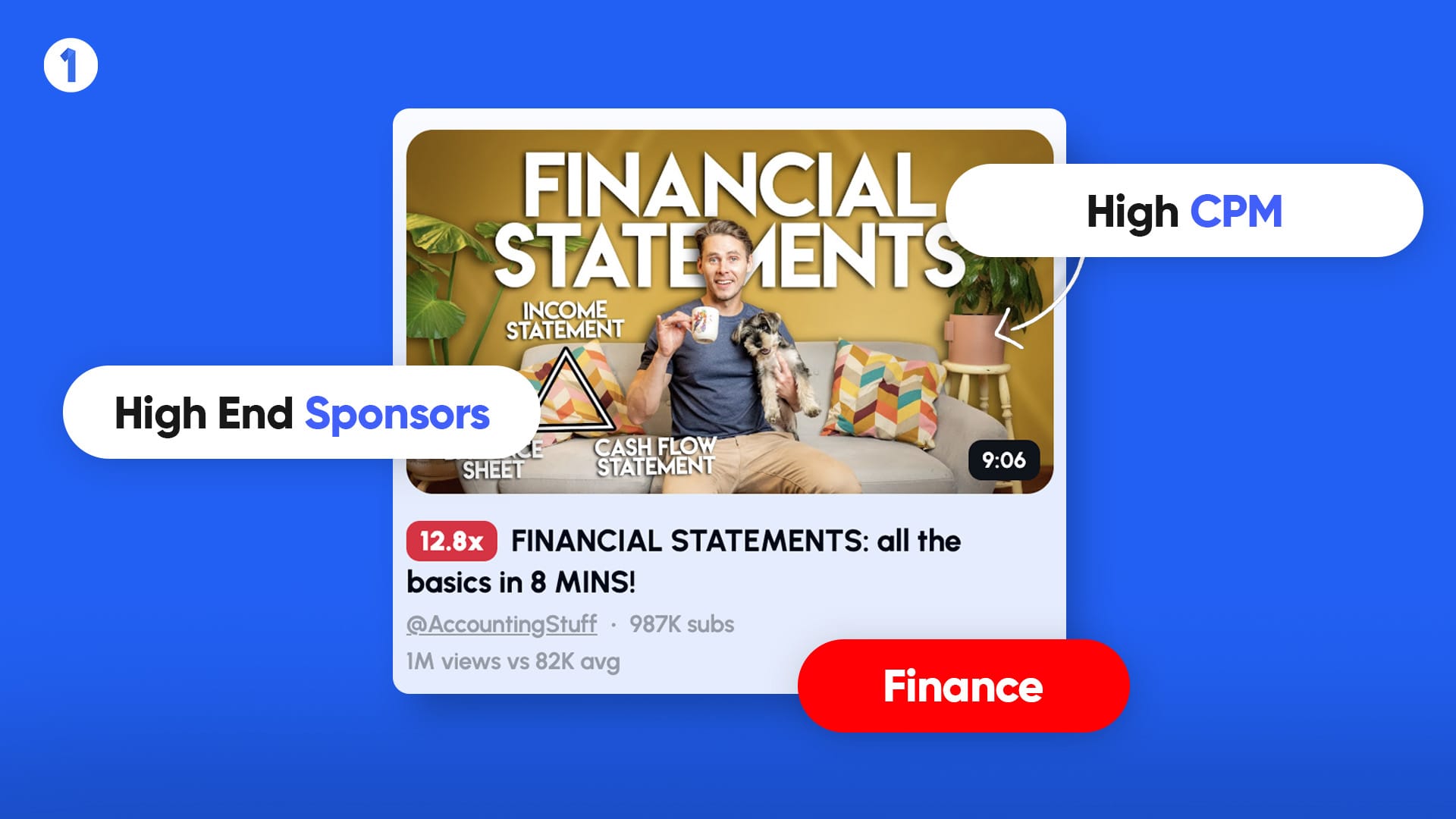
| Personal Finance | $10–$20 | Highest CPM, banks and fintech companies pay top dollar for ads. |
| Tech Reviews | $7–$15 | Strong demand, especially around product launches. |
| Online Education | $8–$12 | Consistent evergreen demand, high-value audience. |
| Health & Fitness | $5–$10 | Good ad rates, plus huge opportunities in sponsorships and coaching. |
| Gaming & Esports | $2–$6 | Lower CPM, but strong sponsorships and merch opportunities. |
| Lifestyle & Vlogs | $2–$5 | Harder to monetize with ads, but good for personal brands and merch. |
Example: A finance creator with 100,000 monthly views could earn more than a lifestyle vlogger with 1,000,000 views, simply because advertisers pay more in that niche.
2.4 Testing Your Niche
Before you commit, write down 20–30 video ideas in your niche. If you struggle, your niche may be too narrow. If you can easily fill the list, you’re in a good place.
Tools like 1of10’s Idea Generator simplify this process by analyzing your competitors and surfacing trending topics and outlier videos that are already performing well. This ensures your ideas are not only abundant but also data-driven.
3. Setting Up Your Channel Step-by-Step
Once you know your niche, it’s time to set up your channel correctly. Many creators rush this process, but the way you configure your channel impacts both discoverability and brand perception.
3.1 Creating Your Channel
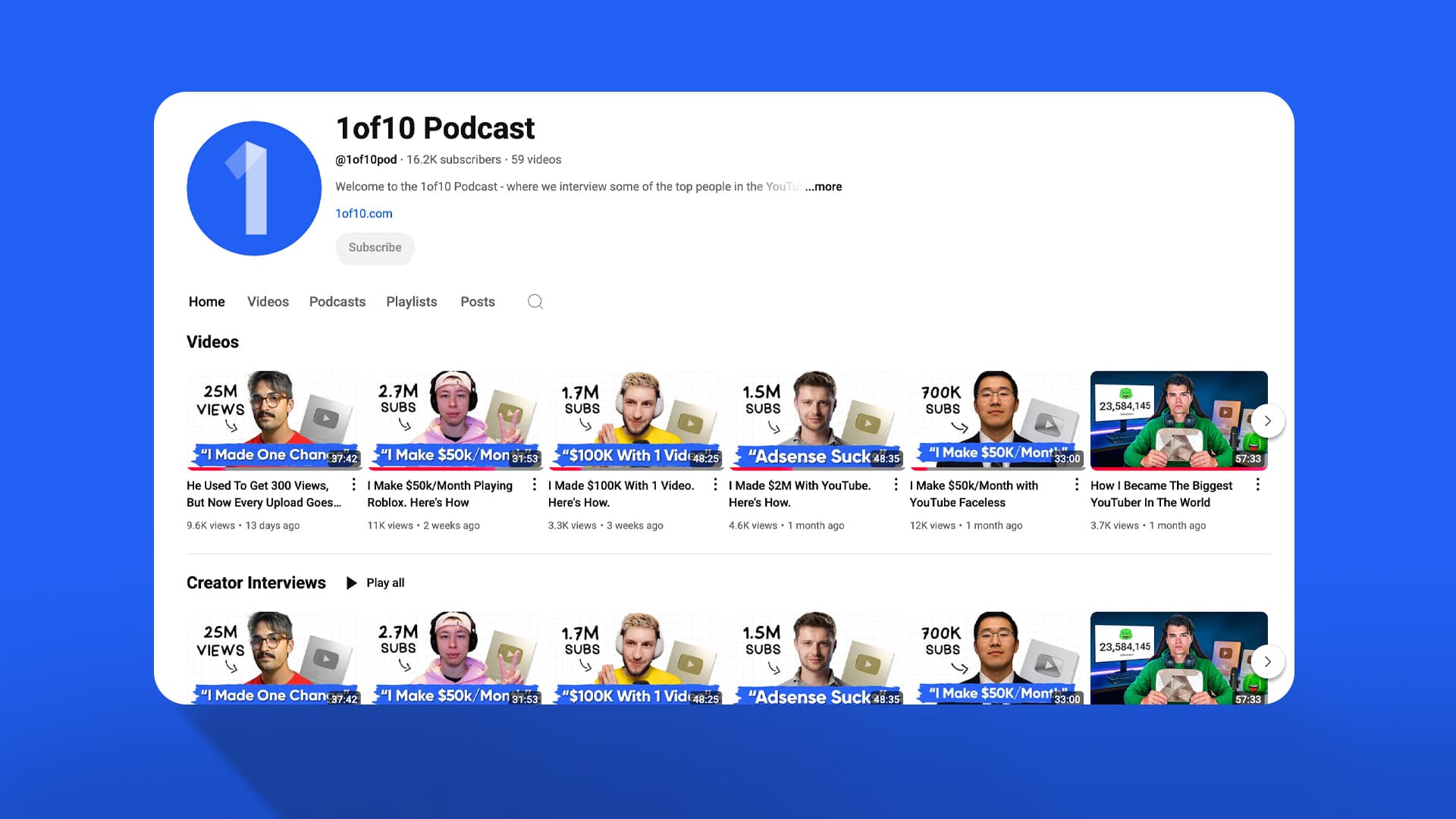
To start, sign in with a Google account and go to YouTube. Click your profile picture and select Create Channel. You’ll be asked to choose a channel name. Keep it simple, memorable, and relevant to your niche. If you’re building a personal brand, your own name works. If not, pick something descriptive but not limiting, such as “Smart Finance Tips” instead of “Finance in 2025.”
3.2 Profile Picture and Banner
Your profile picture should be clear and recognizable. For personal brands, a headshot works best. For companies or themed channels, use a simple, bold logo.
The banner is often overlooked but plays a huge role in first impressions. The recommended size is 2560 x 1440 pixels. Use this space to immediately communicate your value. Add text like “Weekly Tutorials on YouTube Growth” or “New Fitness Tips Every Monday.” Consistency in design and color palette helps build brand recognition.
3.3 About Section
Your “About” section is your elevator pitch. The first line should include your target keyword and explain what your channel is about. Then, outline the value viewers will get, and finish with a call-to-action to subscribe.
Example structure:
- Hook: “Want to grow your channel in 2025?”
- Value: “On this channel, I share weekly tutorials on YouTube titles, thumbnails, and algorithm strategies.”
- Call-to-Action: “Subscribe so you never miss a video.”
3.4 Links and Contact
Add links to your website, socials, or affiliate products. This is one of the easiest ways to start monetizing even before you qualify for ads. If you are open to sponsorships, include a business email so brands can contact you.
3.5 Channel Trailer
Your channel trailer is a 1–2 minute video that auto-plays for new visitors. Keep it short, engaging, and focused on value. Introduce yourself, explain what content you create, and ask viewers to subscribe.
3.6 Playlists
Group your videos into playlists as soon as you start uploading. Playlists encourage binge-watching, which improves watch time and signals to YouTube that your content is worth recommending.
4. Branding Your Channel for Growth
Branding makes your channel instantly recognizable. It’s what makes someone click on your video over another in the sidebar.
4.1 The Importance of Branding
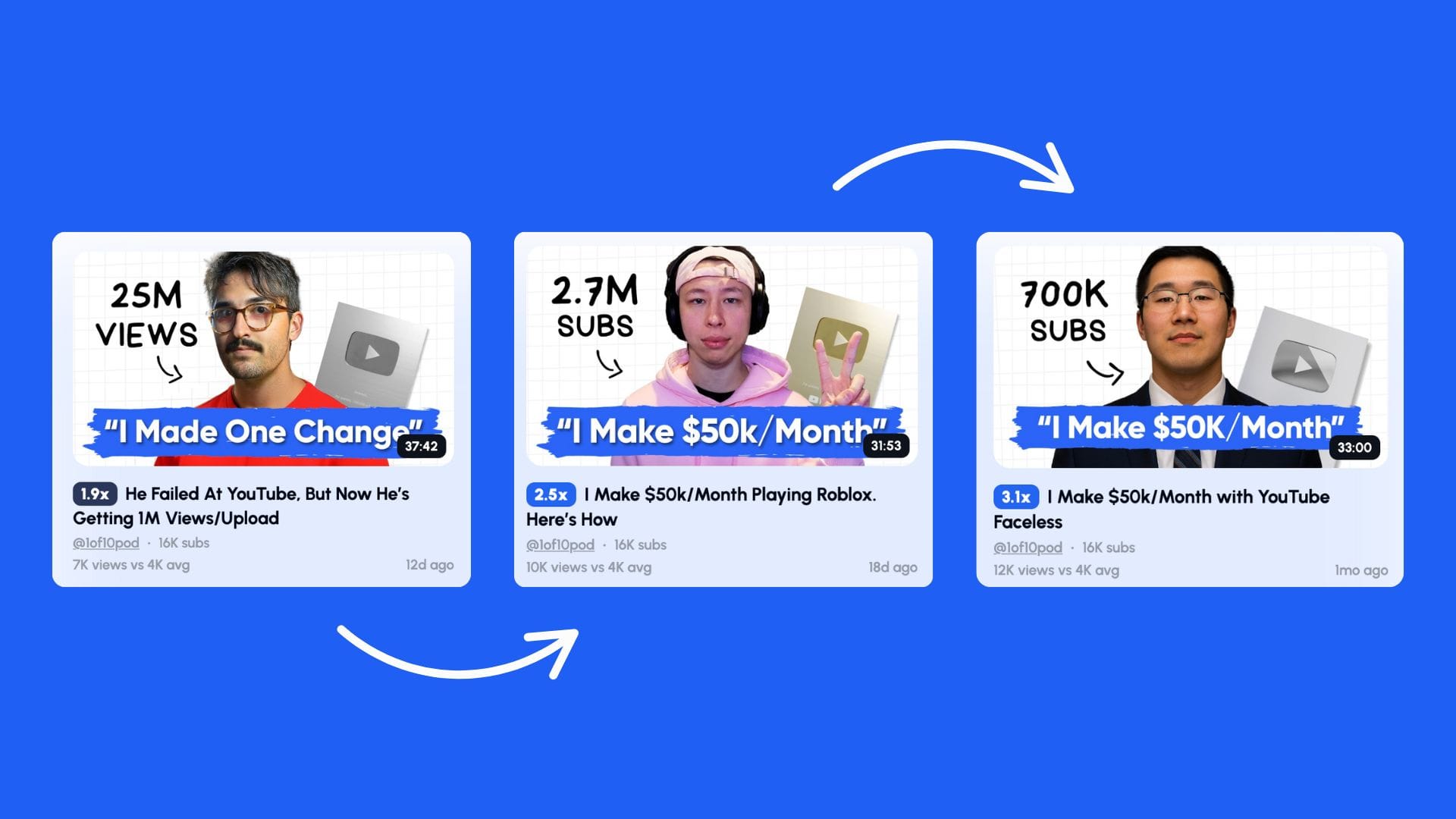
Studies show that YouTube viewers decide in less than two seconds whether to click on a video. Thumbnails, titles, and channel branding play a massive role in that decision. Strong, consistent branding increases your click-through rate (CTR) and builds trust with your audience.
4.2 Visual Branding
Visuals create identity. Choose two or three brand colors and use them consistently across thumbnails, banners, and overlays. Pick bold, legible fonts for thumbnail text and stick to them. Avoid clutter — simplicity performs best.
4.3 Thumbnail Design
Your thumbnail is your most important asset for attracting clicks. High-contrast colors, strong faces or emotions, and minimal text are proven to work. Keep text under five words so it remains readable on mobile.
Examples of effective thumbnail branding:
- MrBeast uses bright colors and exaggerated faces.
- Marques Brownlee uses sleek, tech-focused visuals.
- Ali Abdaal keeps a clean, minimal, and professional style.
You don’t need to copy these, but you do need to be consistent. Every thumbnail should feel like part of the same brand.
4.4 Tone and Personality
Branding isn’t just visuals — it’s also the way you speak and present. Decide early on whether your channel will feel casual, professional, humorous, or motivational. For example, a finance creator should sound trustworthy and calm, while an entertainment channel should be high-energy and fun.
4.5 Branding Checklist
- Professional profile picture.
- Banner that communicates value.
- Keyword-rich About section.
- Clear, consistent thumbnail style.
- Defined voice and personality.
- Playlists organized by topic.
Pro Tip: Use 1of10’s Thumbnail Generator to test different styles until you find what works best with your audience. Once you have a winning formula, stick to it.
5. Must-Have Equipment for Beginners
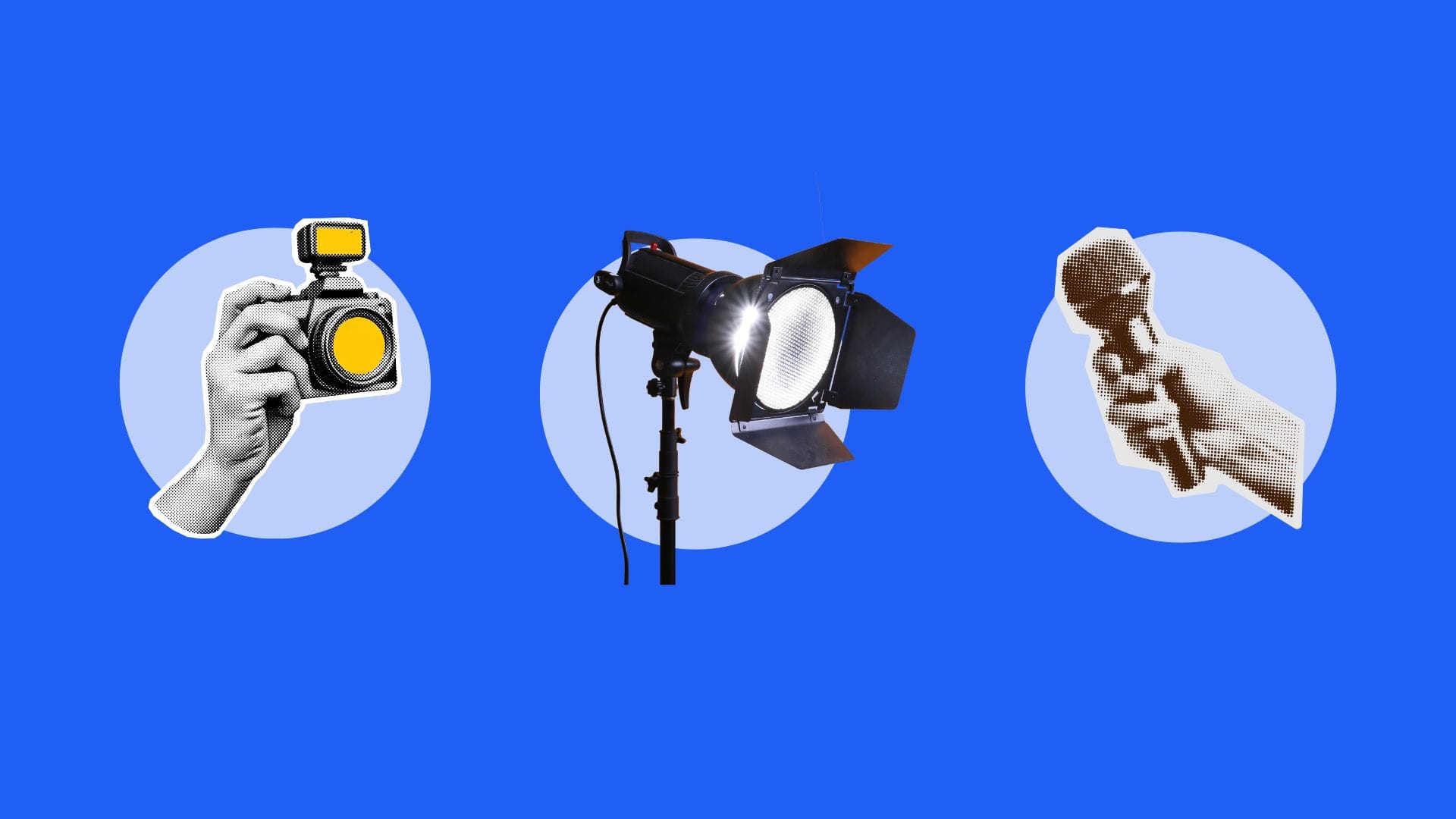
One of the most common fears new creators have is that they cannot start a YouTube channel without expensive cameras, microphones, or editing software. The truth is the opposite. Almost every major creator started with the bare minimum. Marques Brownlee, better known as MKBHD, filmed his first videos on a webcam in his bedroom. Casey Neistat began with simple gear and focused more on storytelling than production.
The order of importance is clear: first focus on audio quality, then lighting, and finally on video resolution. If your audience cannot hear you clearly, they will click away regardless of how sharp your video looks.
For beginners who want to start immediately without spending much, a modern smartphone is more than enough. Most phones today record in 1080p or even 4K, which is higher resolution than many popular YouTubers used when they were starting out. Pair your phone with a $20 clip-on lavalier microphone and a $30 ring light, and you already have a professional-looking setup that can carry you through your first year of uploads. Free editing tools like DaVinci Resolve or iMovie give you everything you need to cut your video, add music, and export in high quality.
When you are ready to invest a little more, a mid-range setup opens more doors. Cameras like the Canon M50 Mark II or the Sony ZV-E10 are designed for creators and offer excellent image quality while staying affordable. A shotgun microphone like the Rode VideoMicro drastically improves sound, and an LED panel or softbox brings a polished look to your lighting. At this stage, many creators also switch to professional editing software like Final Cut Pro or Adobe Premiere Pro, which offer more flexibility and advanced effects.
For those who want to go all in, a professional setup delivers cinematic quality. Cameras such as the Sony A7IV or Canon R6 combined with a high-end microphone like the Rode NTG4 or the Shure SM7B create content that looks and sounds like television. A proper three-point lighting kit ensures your videos look sharp regardless of the environment, and premium tools like Epidemic Sound or Artlist allow you to add royalty-free music that enhances production value.
The important takeaway is that you should not delay starting your channel until you own professional gear. Begin with what you have, create consistently, and upgrade as your channel grows. Audiences care far more about clarity, personality, and value than they do about whether your videos were filmed with a $200 camera or a $2000 one.
6. Content Strategy for Beginners
Uploading random videos is one of the fastest ways to get stuck in obscurity. Without a strategy, you will confuse both your audience and the algorithm. A strong content strategy ensures you know exactly what kind of videos you are producing, how they serve your niche, and how they fit into your long-term channel growth.
The first pillar of your strategy should be educational content. Tutorials, how-to guides, and explainer videos consistently perform well on YouTube because people come to the platform to solve problems. A video like “How to Fix Common Audio Problems in Premiere Pro” will not only attract beginners searching for solutions but also rank for years as an evergreen resource.
The second pillar is entertainment. Even in serious niches, viewers appreciate content that entertains them while teaching. Reaction videos, challenges, or commentary bring a personal, relatable element to your channel. For example, a fitness creator might upload tutorials on exercises but also react to viral gym trends for a balance of education and fun.
The third component is evergreen content. These are videos that will remain relevant long after they are uploaded. A tutorial on “How to Set Up a YouTube Channel” can still generate thousands of views years later. Evergreen videos form the foundation of your channel and bring in long-term traffic, even while you sleep.
Finally, you should not ignore trending content. These videos allow you to tap into what is currently hot in your niche. If a new gadget is released, a tech channel that uploads a quick reaction review can capture immediate traffic. The key is to balance evergreen and trending content so you have both short-term spikes and long-term stability.
A useful rule of thumb is the 40/40/20 approach. Dedicate 40% of your content to evergreen, search-friendly topics, another 40% to trend-based commentary, and the remaining 20% to experimental or personal videos. This formula ensures steady growth while giving you room to test what resonates.
If you struggle with ideas, tools like 1of10’s Idea Generator can instantly generate dozens of relevant video ideas based on your niche and competitors. This prevents creative blocks and keeps your upload schedule consistent.
7. Uploading and SEO Optimization
Uploading a video is simple, but optimizing it for search and recommendations is what separates successful creators from those who never get traction. YouTube is the second-largest search engine in the world. If your videos are not optimized, you are invisible.
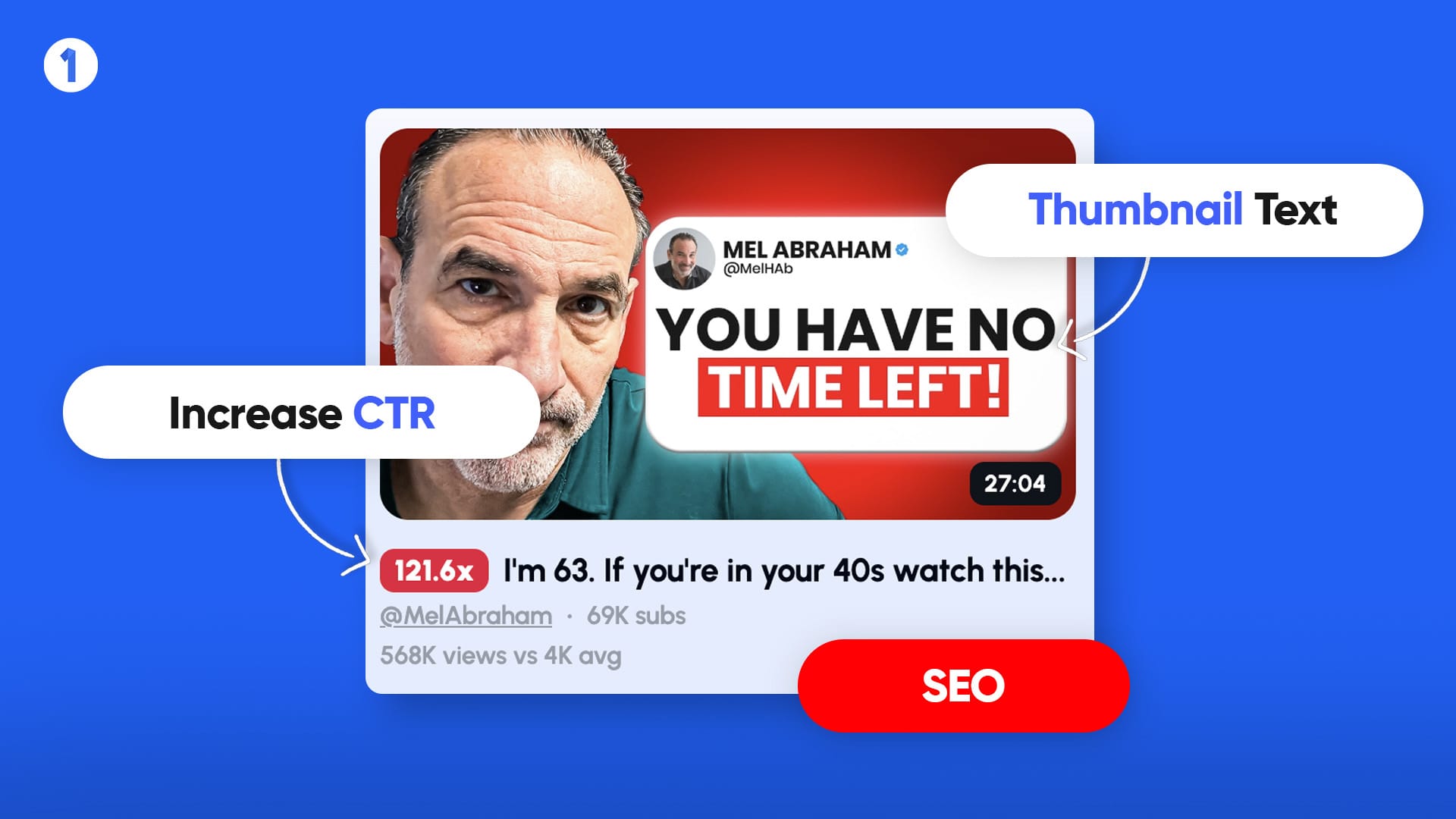
The most important factor is the title. A weak title like “Workout Tips” will disappear in a sea of competition. A strong, keyword-rich title such as “10-Minute Home Workout for Beginners (No Equipment)” not only tells the algorithm exactly what the video is about but also entices the viewer to click. Creating titles that balance clarity and curiosity is an art. Tools like 1of10’s Title Generator give you multiple optimized variations so you can pick the one with the highest chance of success.
The description is equally important. The first two sentences should include your target keyword because that text is what appears in search previews. Below that, write a short summary of the video, add timestamps for chapters, and include links to related resources such as your website, affiliate products, or social media. A well-written description improves both search rankings and viewer engagement.
Tags have less influence than they once did, but they are still worth including. Use variations of your main keyword along with related phrases. For a video titled “How to Start a YouTube Channel in 2025,” useful tags might include “YouTube tutorial 2025,” “YouTube beginner guide,” and “create YouTube channel.”
Your thumbnail is your single most important asset for click-through rate. Humans are visual, and viewers decide in two seconds whether to click. Use bright colors, strong contrast, and minimal text (ideally under five words). A clear face showing emotion performs well in most niches. Instead of guessing, use 1of10’s Thumbnail Generator to create and test multiple options so you always publish with the strongest design.
Playlists and end screens extend watch time, which the algorithm loves. Group related videos into playlists, and always use end screens to push viewers toward another video on your channel. Subtitles and captions also matter. They not only make your videos accessible but also give YouTube more text data to understand your content.
8. The YouTube Algorithm in 2025
Many new creators think the algorithm is random, but it has one simple goal: to keep viewers on YouTube for as long as possible. If your video contributes to that goal, it will be promoted.
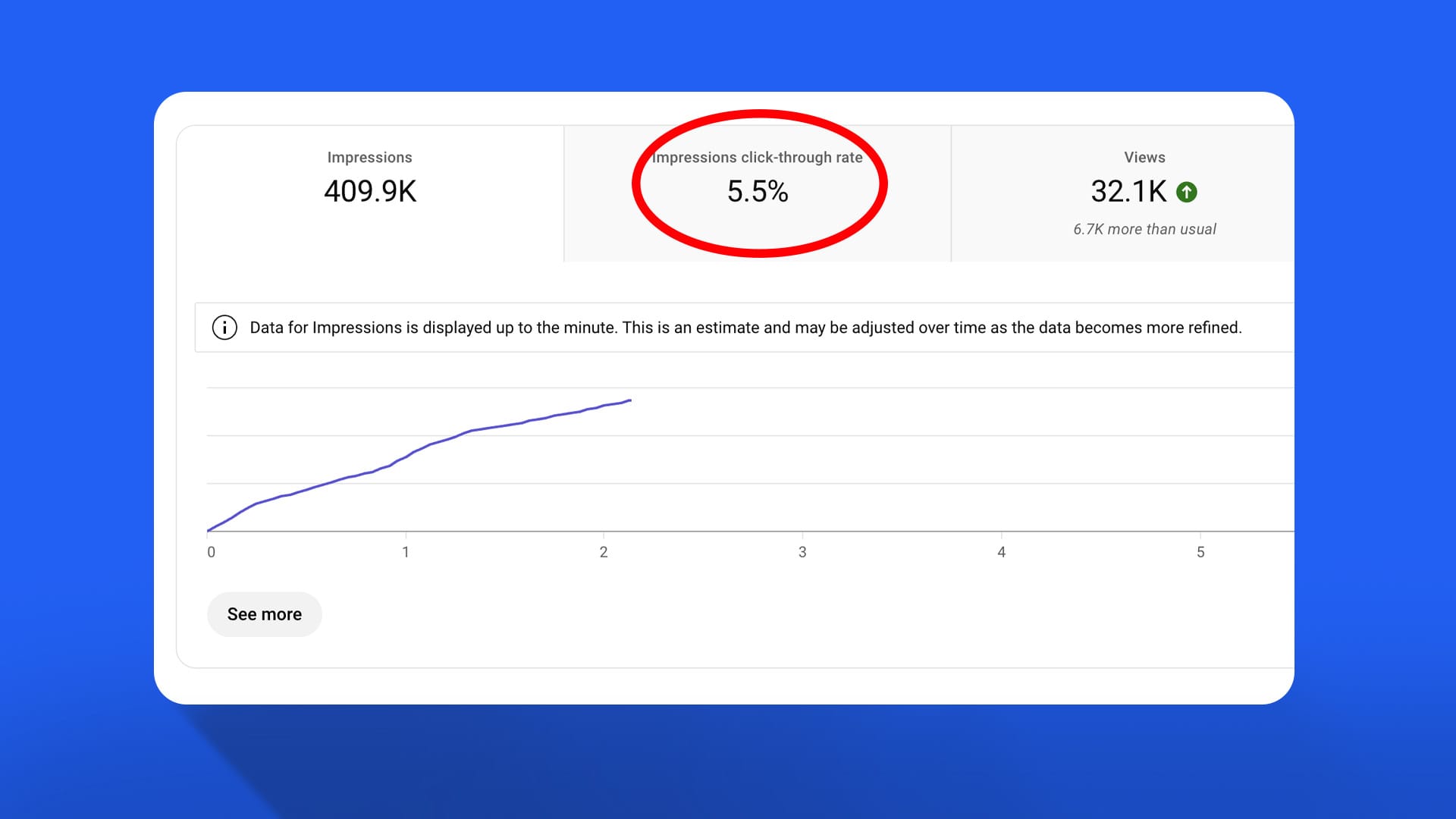
The first major signal is click-through rate (CTR). This measures how often people click your video when it is shown in recommendations or search results. A CTR below 3% usually means your title or thumbnail is weak. A CTR above 8% is strong.
The second factor is watch time. YouTube does not want clicks that bounce away immediately. If people spend five minutes watching your video instead of ten seconds, the algorithm pushes your content to more viewers.
Closely related is average view duration. This is shown in your analytics as a retention curve. A steep drop in the first 30 seconds tells you your intro is weak. Improving that hook can double or triple your performance.
The third metric is session time. If someone watches your video and then continues to watch other videos on YouTube, you are rewarded because you kept them on the platform.
Finally, engagement signals like likes, comments, shares, and subscriptions show the algorithm that viewers value your content.
The algorithm is not about uploading daily or tricking the system. It is about packaging (titles and thumbnails) to get clicks and retention (content quality) to keep viewers watching. When you nail those two factors, growth is inevitable.
9. Promoting Your Channel
Relying only on the algorithm is a mistake. Smart creators actively promote their videos to speed up growth.

One of the best free strategies is to participate in niche communities. Posting helpful tutorials on Reddit, joining Discord servers, or answering questions in Facebook groups with a link to your video drives targeted traffic. Repurposing your content across platforms also works well. A long-form YouTube video can be clipped into 30-second highlights for TikTok, Instagram Reels, and YouTube Shorts. Each clip acts as a funnel leading viewers back to your main channel.
Collaborations with other small creators in your niche are another free but powerful method. Two channels with 5,000 subscribers each can introduce one another to fresh audiences and accelerate growth.
For paid promotion, YouTube Ads let you target specific keywords. If your video is “How to Start a YouTube Channel,” you can run ads targeting that exact phrase, ensuring your tutorial appears in front of motivated beginners. Another paid tactic is to boost your best-performing video with a small budget, such as $5 per day. This initial push can trigger the algorithm to recommend the video more widely.
The smartest strategy is to combine organic promotion with small, targeted paid boosts. This creates consistent growth and helps you reach viewers who may never find you otherwise.
10. Monetization Opportunities
YouTube is unmatched when it comes to creator monetization. No other platform offers as many income streams.
The most well-known method is the YouTube Partner Program, which allows you to earn money from ads placed on your videos. To qualify, you need 1,000 subscribers and either 4,000 watch hours in the past 12 months or 10 million Shorts views in 90 days. Once approved, you earn between $2 and $15 per 1,000 views depending on your niche. Finance, technology, and education channels typically earn at the higher end, while entertainment and lifestyle earn less.
But ads are just the beginning. Channel memberships allow fans to pay a monthly fee for exclusive perks. Super Chats and Super Stickers give live stream viewers a way to pay for recognition during streams. You also earn a share of YouTube Premium revenue whenever Premium subscribers watch your videos.
Beyond YouTube’s built-in tools, external monetization opportunities are huge. Affiliate marketing allows you to link to products in your video descriptions and earn a commission on every sale. Sponsorships and brand deals can bring in hundreds or even thousands of dollars per video once you build an audience. Selling merchandise, courses, or digital products creates income streams fully under your control. Many creators in niches like finance or fitness make more money from selling their own products than from ads.
The bottom line is that YouTube pays significantly more than TikTok or Instagram. A million views on YouTube can earn between $2,000 and $15,000. The same million views on TikTok might generate only $200 to $1,000. This huge gap is why creators who start on TikTok often end up building their main business on YouTube.
Ready to start your YouTube channel? Use 1of10 to:
- Find outliers and spot winning trends in your niche
- Test thumbnails and see what drives the highest clicks
- Generate fresh thumbnails in seconds
- Come up with dozens of new video ideas
- Track competitors and big names in your space
- Create banger titles that grab attention
Stop guessing. Start building your channel with data. Get started with 1of10 today.