
DATA BACKED YouTube Video Ideas for Vloggers
You open YouTube, ready to film. But your brain? Completely blank.
You've scrolled through other vlogs for "inspiration" and now you're convinced your life is too boring. Making coffee isn't content. Walking to work isn't interesting. And talking to a camera still feels awkward and forced.
I get it. You want to upload consistently, but you're stuck between two problems: either you have zero ideas, or the ideas you have feel cringe, unsafe, or like they need a budget you don't have.
Here's the truth: you don't need a massive budget or an exciting life to make vlogs people actually watch. You just need the right angles, formats, and a few tested ideas you can start shooting today.
This guide gives you exactly that. Ready-to-film video ideas that work for normal people living normal lives. No fluff, no vague advice, just stuff you can copy right now.
1. “Day in the life of a [role]”
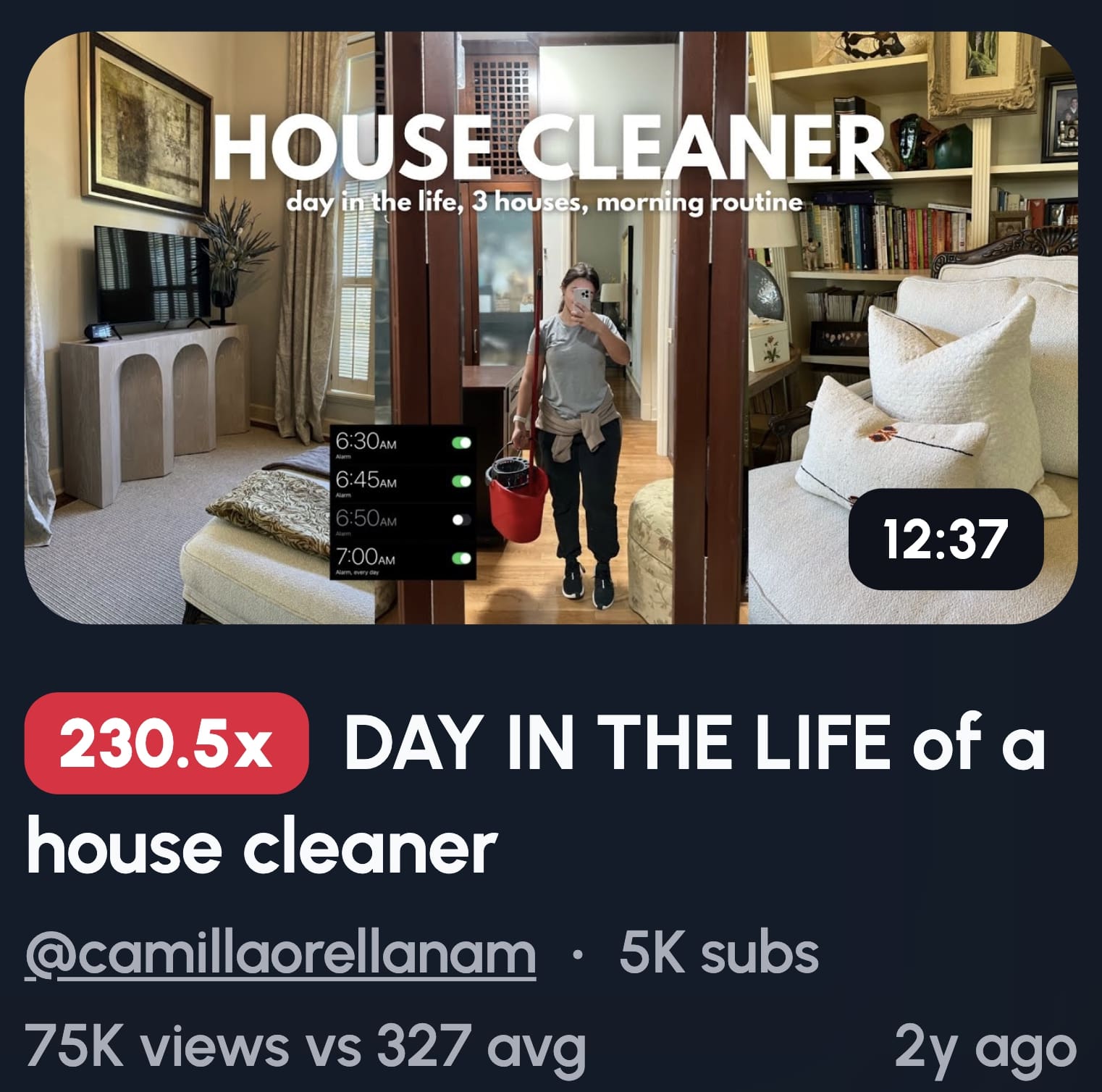
What this video is: You film your entire day from start to finish, showing what your job or routine actually looks like. No fancy editing, just real life with a camera.
Why it gets views: People are nosy about other people's jobs, money, and stress levels. These videos pull in search traffic because viewers constantly type "day in the life of a [job]" into YouTube.
How to make it work: Be specific in your title. "My day" gets ignored, but "Day in the life of a junior chef on £12/hour in London" gets clicks. Add timestamps on screen (5:12am alarm, 6:03 train, 9:17 first fire drill). Talk about how you feel, not just what you're doing. Say "I'm exhausted and my feet hurt, I still have 7 hours left" instead of staying silent.
Title examples:
- "Day in the life of a 19-year-old med student on night shift"
- "Day in the life of a broke uni student in London (£23 in my bank)"
2. "I tried [challenge] for 30 days"
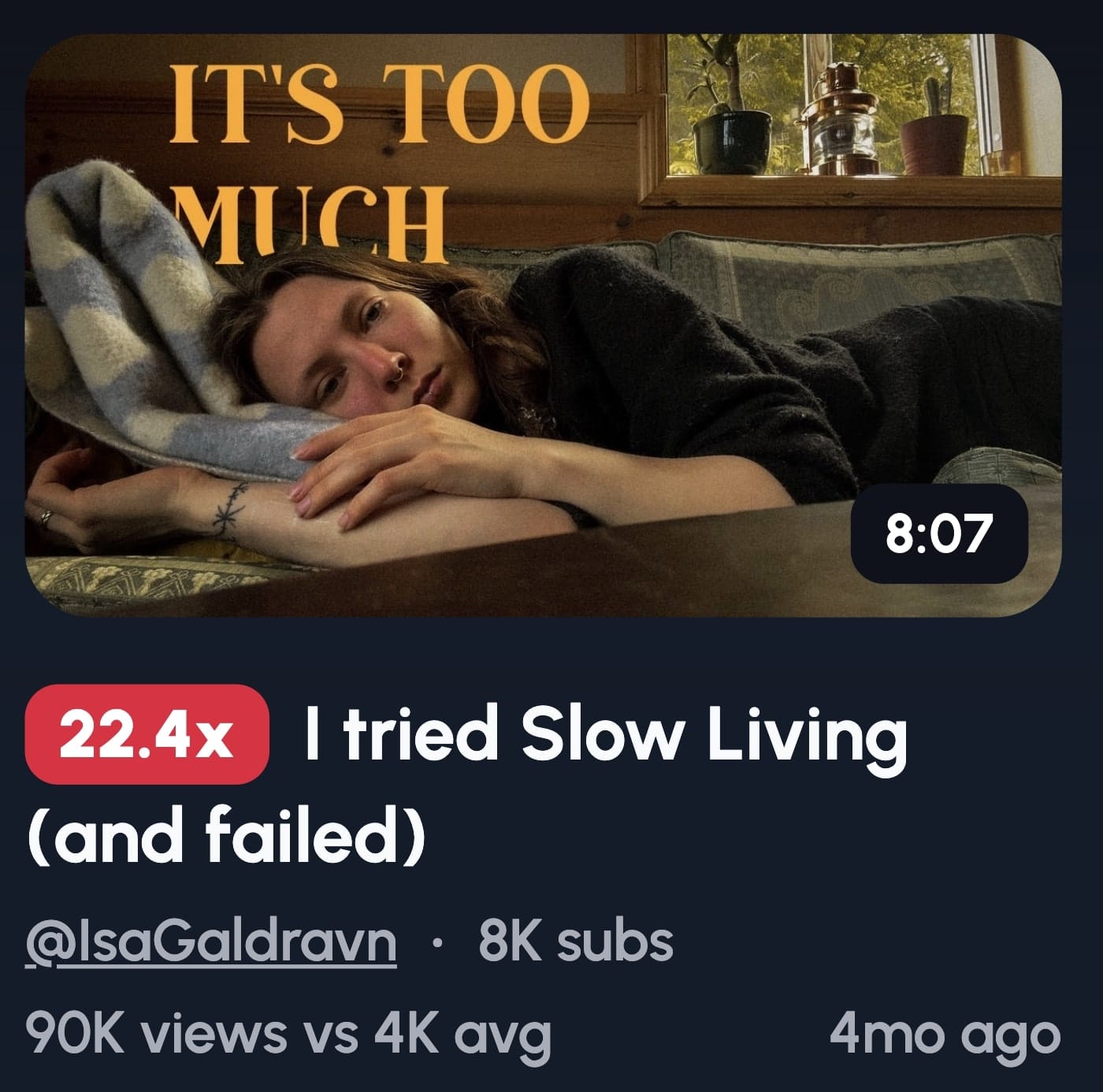
What this video is: You force yourself to do something difficult every single day for a month. Film the process, the breakdowns, and the results.
Why it gets views: Pain is addictive to watch. Viewers stay glued to see if you break or if the challenge actually changed you. They're rooting for you and judging their own willpower at the same time.
How to make it work: Show Day 1 vs Day 30 differences (energy, body, mood, confidence, money). Don't hide the ugly middle part. Admit when you nearly quit. The low point is your hook, not the success story. You don't need fancy editing for this. Just honesty and proof that you actually did it.
Title examples:
- "I tried waking up at 4am for 30 days (I hated it)"
- "I quit sugar for 30 days and this happened"
- "I lived on $5 a day for 30 days"
3. "I spent 24 hours doing ___"
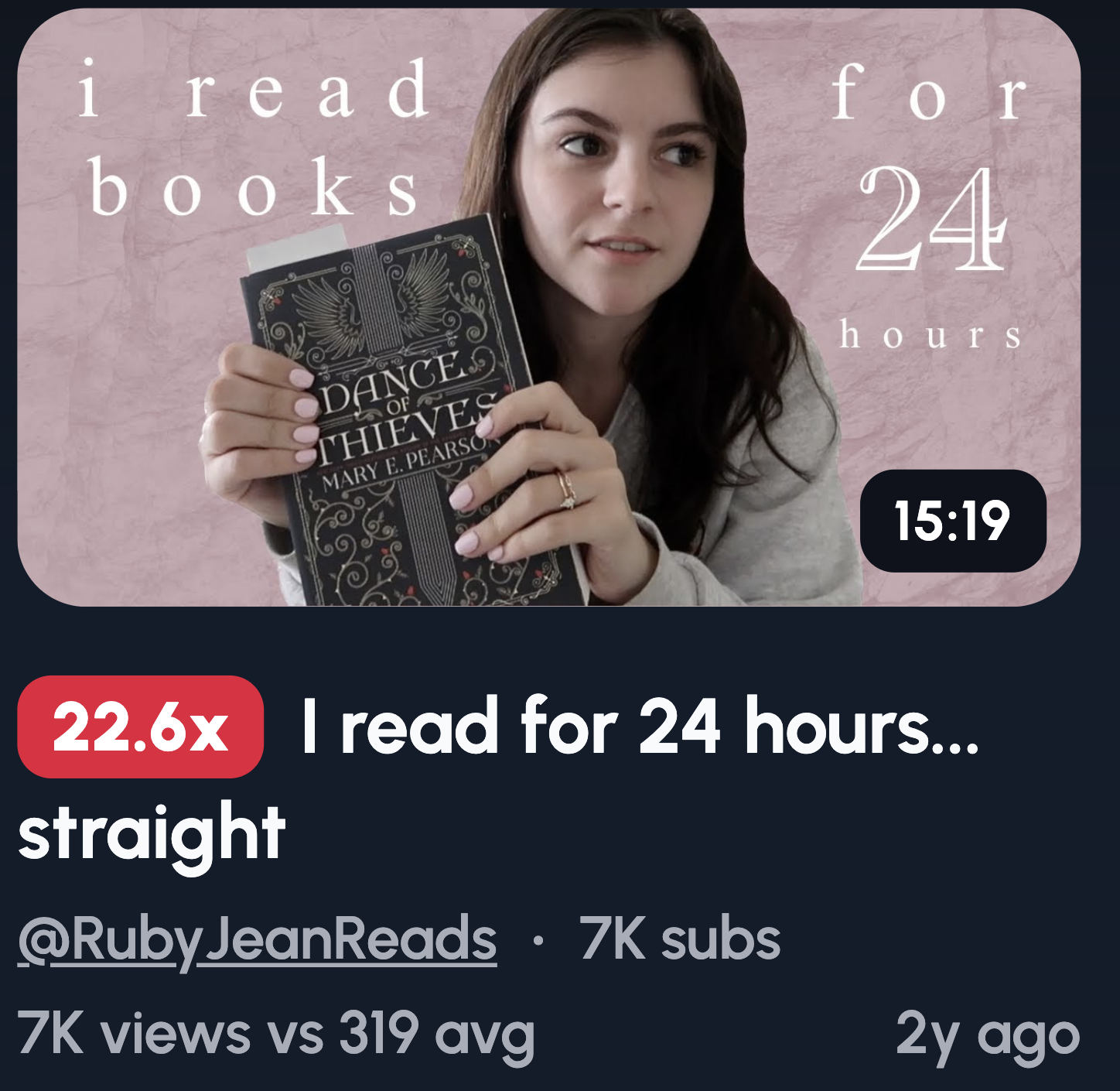
What this video is: An extreme one-day challenge with clear rules you have to follow. You film key moments throughout the 24 hours to show if you can actually survive it.
Why it gets views: Viewers understand the concept in one second. It builds natural suspense because they want to see if you break, quit, or actually make it to the end.
How to make it work: Set clear rules at the start so it feels real and not fake. Add a countdown clock or show "Hour 10 / Hour 22 / Hour 24" moments on screen. You're not filming your whole life here, you're filming one focused problem for one day.
Title examples:
- "I spent 24 hours with no phone"
- "I spent 24 hours living in my car"
- "I let my little sister control my life for 24 hours"
4. "My honest morning / night routine"
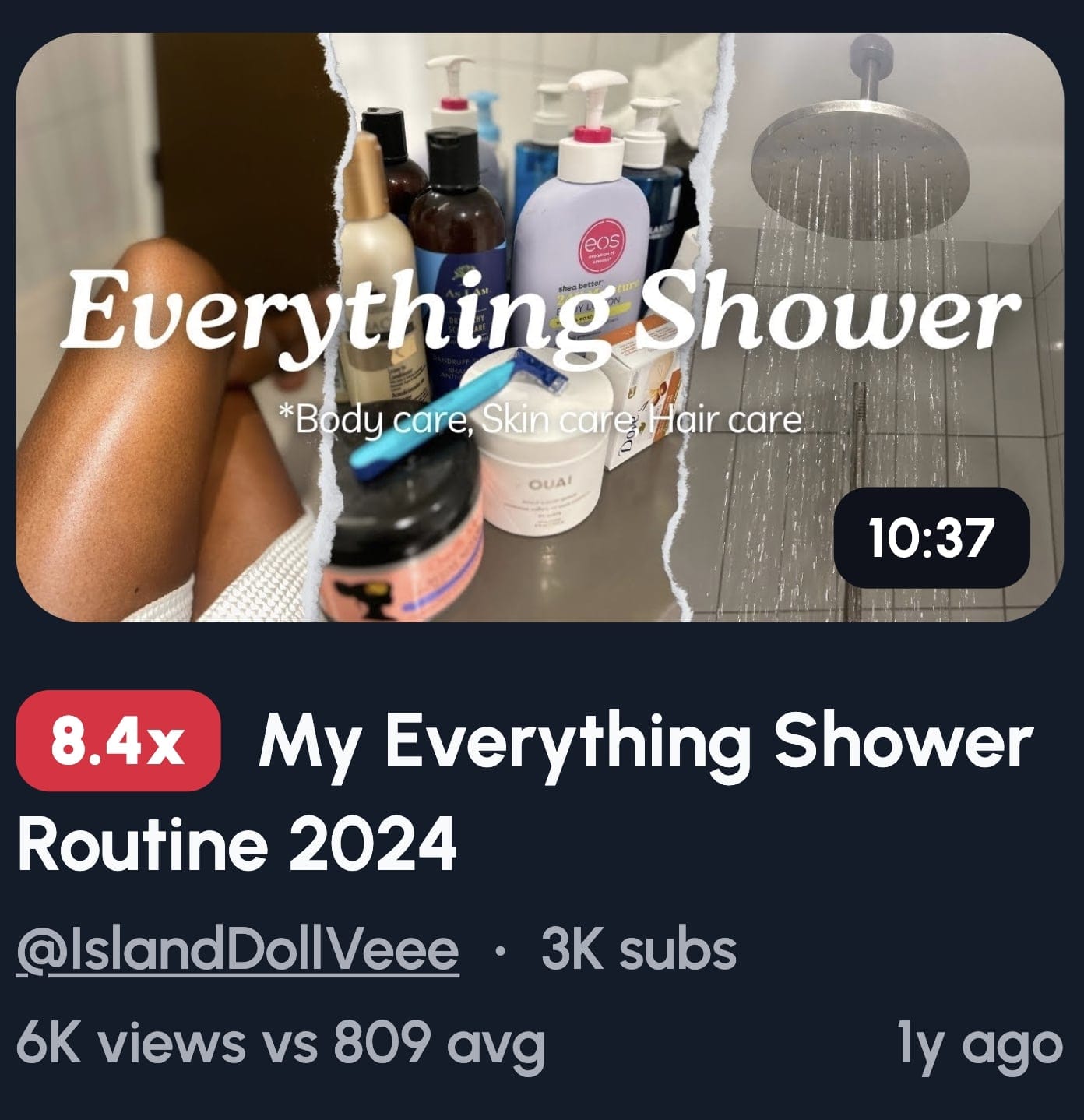
What this video is: A routine vlog without the fake perfect Instagram energy. You show what you actually do, not what looks good on camera.
Why it gets views: Routine videos always get search traffic. People type "morning routine" into YouTube daily. The word "realistic" or "honest" performs better than "aesthetic" now because viewers are tired of being lied to.
How to make it work: Call out the gap between what you're supposed to do vs what you actually do. Explain why you do each thing ("this stretch stops my back pain", "I skip breakfast because I'm never hungry"). The contrast between expectation and reality is your hook.
Title examples:
- "Realistic 5am winter morning routine (freelancer edition)"
- "My night routine after a 12-hour retail shift"
5. "What I spend in a week living in ____"
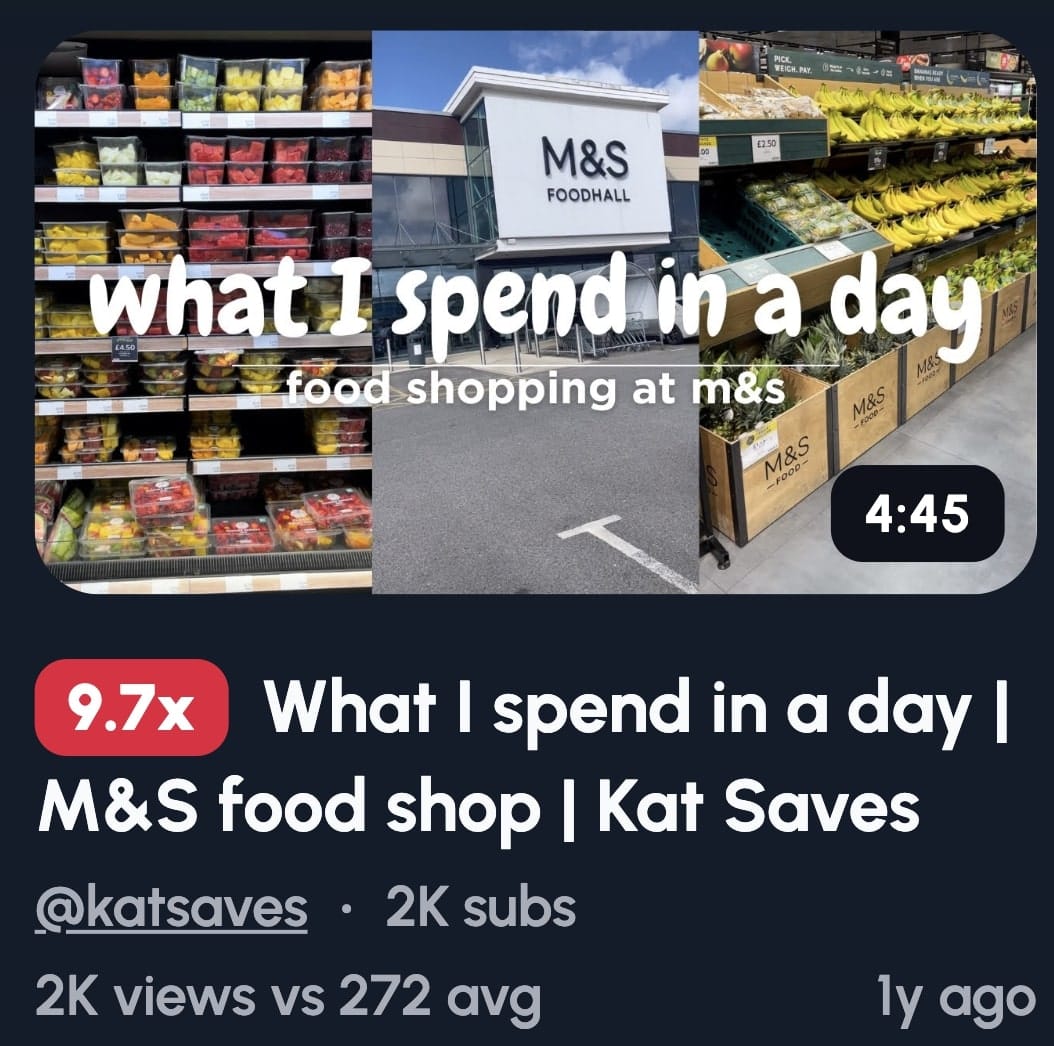
What this video is: You track every single penny you spend over seven days or however many days. Rent, food, transport, that random coffee you regret, all of it.
Why it gets views: Money voyeurism. People love comparing themselves to you. They want to know if they're spending too much, too little, or if you're secretly broke like them.
How to make it work: Put your blurred total cost in the thumbnail so they click immediately. Be brutally honest about dumb or emotional spending ("yes I panic-bought snacks at 1am, don't judge me"). Mention your situation in the title ("on $32k in New York" / "single mom" / "apprentice electrician") so the right people find you.
Title examples:
- "What I spend in a week living in London on £32k"
- "What I spend in a week as a single mom"
- "How much I spend in a week while paying off $50,000 debt"
6. "Why I quit / moved / broke up / dropped out"
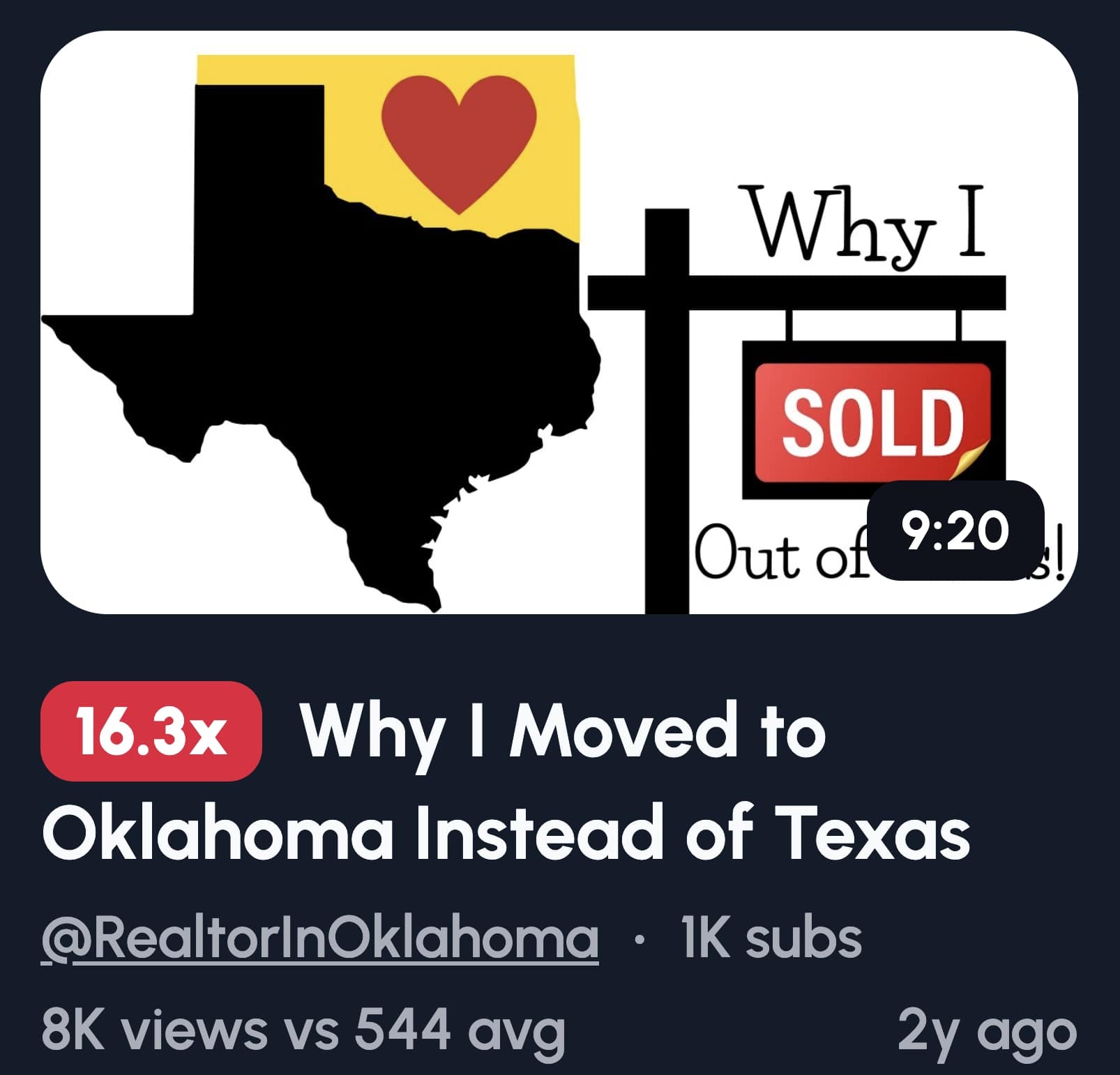
What this video is: A life pivot vlog where you explain a big decision you made. Job, relationship, city, degree, whatever changed your path.
Why it gets views: It's emotional, and people want to understand dramatic decisions. They're curious if they'd do the same thing. It builds a deeper bond with you because you're letting them in.
How to make it work: Structure it like: "The moment I knew or What everyone said or What happened after". Don't just rant into the camera. Show where you are now, even if it's messy. This isn't a polished PR statement, it's a confession.
Title examples:
- "Why I left my $260k job at 24"
- "Why I moved out of London"
- "Why I broke up after 7 years"
Push vulnerability here. Talk about the fear, the doubt, the relief. Let yourself be raw.
7. "Reset / glow up / fix my life with me"
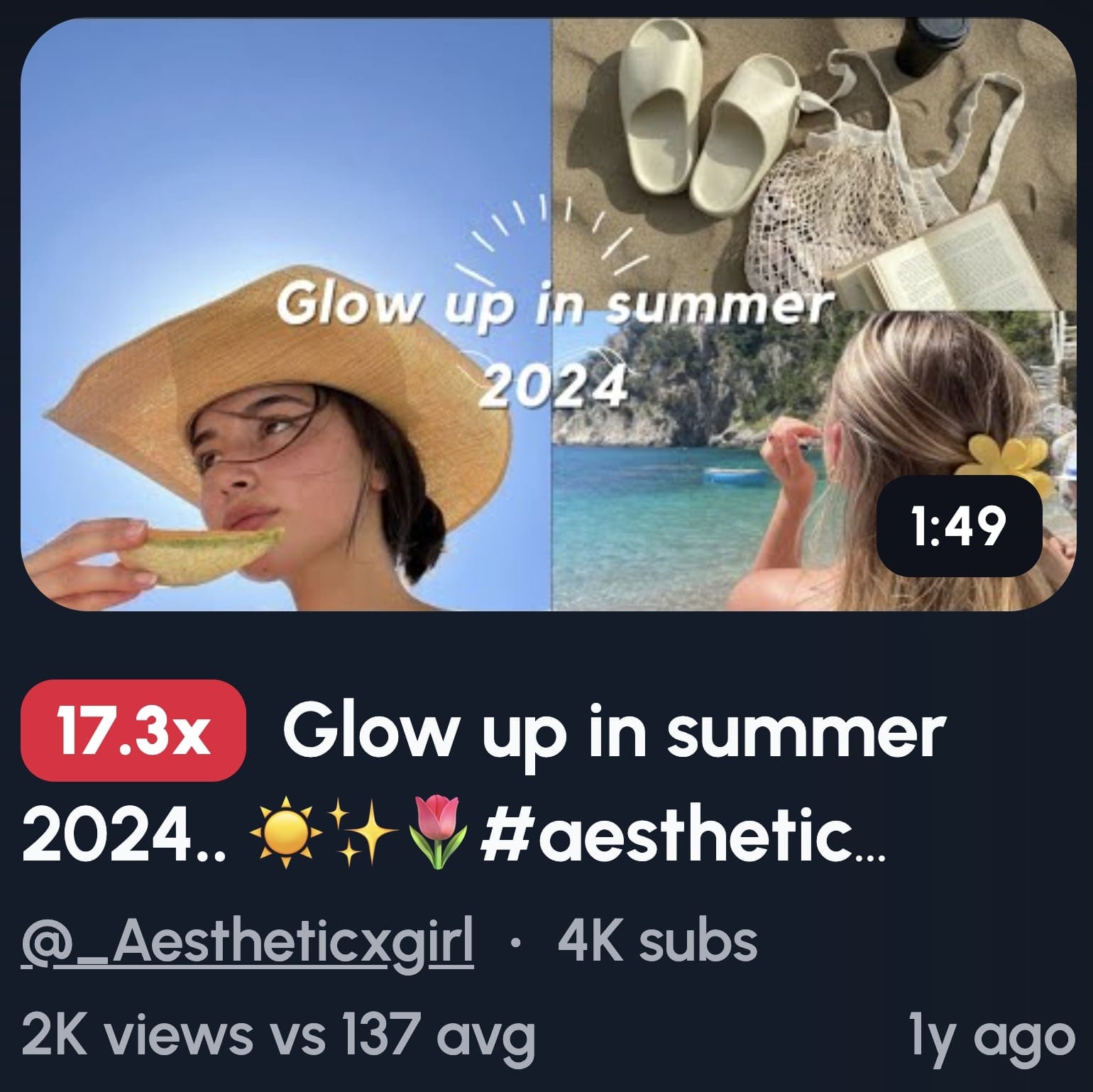
What this video is: You show yourself getting your life back together. Cleaning your room, prepping food, sorting your mental mess, whatever needs fixing that day.
Why it gets views: Viewers are stressed and want to feel in control too. Watching you tackle chaos makes them feel like they can do it. Satisfying before/after moments keep people glued to the screen.
How to make it work: Start messy. Show the laundry piles, disgusting fridge, unread emails. Don't hide the ugly start. Then show the cleanup process and talk to the viewer like "do this with me, let's sort it together". You're not lecturing, you're inviting them to reset alongside you.
Title examples:
- "Full Sunday reset: cleaning, meal prep, planning my week"
- "Full reset after burnout (mental + physical)"
8. "I let [person / followers] control my day"
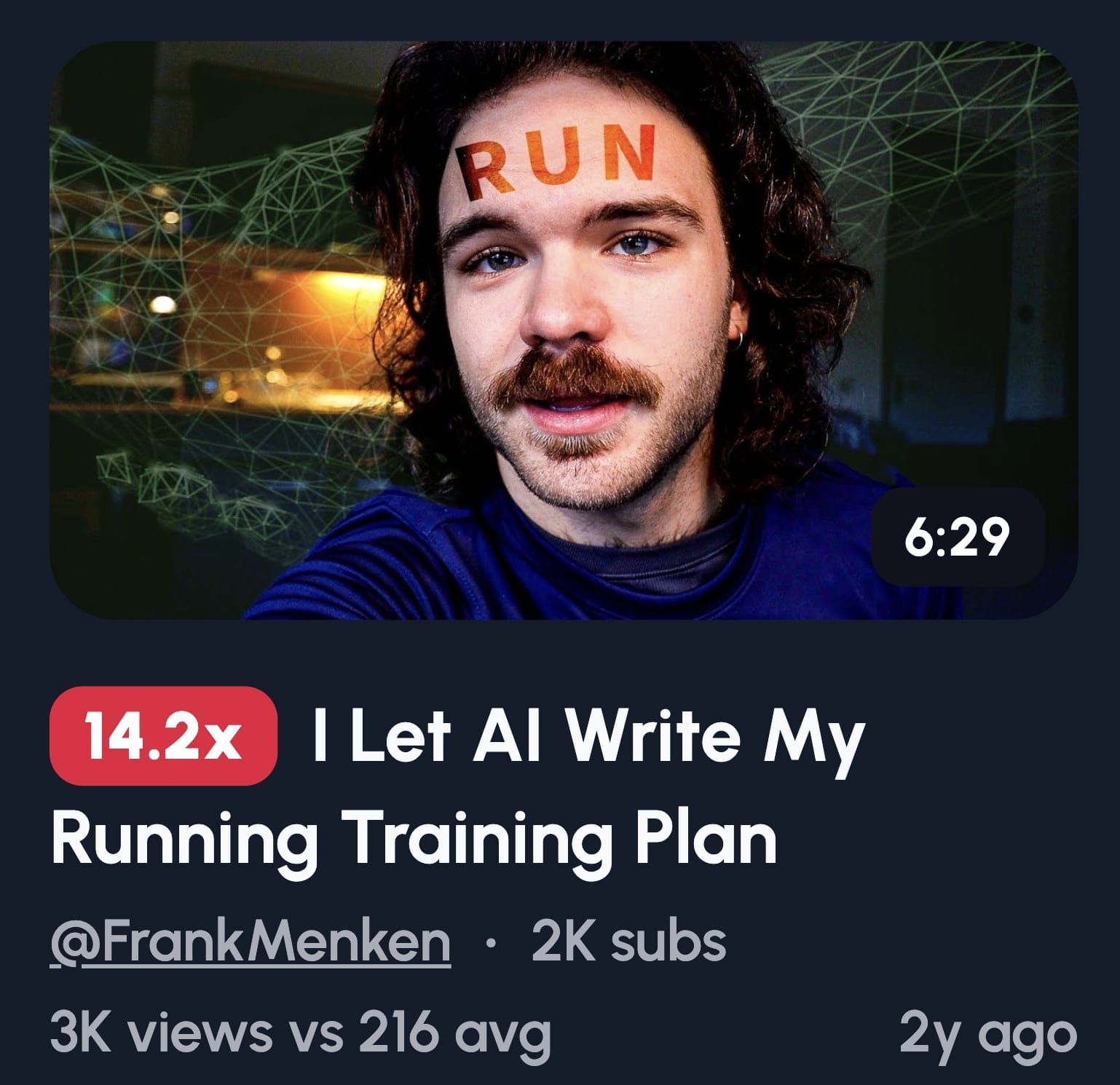
What this video is: You hand your decisions to someone else or to your audience. They pick your outfit, food, schedule, whatever. You just follow orders.
Why it gets views: It adds another character to the vlog. Creates chaos, comedy, and mild embarrassment. People love watching you squirm.
How to make it work: Put screenshots of polls or DMs in the edit so it feels social, not staged. Lean into things that are mildly humiliating (ridiculous outfit, weird food combo, awkward tasks). React honestly when something sucks.
Title examples:
- "My followers controlled my entire day"
- "My boyfriend chose my outfits for a week (why does he hate me)"
- "TikTok decided what I ate for 24 hours"
Be playful. This one should be fun, not deep.
9. Transformation / before vs after
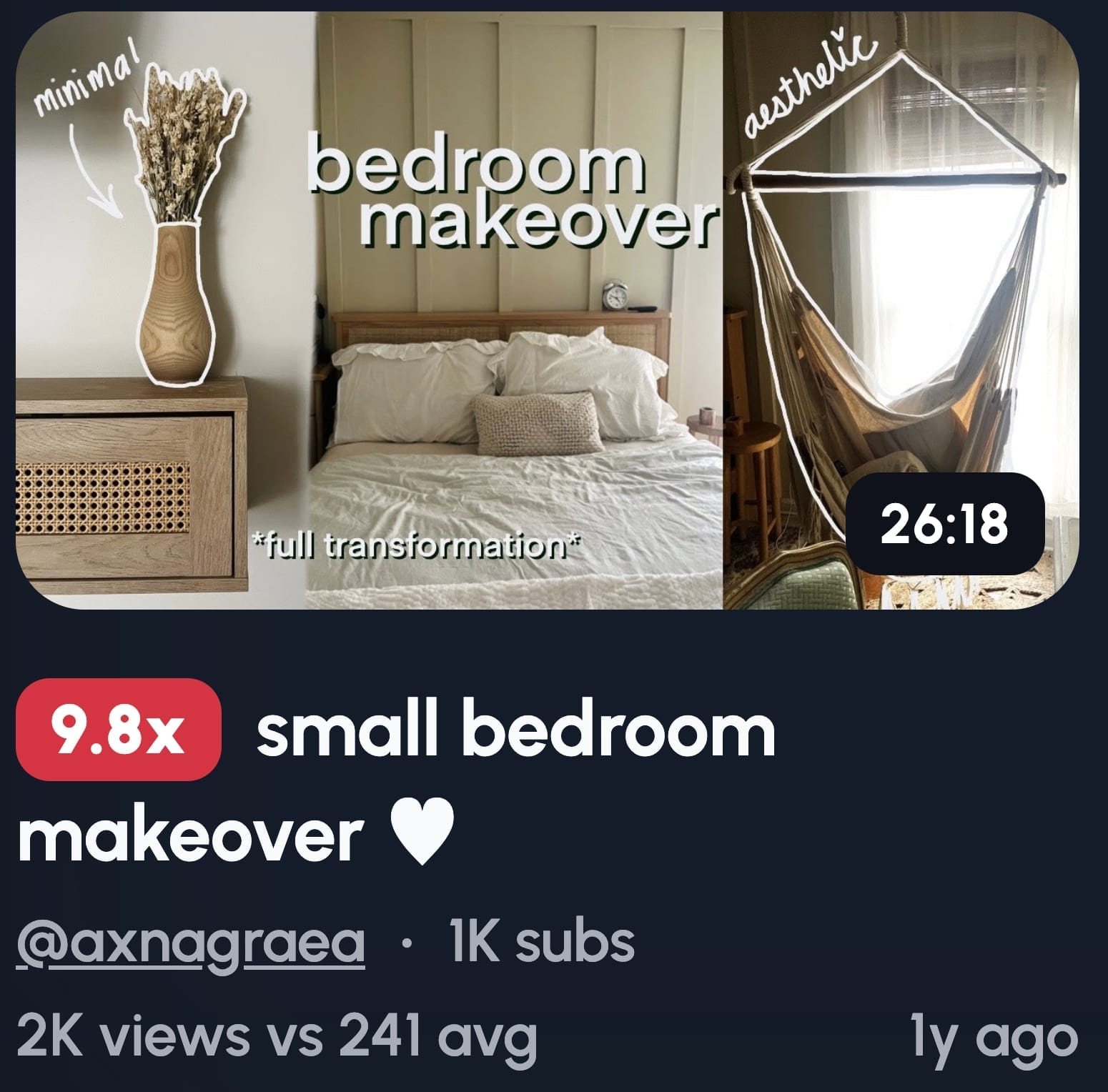
What this video is: You show a clear visual change. Room makeover, body transformation, style upgrade, whatever has an obvious before and after.
Why it gets views: Split-screen before/after thumbnails get crazy clicks. It's satisfying and easy to understand in half a second. People love visible progress.
How to make it work: Film the "before" in ugly lighting to make the "after" pop even more. Show numbers (money spent, time spent, weight difference, measurements). You don't need perfection. You just need visible progress people can see.
Title examples:
- "Tiny bedroom makeover on a $150 budget"
- "My 8 week gym progress (I've never lifted before)"
- "I turned my depressing student kitchen into a café vibe"
10. "The truth about ____"
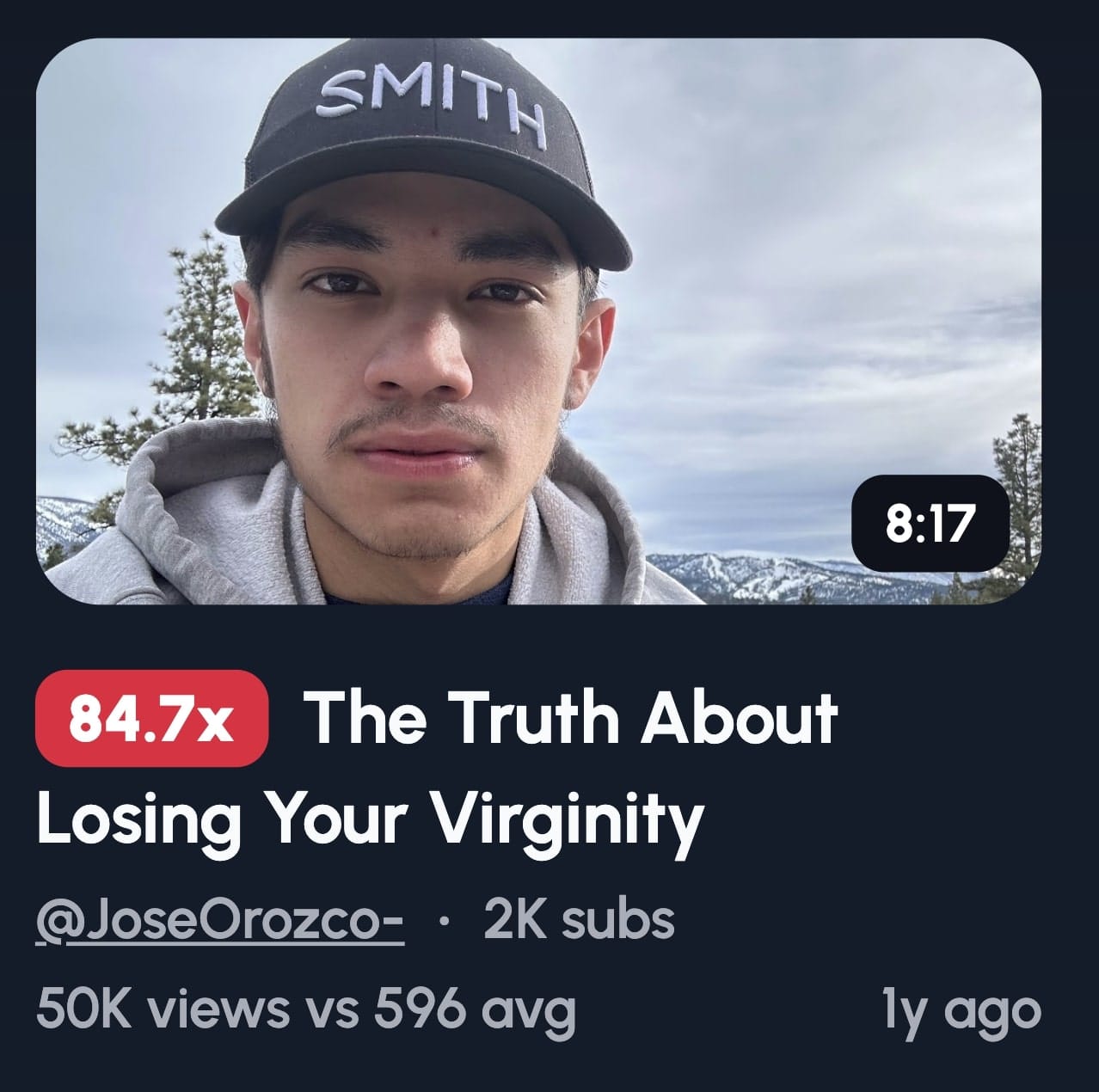
What this video is: You expose the reality behind something people romanticise. Jobs, lifestyles, relationships, whatever looks better on Instagram than in real life.
Why it gets views: The word "truth" suggests you're going to show the side no one else shows. Viewers click because they want the honest version, not the filtered highlight reel.
How to make it work: Use the structure: "Everyone thinks it's X, here's what it's actually like". Use personal stories, not generic advice. Talk about the stuff that surprised you, disappointed you, or proved the fantasy wrong.
Title examples:
- "The truth about living alone in your 20s"
- "The truth about being self-employed"
- "The truth about being an introvert at uni"
Find PROVEN Vlogging Video Ideas
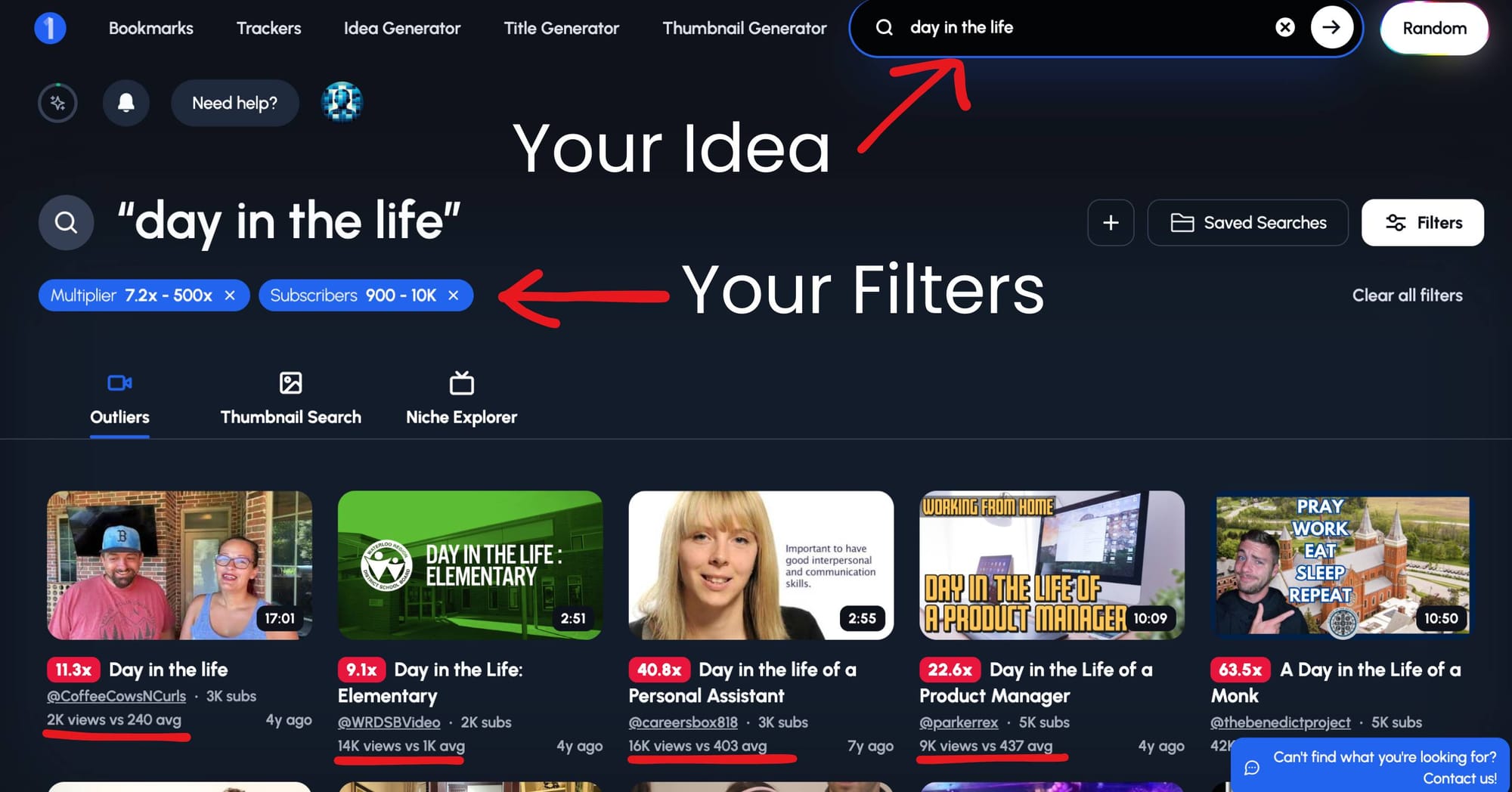
1of10 is the best tool for finding proven video ideas for vloggers because it shows you exactly what's already working. Instead of guessing what might perform well, you see real data from successful videos in your niche. This takes the guesswork out of content planning and helps you create videos people actually want to watch.
See what works before you film Most vloggers waste hours brainstorming ideas that flop. 1of10 analyses successful videos across YouTube and identifies patterns in what gets views and engagement.
How To Make Any Vlog Clickable (Even If Your Life Feels Boring)
Here's the problem: a vlog with no hook is homework to watch. Nobody cares about watching you live your life unless you give them a reason to care.
You add a hook by injecting one of these angles into your title and thumbnail:
Money: Show financial struggle or success ("$23 left", "I saved $4,000 doing this")
Time pressure: Create urgency ("I have 4 hours before my landlord arrives", "72 hours to finish this project")
Physical/mental pain: Show the cost ("12 hour shift on 3 hours sleep", "Day 5 of migraines, still working")
Stakes or consequence: Add risk ("If I don't finish this order we lose the client", "My visa expires in 30 days")
Transformation: Promise visible change ("This bedroom is disgusting. Watch me turn it into something liveable for $150")
Your life isn't boring. Your title is.
Weak vs Strong Title Examples:
Weak: "Day in my life as a nurse"Strong: "12 hour night shift in A&E"
Weak: "Cleaning my flat"Strong: "Deep cleaning my disgusting flat before my mum visits"
Weak: "What I eat in a day"Strong: "What I eat in a day on £4 (I'm broke until payday)"
Weak: "Morning routine"Strong: "5am morning routine after working until 2am"
See the pattern? Same content, different angle. One feels like watching paint dry. The other makes you click.
The angle is everything. Pick one from the list above and bolt it onto whatever you're already filming. That's it.
Faceless Vlogging: How To Film If You Don't Want To Show Your Face
You don't need to be on camera to vlog. Seriously.
If talking to a lens makes you cringe, if you're worried about privacy, or if you just hate how you look on film, you can still make vlogs that people watch and enjoy.
Here's how.
Film POV style: Show your hands doing tasks, film over your shoulder, or use screen recordings if you work on a laptop. The viewer sees what you see, not your face.
Voice-over after filming: Record all your footage silently. Add your voice later when you're editing. You control the tone, you can re-record bits, and you don't have to perform live on camera.
Tell stories with b-roll and captions: Film close-ups of what you're doing and let text on screen do the talking. You can build entire vlogs this way without saying a word out loud.
Safety matters too: Don't show house fronts, work ID badges, car plates, or kids' faces. Faceless filming protects you from oversharing without losing the content.
Faceless vlog examples:
- "Night shift as a cleaner, 2am to 6am POV"
- "How I prep $500 worth of cake orders in my tiny kitchen"
- "What I restock at Walmart at 5am"
You can still grow without being the on-camera personality. The format doesn't have to matter. The angle and the story do.
Stay Safe, Don't Get Fired, Don't Get Doxxed
Look, I don't want you to ruin your life for views. So let's talk about the stuff nobody mentions but everyone should know before hitting upload.
Blur logos, badges, kids' faces, and number plates. If it identifies you, your workplace, your car, or someone else, blur it. Takes 30 seconds in editing. Worth it.
Don't record private customers without permission. If you work retail, hospitality, healthcare, anything customer-facing, don't film people's faces. You'll get complaints, you'll get sacked, and it's not worth the content.
Don't film your full street address, school uniform, or workplace access cards. Sounds obvious, but people slip up. A quick pan of your desk could show your work ID. A "morning vlog" could show your house number. Check your footage before you post.
Think about future hiring managers before you rant. Posting "I hate my job and my boss is useless" might feel good now. But it lives online forever. Employers can Google you. Don't make yourself unemployable for a vent video.
You can still make honest, raw content without exposing yourself. Just think twice before you upload.
Some Truths About YouTube Vlogging
Your first 10 videos will probably flop. That's normal. You're learning how to hook people in the first 10 seconds, how to pace a vlog, and how to write titles. Each video should teach you something.
You're not failing if you're getting 42 views. You're in skill-building mode. Only panic if you post the same style 10 times with no improvement in retention, CTR, or views. That means you're not learning.
Track your stats. Compare video 5 to video 1. If nothing's changed, change something.