
9 DATA BACKED YouTube Podcast Video Ideas
You've got the mic, the camera's rolling, and your podcast is finally live on YouTube. But here's the thing: nobody's watching.
Your view count's flatlining, comments are non-existent, and you're already scraping the bottom of the barrel for episode ideas. Meanwhile, there are thousands of other podcasts drowning out your voice, and you're left wondering if anyone actually cares about what you're saying.
I get it. Coming up with fresh, engaging video ideas that actually pull views feels impossible when you're stuck in a creative rut.
But here's the truth: the podcasts crushing it on YouTube aren't just winging it. They're using proven strategies to generate ideas that resonate with their audience and stand out from the noise.
Let me show you exactly how to come up with YouTube video ideas for your podcast that'll actually get views, keep people watching, and build the engaged audience you're after.
1. “Hot Takes” & Controversial Opinions

Controversial opinions are content gold for podcast videos. When you take a strong stance on a polarising topic, you're practically begging viewers to comment, argue, and share your video. This back-and-forth action signals to YouTube's algorithm that your content is engaging, which pushes it to more people.
Here's why this works: debate sparks emotion, and emotion keeps people glued to their screens.
Take Joe Rogan's episodes on COVID policies or pharmaceutical companies. Millions of views and trending on X. Why? Because people either passionately agreed or disagreed, and they couldn't help but voice their opinion in the comments.
The formula's simple: pick a widely accepted belief in your niche, flip it on its head, and watch the engagement roll in.
2. Reaction Episodes to Viral Clips
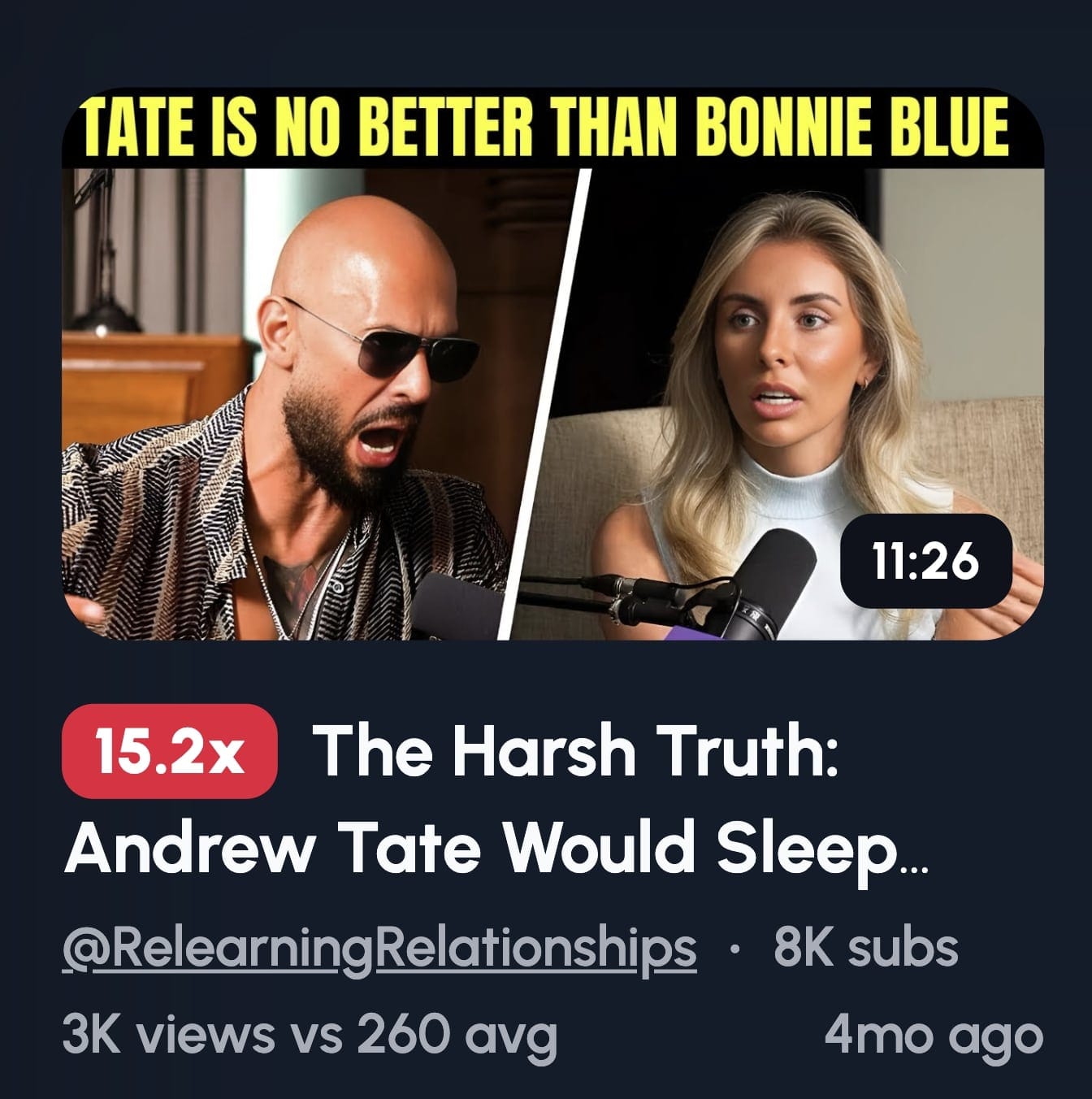
Reaction episodes let you piggyback off content that's already blowing up. When something goes viral, people are searching for it everywhere, and your reaction video can capture that flood of traffic. You're not starting from scratch trying to build interest, you're jumping into a conversation that's already happening.
Here's the play: find a viral clip, trending topic, or controversial moment in your niche and record your take on it.
A celebrity says something wild in an interview? Break it down on your podcast. A new product launches and everyone's talking about it? Give your hot take.
You're tapping into existing search volume and curiosity. People want multiple perspectives on viral moments, and they'll watch several reaction videos to get different angles.
The key is speed. Jump on trends while they're hot, not three weeks later when everyone's moved on.
3. Behind the Scenes of a Guest’s Success
Success stories with real numbers and authentic struggles keep viewers hooked from start to finish. When you break down exactly how someone went from zero to hero, you're giving people a roadmap they can follow. It's not just inspiration, it's education wrapped in a compelling narrative.
People don't want vague advice. They want specifics: How much money did you start with? What failed before it worked? What would you do differently?
Look at how "Diary of a CEO" structures these episodes. Steven doesn't just ask guests about their wins. He digs into the messy middle, the failures, the moments they almost quit. That's what keeps people watching until the end.
The formula: invite someone with proven results, then pull back the curtain on their journey. Focus on the turning points, the mistakes, and the exact strategies that worked.
Numbers matter here. "How I Built a Business" is boring. "How She Built a £10M Brand from Scratch" makes people click.
4. Unfiltered Conversations with Unexpected Guests
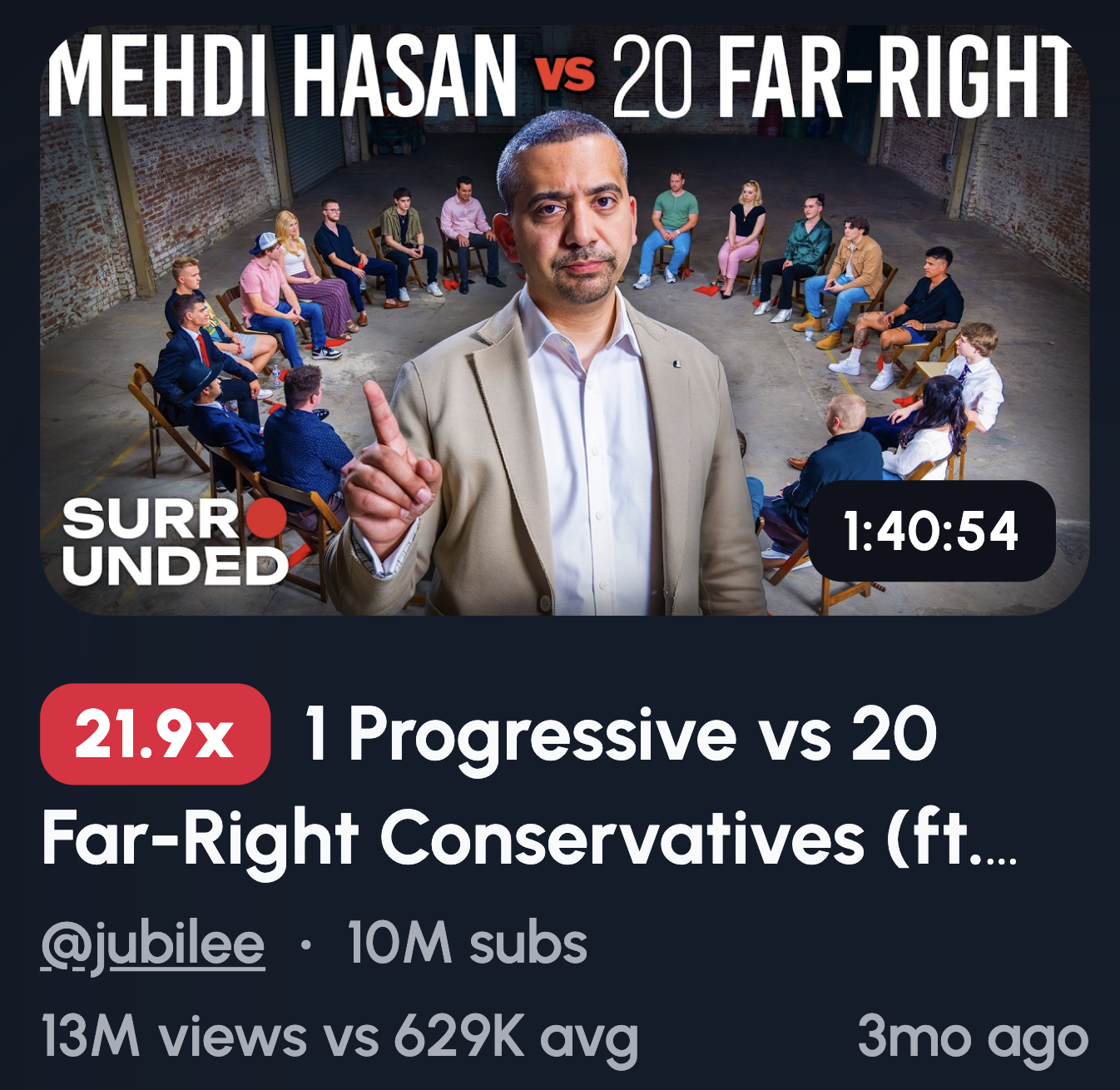
Pairing two people who wouldn't normally sit in the same room creates instant tension, and tension keeps people watching. When you bring together guests with opposing views or wildly different backgrounds, viewers stick around to see how the conversation unfolds. They're waiting for the clash, the agreement, or the surprising common ground.
This isn't about staging fake drama. It's about creating genuine, raw conversations that reveal something real.
Think about it: a priest and an atheist discussing faith. A millionaire and someone living paycheck to paycheck talking about money. A vegan and a carnivore debating diet. These pairings are magnetic because the conflict is built in.
Joe Rogan's done this brilliantly by bringing on guests with wildly different perspectives and letting them hash it out. The unscripted moments, the awkward pauses, the heated exchanges, that's what people remember and share. Getting immortalized through memes.
The key is authenticity. Don't script it. Let the conversation breathe and go wherever it needs to go.
5. “What No One Tells You About…” Series
"What No One Tells You About" episodes work because they promise the real story, not the polished version everyone else is selling. You're positioning yourself as the person willing to share the uncomfortable truths that other creators skip over. This honesty builds trust and makes people click because they're tired of surface-level advice.
Everyone's heard the success stories. They've seen the highlight reels. But what about the stuff nobody mentions? The hidden costs, the unexpected challenges, the parts that nearly broke you?
That's the hook.
"What No One Tells You About Starting a Business" hits different than "How to Start a Business." One promises the full picture, the other sounds like every other podcast episode out there.
This format works across any niche. What no one tells you about being a parent. What no one tells you about quitting your job. What no one tells you about going viral.
You're not lying or exaggerating to get clicks. You're just being honest about the parts other people conveniently leave out, and that's refreshing enough to make people stop scrolling.
6. Life-Changing Lessons From…
Compilation episodes let you squeeze more value out of content you've already created while giving viewers a concentrated dose of wisdom in one sitting. Instead of watching ten separate episodes, they get the best insights from Navy SEALs, monks, and CEOs all in one place. It's efficient for them and smart for you.
Here's the beauty of this format: you're not creating new content from scratch. You're remixing your best moments into a new package that appeals to binge-watchers and self-improvement junkies.
People love curated lists of lessons, especially when they come from diverse, credible sources. A monk's perspective on peace, a CEO's take on leadership, a Navy SEAL's view on discipline, all woven together creates a richer, more interesting episode than any single guest could provide alone.
This format also keeps your back catalog working for you. Old episodes get new life when their best clips appear in themed compilations, and viewers who missed them the first time now have a reason to go watch the full versions.
7. “X vs Y” Debates
Debate episodes force your audience to pick a side, and once someone's chosen their team, they're emotionally invested in your content. They'll watch till the end to see if you validate their choice, and they'll flood the comments defending their position. That engagement tells YouTube your video's worth promoting.
The format's simple but powerful: take two opposing ideas and pit them against each other.
9-to-5 job vs entrepreneurship. Renting vs buying. College degree vs self-education. Remote work vs office life. The list goes on.
What makes this work is the personal connection. Your viewers aren't just passively watching, they're mentally arguing with you or agreeing with every point you make. They're thinking about their own choices and experiences.
And here's the kicker: these videos get repeat views. Someone who chose entrepreneurship will come back to show the video to their friend who's stuck in a 9-to-5, just to prove their point.
Frame it fairly, present both sides honestly, then give your take. The comment section will handle the rest.
8. Deep-Dive Exposés
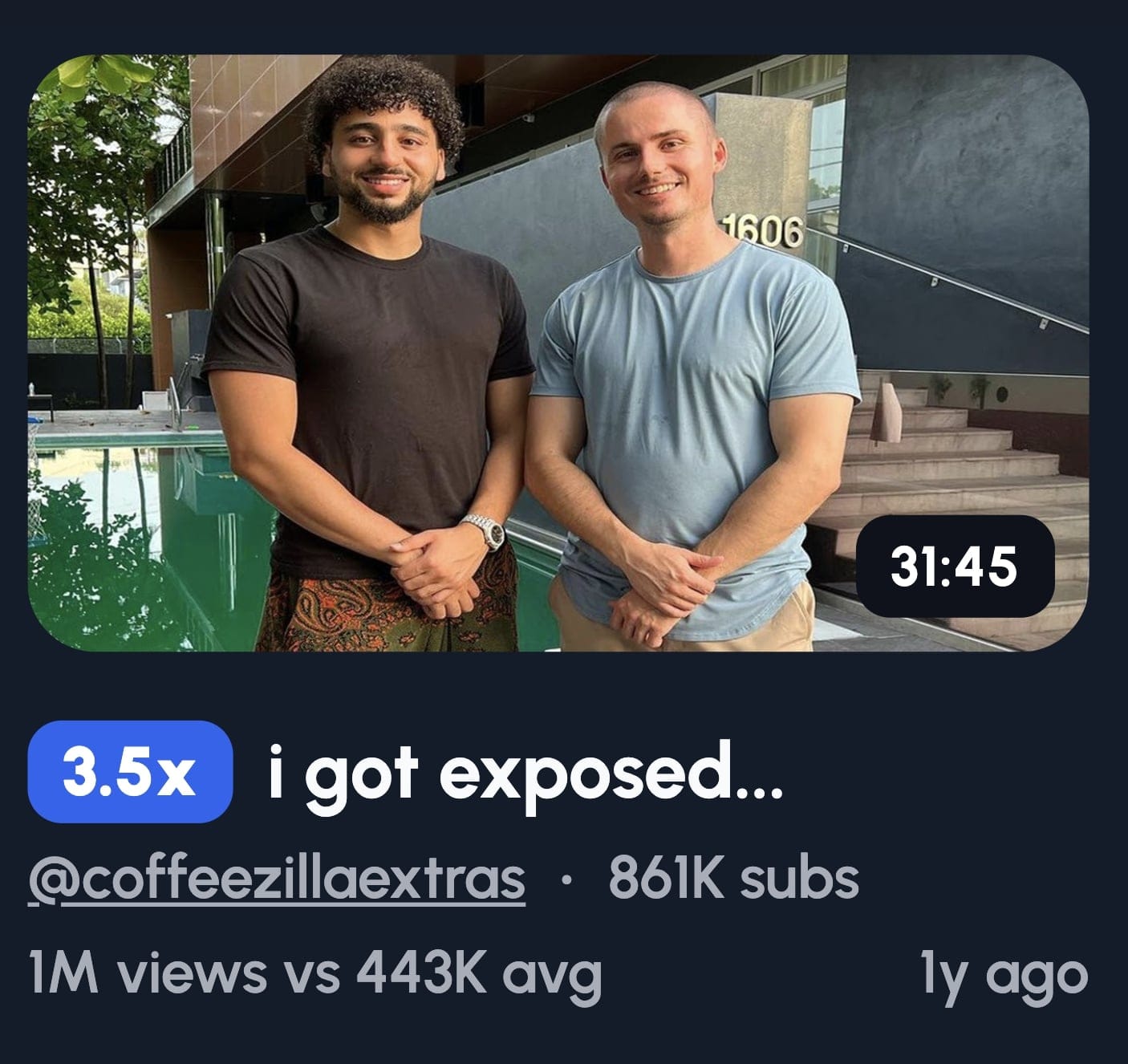
Exposé episodes tap into people's natural curiosity about what's really happening behind closed doors. When you investigate an industry, trend, or topic and reveal the stuff most people don't see, you're giving viewers insider knowledge they can't get anywhere else. That exclusivity keeps them watching and sharing.
These aren't quick takes or surface-level observations. They're long-form investigations that peel back the layers.
"The Dark Side of the Influencer Industry" works because everyone sees the glamorous Instagram posts, but few people know about the manipulation, fake sponsorships, or mental health toll. You're showing them what's hidden.
This format builds trust. You're doing the research they don't have time for, connecting dots they haven't seen, and presenting it in a way that's both informative and gripping.
Pick industries or topics people think they understand but actually don't. Fitness supplements. Real estate investing. Social media growth tactics. Then dig deeper than anyone else bothered to go.
The longer the video, the better, assuming you've got the substance to back it up.
9. The Truth About [TRENDING TOPIC]
Timing is everything with this format. When a topic's blowing up and everyone's searching for answers, your "Truth About" video can capture that wave of curiosity and ride it straight to thousands of views. You're answering the questions people are already typing into Google and YouTube's search bar.
The phrase "The Truth About" works because it implies there's misinformation floating around and you're here to set the record straight. It positions you as the authority cutting through the noise.
Andrew Tate's business empire. ChatGPT's impact on jobs. Whatever's dominating headlines and social feeds right now, that's your topic.
The key is acting fast. Trending topics have a shelf life, and if you wait too long, the search volume disappears and someone else has already captured the audience.
Do your research, present multiple angles, and give your informed take. Don't just regurgitate what everyone else is saying, add value by connecting dots others missed or challenging the mainstream narrative.
Strike while the iron's hot, then watch the algorithm work in your favor.
Generate Great Ideas in Moments
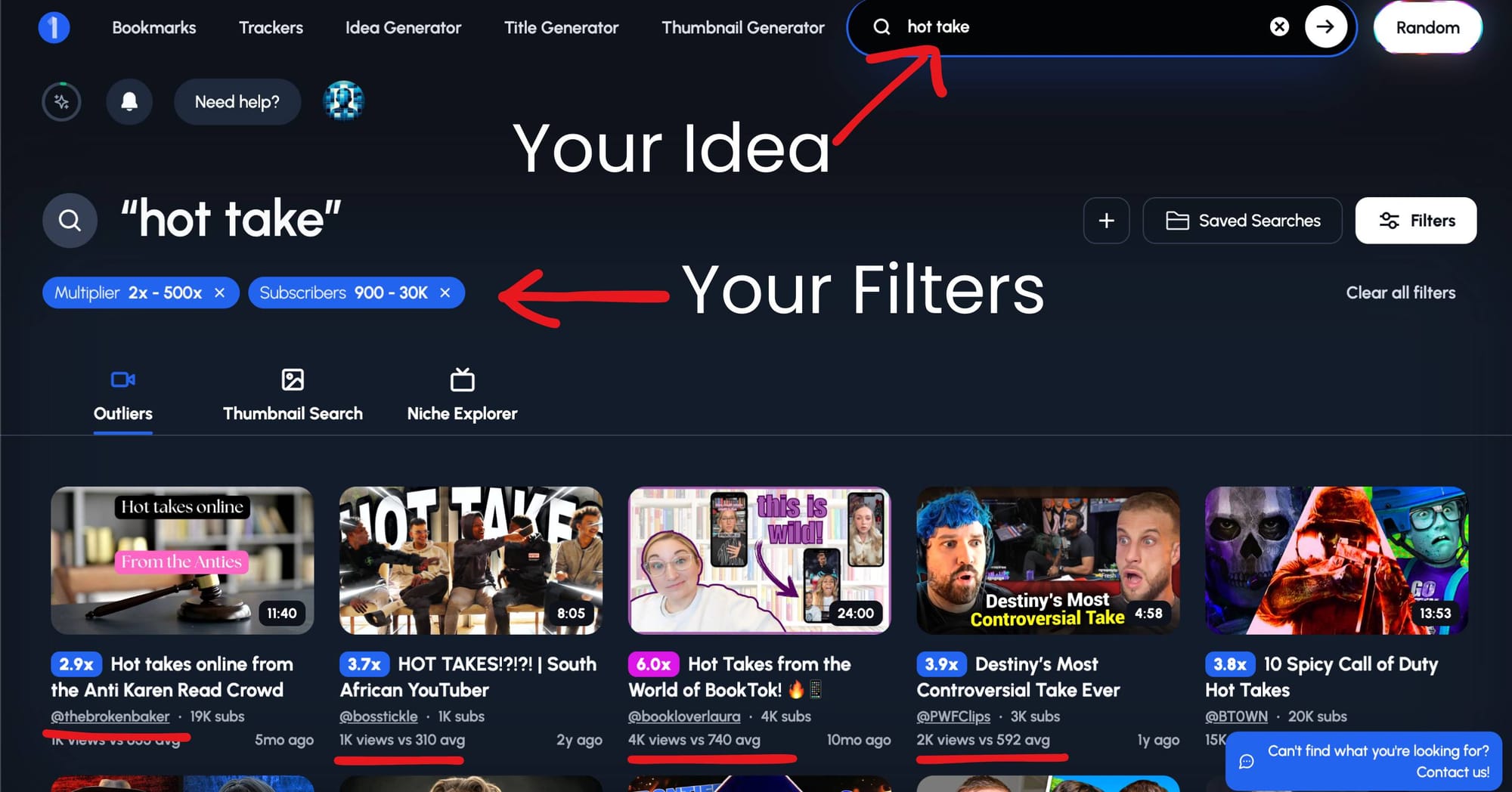
I’ve given you ideas and some of those brain juices are now flowing. But what if you could generate data backed podcast ideas in moments?
That’s where 1of10 comes in.
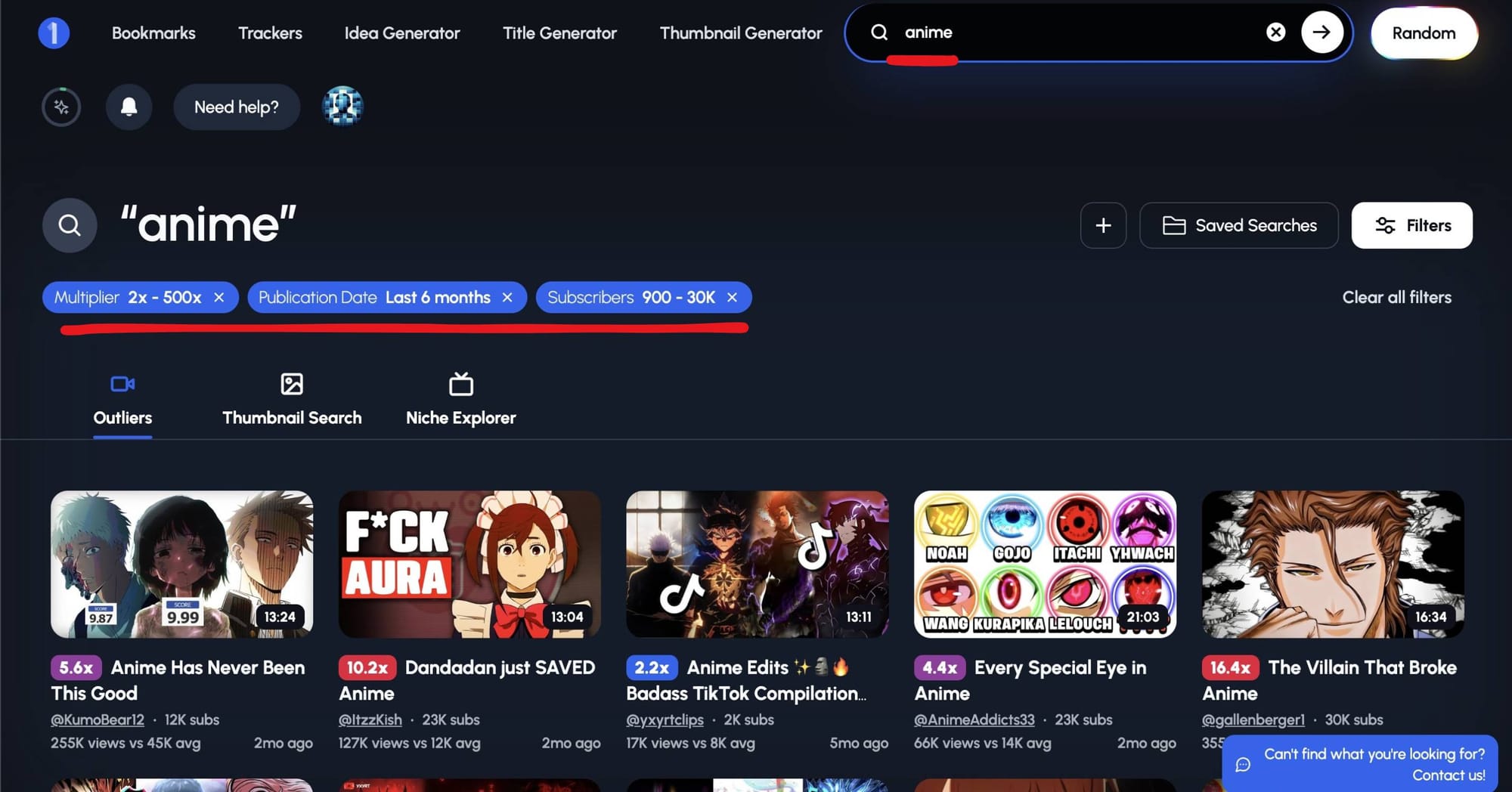
1of10 gives you data-backed insights to validate video ideas before you waste time recording. It shows you what's actually working in your niche by analyzing outlier videos, the ones pulling views that other creators missed.
You're not guessing what'll work, you're seeing proof. The thumbnail and title generators create designs that actually convert. Use 1of10 to research if similar ideas have traction by checking view counts and engagement rates.
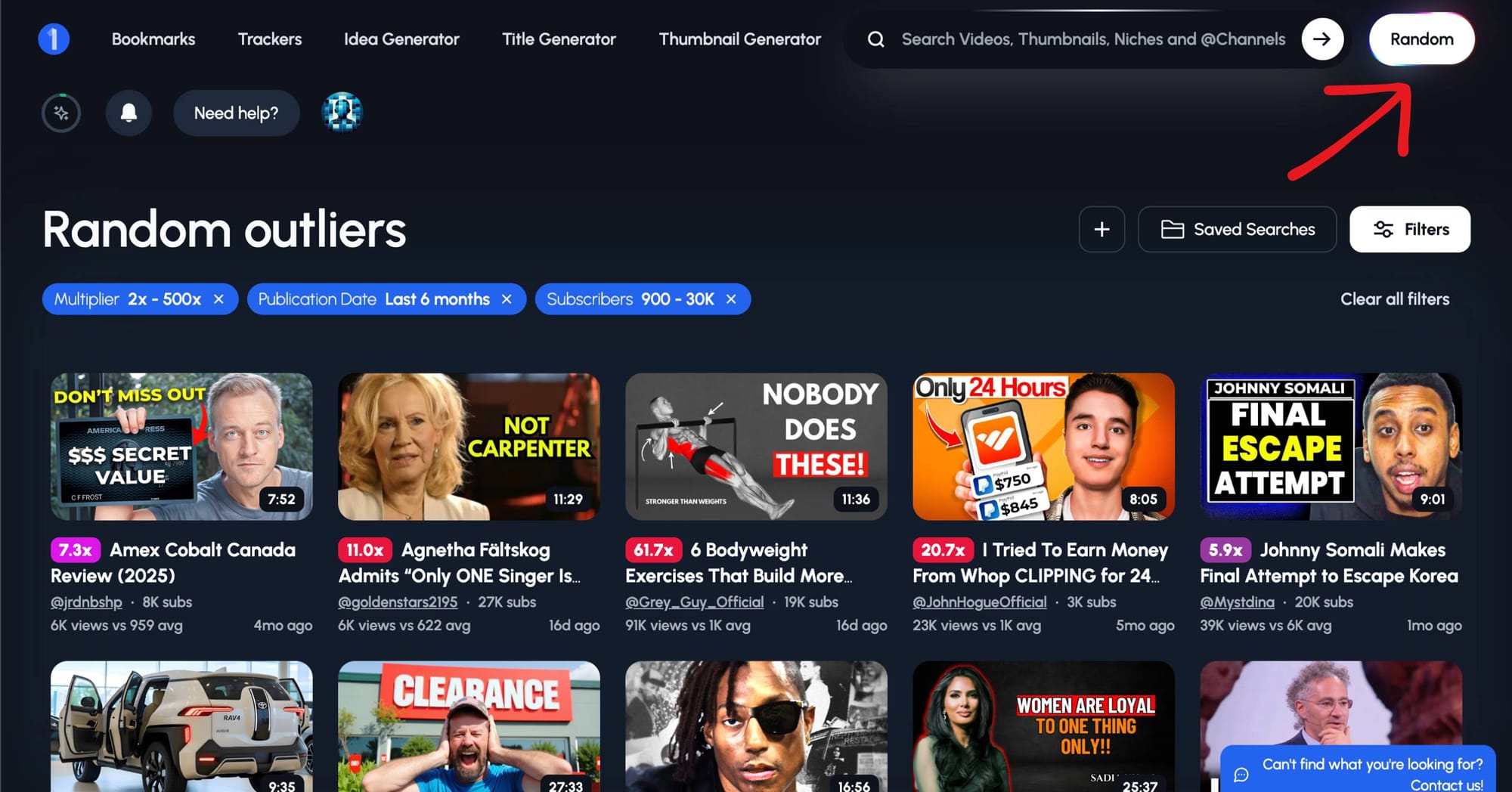
You can also randomise for completely different ideas:
Missing Perspectives You Need to Include in Your Strategy
You've got solid video ideas, but if you're ignoring these angles, you're leaving views on the table. Here's what most podcast creators miss when planning their content strategy.
Platform-Specific Thinking (Audio vs YouTube vs Live)
Audio-first podcasts and video podcasts aren't the same thing, and pretending they are will kill your growth. Some listeners are multitasking, driving, working out. Video viewers are sitting down, watching, and they'll click away in seconds if there's nothing visually engaging on screen.
An episode about "My Morning Routine" might do well on Spotify because listeners can imagine it. But on YouTube? It's boring unless you're showing the routine, cutting between scenes, adding B-roll.
Success metrics differ too. Spotify cares about completion rate. YouTube cares about watch time and CTR. Live audiences on YouTube want interaction and responses. You can't optimize for all three with the same approach.
Global & Local Angles
Most podcast advice assumes you're targeting a Western, English-speaking audience. But there's massive opportunity in bilingual content and regional topics that big creators ignore. If you speak multiple languages or understand a specific market, you've got instant differentiation.
The podcast space in India, Brazil, and Southeast Asia is exploding but undersaturated compared to the US and UK. Look at regional pain points too.
You don't need to abandon your current audience. Just consider: could this topic work with a local spin?
Business vs Personal Podcasts
A passion project and a lead-generation podcast need different strategies. Personal podcasts can explore random topics. Business podcasts must solve problems your ideal customers face.
If you run a marketing agency, tackle questions potential clients are googling. Each episode should move listeners closer to seeing you as the solution.
Here's the test: if someone binges your last ten episodes, would they understand what you do and why they should hire you?
Longevity & Scaling Topics
Your podcast won't survive on the same format forever. Spin-off series keep things fresh. If your main show is interviews, add monthly solo episodes answering audience questions.
Seasonal refreshes work too. Every quarter, introduce a new segment while keeping your core format. "Summer Success Stories" or "Year-End Lessons" give you built-in content buckets.
Audience Q&A episodes are goldmines. Your listeners tell you what they want to hear, and you're getting engagement while creating an episode.
FAQ
How do I test if my podcast idea will work before I commit?
Test your podcast idea by creating a single pilot episode and gauging response before committing to a full series. Post it on YouTube, share it with your existing audience or relevant communities, and track the CTR, watch time, and comments. If people engage and ask for more, you've got a winner. If crickets, pivot before you waste months on content nobody wants. Run a poll on social media or search YouTube for similar content. If it's getting views, there's an audience.
How do I measure success beyond views?
Success isn't just about view counts, it's about watch time, subscriber conversion rate, comment engagement, and whether your podcast is actually moving you toward your goal. A video with 1,000 views where 80% of people watch till the end and 50 subscribe is infinitely more valuable than 10,000 views with a 20% drop-off rate. If you're running a business podcast, track leads generated. That's real ROI.