
Avoid These Mistakes That Kill YouTube Channels
Discover key strategies for growing your YouTube channel, optimising thumbnails, titles, and avoiding common mistakes. Learn how repetition and A/B testing can boost your content’s success.
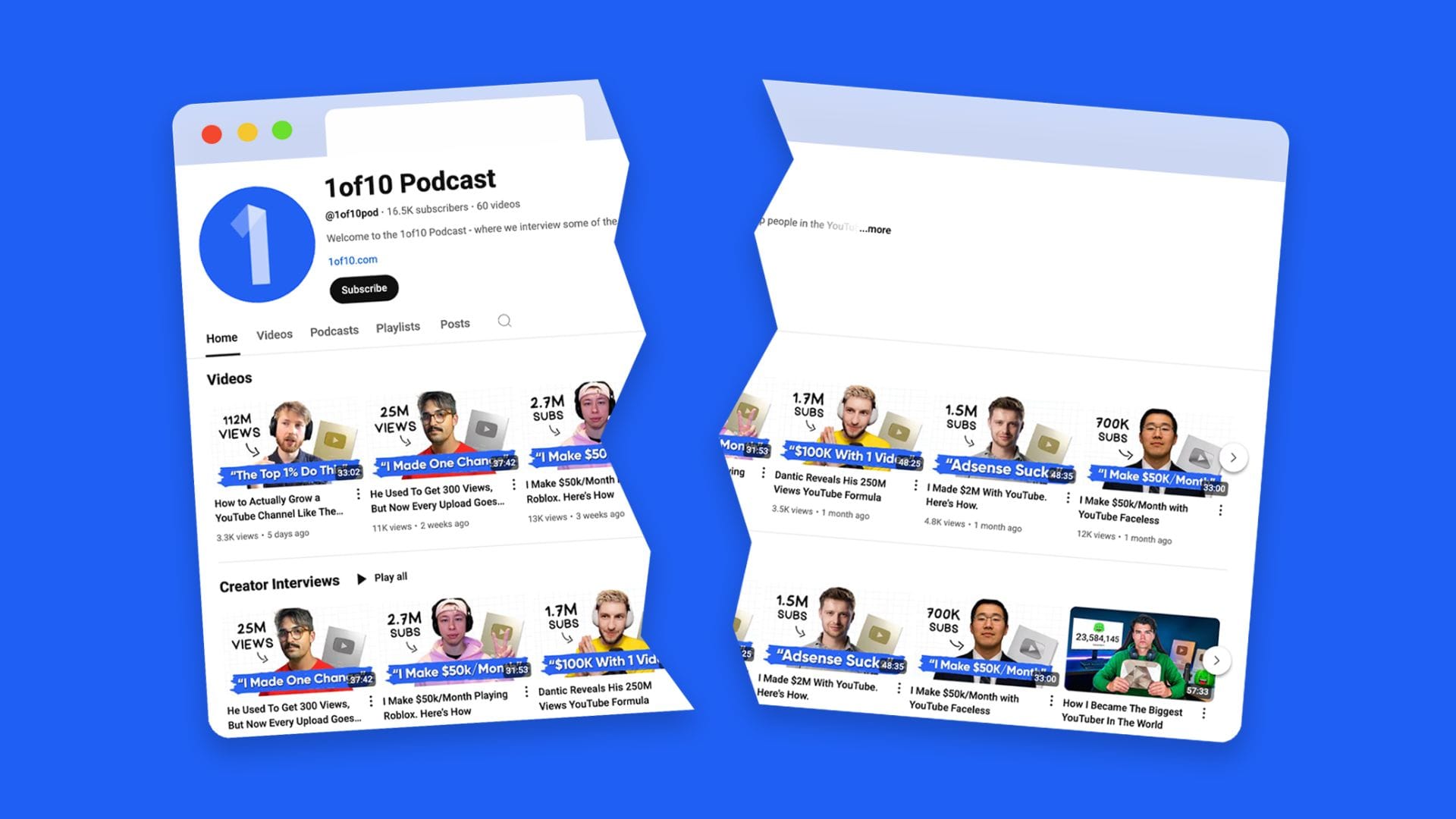
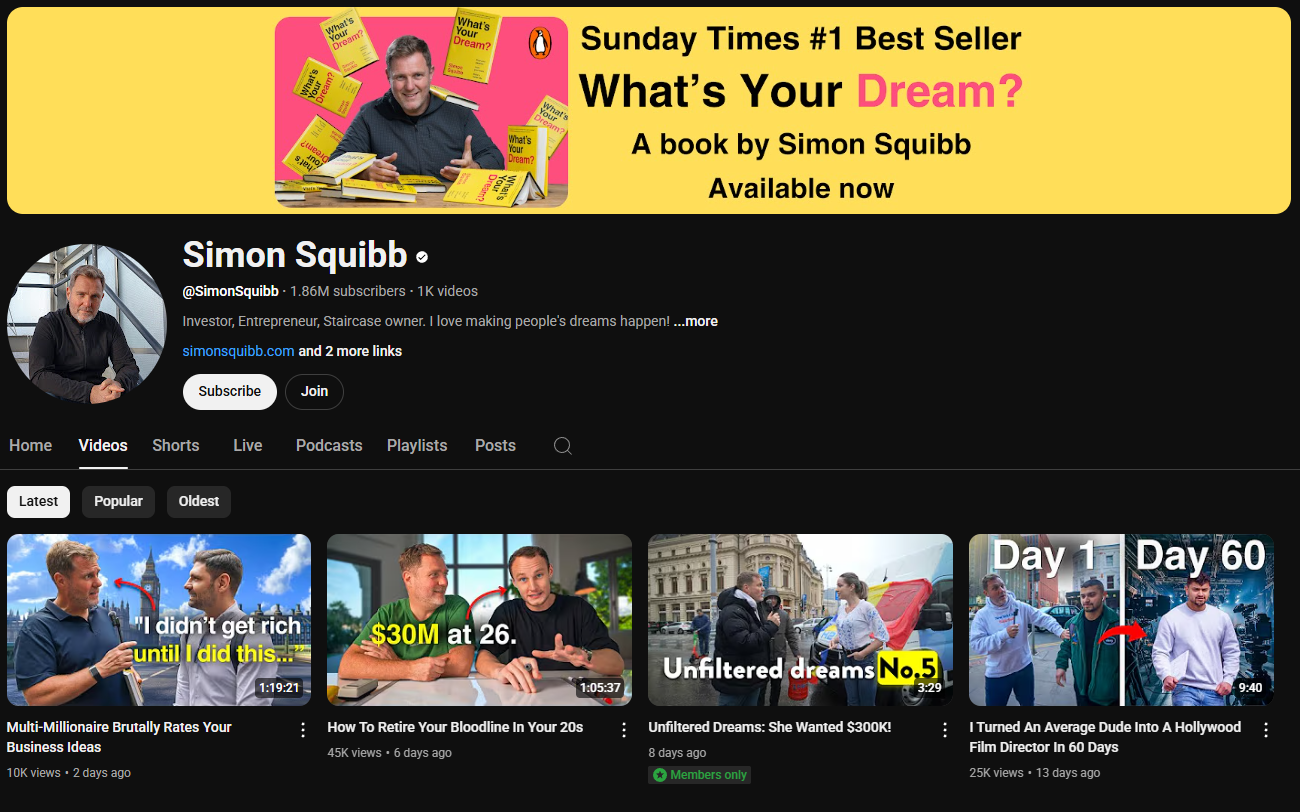
Growing a successful YouTube channel requires more than just uploading videos. It involves strategy, consistency and leveraging key tactics that can skyrocket your reach. From repeating successful content formats to perfecting your thumbnails and titles, and learning from audience feedback. In this blog, we'll explore essential YouTube growth strategies, helping creators avoid common mistakes, create compelling content and optimise their channel for long-term success. We'll take a look at Simon Squibb, a business YouTuber who has gone viral recently for his interviews!
The Importance of Repetition in Content Creation
One of the most impactful lessons for YouTube creators is the power of repetition in creating content. While it’s tempting to constantly chase the next big idea or innovate with every video, there's a key truth that successful creators know: sticking with a proven content format can drive massive growth.
Leveraging Success with Proven Formats
Take Simon Squibb for example, whose YouTube journey skyrocketed thanks to a simple, but highly effective, content format. His viral "What's your dream?" street interviews became a cornerstone of his success. Sticking with this format, asking everyday people what their dreams were and helping them achieve those dreams meant he was able to create a video series that wasn’t just a one-off success. The format quickly became recognisable across YouTube and audiences loved it, driving hundreds of millions of views across multiple videos.
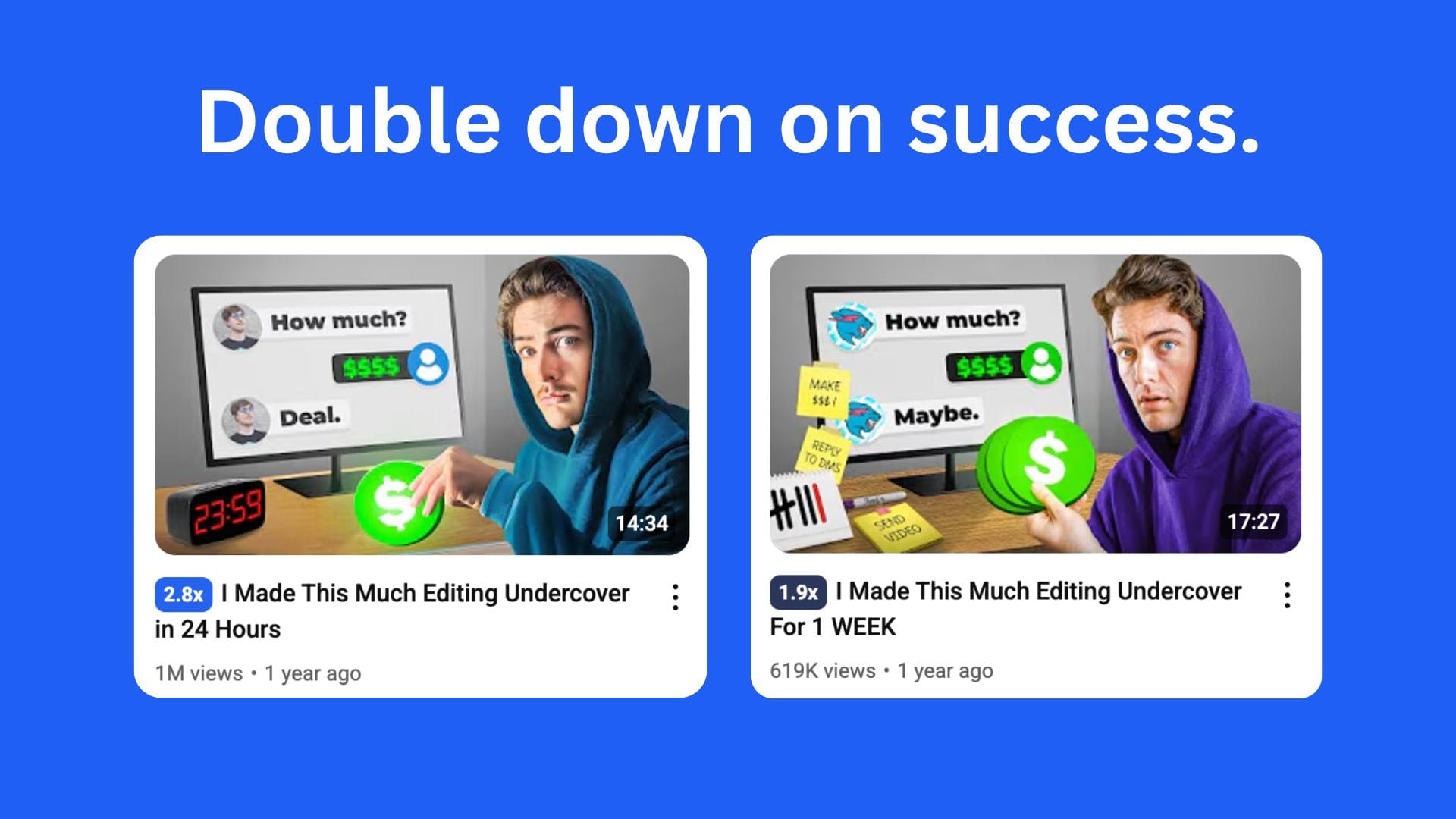
Repetition doesn’t mean creating identical content over and over again, but refining a format that works and continuing to innovate within it. This is where the concept of leveraging success comes into play when filming content. Once a YouTuber identifies a video idea that relates with audiences, that idea can be extended, changed or built upon to create an entire category of content.
Building a Content Category That Resonates
Simon’s success didn’t just come from a single viral video, it was about creating several more videos within the same content category, ensuring that each new video felt fresh yet familiar. This approach:
- Ensures consistency: When people know what to expect, they are more likely to return.
- Builds reliability: The more you refine your format, the more your audience knows that the content will consistently offer value, whether through relatable storytelling, emotional connections, or unique concepts.
- Prevents burnout: By working with formats that aren’t too complex to produce, creators can consistently put out high-quality content without exhausting themselves.
Why Repetition is Key for Growth
The idea of replicating successful content is especially crucial in today’s competitive YouTube space. With millions of videos uploaded every day, having a recognisable format sets you apart. Whether it’s the way you ask questions, tell stories, or even how you interact with your audience, your format becomes the backbone of your channel's identity.
- Simon, for example, gained 270,000 subscribers from just one video that followed his signature street interview style.
- This approach also allows creators to experiment within a safe framework, ensuring they are continuously improving without having to reinvent the wheel each time.
Evolving Within a Successful Framework
The key takeaway is that when you discover a content format that works, double down on it. While many creators feel the need to jump to something entirely new to avoid stagnation, repeating successful formats allows you to build an entire content category that can keep growing.
How to Evolve Within a Proven Format:
- Stay true to the core concept: Keep the basic elements that made the format successful.
- Experiment with fresh angles: Add new ideas or twists to keep the content exciting for your audience.
- Expand your content: As you get more comfortable with the format, consider building out different variations that still fit the original concept.
Crafting Click-Worthy Thumbnails and Titles
When it comes to YouTube success, one of the first things viewers notice is your thumbnail and title. These elements play a crucial role in whether or not someone clicks on your video. A compelling thumbnail and title combination can increase your click-through rate (CTR), drawing more viewers to your content. But what makes an effective thumbnail and title? Let’s break it down.

The Psychology Behind Thumbnails and Titles
A well-designed thumbnail and a strong, clear title work together to trigger curiosity, promise value, and set expectations. The title grabs attention with a hook, and the thumbnail visually reinforces that hook, making people want to click. Here’s how you can approach both:
- Titles should immediately give the viewer a sense of what they will gain from watching the video. Use powerful, direct language to communicate the benefit or the mystery of the content.
- Thumbnails need to be eye-catching and easy to understand, even in a small preview. They must visually summarize the main point of the video and complement the title to form a cohesive message.
Key Elements for High-Performing Titles
Titles are the first thing people see, so they need to grab attention. Here are a few things to consider when creating titles:
- Clarity and Simplicity: Keep the title concise but informative. It should explain what the video is about without being overly complex.
- Curiosity: Titles that spark curiosity will make viewers want to click. For example, using questions or bold statements in your title can trigger that sense of mystery, like “You Won’t Believe What Happened When…”
- Time and Authority: Including time-based elements in your titles, like “30 years of business knowledge in 2 hours”, adds authority and sets the expectation for how much value a viewer can expect in a specific timeframe.
Designing Thumbnails That Grab Attention
Thumbnails are just as important as titles, if not more so, because they act as the visual first impression of your video. A great thumbnail increases the likelihood that your video will be clicked. Here’s how to create thumbnails that pop:
- Use High-Quality, Focused Images: A sharp, clear image with good lighting makes the thumbnail stand out. Your face should be front and center if possible, as this increases relatability.
- Add Contrast and Simplicity: A thumbnail should have a simple, clear focal point. Blur the background or dim it to highlight the main subject of the image.
- Use Bright Colors and 3D Elements: Bright colors and 3D arrows or text help create a more dynamic and engaging thumbnail that draws the eye. For example, a red arrow pointing to a key detail or element in the image can instantly direct attention.
- Consistency: If you create a recognizable style for your thumbnails, viewers will associate it with your channel and know exactly what to expect when they see one of your videos.
Leveraging Authority in Your Thumbnails and Titles
One strategy that has proven successful for many YouTubers is incorporating authority into both your title and thumbnail. Authority doesn’t always mean having a famous name; it can be about establishing credibility. For example, titles like “30 years of experience in 2 hours” signal expertise and give your video a certain weight.
You can also utilize social proof, showing that others are engaging with your content. A title like “Over 1 million views in 24 hours” can make viewers more likely to click because they’ll think, “This video is popular. It must be worth my time.”
AB Testing Your Thumbnails and Titles
Once you've designed your thumbnails and titles, it’s crucial to test them to see which ones perform best. Analysing A/B testing helps you identify the most effective combinations. By testing variations of your titles and thumbnails on different videos, you can determine which elements drive the highest engagement.
- Test one element at a time: Try changing one part of the thumbnail or title (like the wording or image) and see if it impacts the CTR.
- Analyze performance: Use YouTube’s built-in analytics to compare the click-through rate of different titles and thumbnails.
Turning Viral Hits into Repeatable Video Ideas
Once you've created a video that goes viral, it’s natural to want to replicate that success. But how do you go from one viral hit to consistent growth? The key lies in turning viral hits into repeatable video ideas. The more you understand the core elements that made a video successful, the more you can adapt and repeat those elements to create a sustainable content strategy.
Identifying What Made Your Video Go Viral
Before jumping into making more videos, it’s essential to break down what worked in your viral hit. Identifying the core components that resonated with your audience, means you can replicate those elements in future content.
- Format: Did your viral video follow a specific format or structure? For example, a certain way of storytelling or a particular theme can be reused to create similar videos that still feel fresh.
- Emotional Connection: Was there an emotional hook that made the video compelling? If your video tapped into emotions like inspiration, surprise, or humour, you can continue to focus on that emotional angle in future videos.
- Topic: Was there a specific subject that people were particularly interested in? Analysing the topic of the viral video will help you understand if it's something people are eager to watch repeatedly.
Building a Content Category Around Your Viral Success
One viral hit is great, but it’s the content category you build around it that will give you long-term success. A content category allows you to expand on a proven idea while keeping it fresh for your audience. Here's how you can approach building a content category:
- Replicate, but don’t duplicate: Use the core idea from your viral hit but change the subject or the twist. For example, if your viral video was about interviewing people about their dreams, the next video could feature a different angle, like helping someone achieve their dream.
- Create a series: If one video performs well, consider creating a video series based on the same theme. This could be an ongoing series where you explore different variations of the original idea, keeping the content engaging but familiar.
- Diversify within the category: Don’t just repeat the same formula, think about how to vary your approach within your content category. This might mean switching up the format or introducing new elements that keep the audience interested.
Repackaging Content to Maximise Impact
Once you’ve built a content category, it’s time to repackage your content for maximum impact. This can mean repurposing parts of your viral video into new formats, or even combining multiple viral hits into one comprehensive video. Here are some ideas to help you repackage content effectively:
- Short form content: Convert your viral long-form video into shorter clips for platforms like YouTube Shorts, Instagram, or TikTok. These shorter videos can attract a new audience and drive traffic back to your long-form content.
- Behind-the-scenes content: People love seeing how the magic happens. Create a behind-the-scenes video or even a “making of” series to give your audience a peek into how you create your videos.
- Compilations: If you’ve made multiple viral videos around a similar theme, create a compilation video that showcases the best moments from all of them. These types of videos often perform well because they offer multiple bits of value in one video.
Leveraging Analytics to Fine-Tune Your Strategy
Analytics play a huge role in understanding what resonates with your audience. Once your viral video is out, dig into your YouTube Analytics to see which parts of the video performed the best. Key metrics to focus on include:
- Audience retention: Which parts of the video kept viewers engaged? Did they drop off at any point, or was there a specific moment that kept people watching? Use this data to improve future videos.
- Engagement: Look at how people interacted with your video. Did they comment, like, or share? If so, which aspects of the video sparked the most engagement? These signals can help you decide what to focus on in the future.
- Traffic sources: Where did your views come from? Knowing whether your video performed well in search, recommended videos, or external sources can help you understand where to focus your promotional efforts.
Creating Multiple Video Ideas from One Concept
A single viral video can generate multiple video ideas if you dig deeper into its theme. Here's how you can generate a series of videos from one concept:
- Spin-off topics: From your main video idea, brainstorm topics that are related but offer a fresh twist. For instance, if your viral video was about helping someone achieve their dream, you could create follow-up videos about how-to guides, challenges, or advice for others pursuing similar goals.
- Collaborations: Partner with other creators who align with your video’s theme. This can expand your reach and bring a fresh perspective to your content.
- Audience input: Encourage your viewers to participate in the content creation process by asking for their ideas or feedback. This can help you develop content that directly appeals to your audience and keeps them engaged.
The Science Behind a Strong Hook and Storytelling
A strong hook and effective storytelling are essential elements in maintaining audience engagement on YouTube. Without these, viewers may click on your video but quickly lose interest. Creating an opening that captures attention and sustains it throughout is what separates viral videos from the ones that fall flat. Here’s how to get it right.

What Makes a Great Hook?
The hook is the very first part of your video, and it must grab your audience’s attention immediately. A compelling hook can make all the difference in whether a viewer stays or clicks away. It’s the bait that draws the audience in. Here’s how you can craft a hook that works:
- Make it Intriguing: Your hook should spark curiosity. Ask a question or present a bold statement that makes viewers wonder, “What happens next?” For example, something like, “I tried the craziest challenge in the world” instantly raises curiosity.
- Be Clear and Concise: Don’t take too long to get to the point. If your hook is too drawn out, you risk losing your audience. Start with something direct, like a short preview of what’s to come, or a statement that’s bold and to the point.
- Set Expectations: Your hook should let viewers know what they can expect from the video. If you’re promising an exciting adventure, say so upfront, and then deliver. This helps keep viewers engaged because they know what they’re in for.
The Power of Emotional Storytelling
Once the hook has done its job of drawing viewers in, you need to keep them interested. This is where emotional storytelling comes into play. People connect with stories, whether it’s a funny moment, a dramatic twist, or a personal experience. Here’s why emotion is such a powerful tool in video storytelling:
- Create Relatable Moments: Viewers are more likely to stay if they can relate to the content. If you’re telling a story about overcoming a challenge, share personal experiences or include universal themes, like the desire for success or the pursuit of a dream.
- Build Suspense: Storytelling isn’t just about relaying information, it’s about creating anticipation. By building suspense throughout your video, you encourage viewers to stick around for the payoff. Whether it’s an emotional conclusion or a surprising twist, suspense keeps people watching.
- Use Visuals and Audio Effectively: In addition to words, visuals and sound play an important role in storytelling. Use footage, graphics, and music to enhance the emotional impact of your story. A powerful soundtrack or a visual cue can elevate the experience, helping viewers feel more connected to the narrative.
Structuring Your Story for Maximum Impact
Effective storytelling doesn’t just happen by accident, it requires structure. Here are some tips on how to structure your video’s story so that it holds the audience’s attention from start to finish:
- Start with the Hook: The first few seconds are your opportunity to grab attention, but don’t just start with any random information. Introduce the main conflict or goal right away to set the stage for the rest of the story.
- Develop the Story: Build your story progressively. Introduce challenges or hurdles that must be overcome, making the audience feel emotionally invested in the outcome.
- Climax and Resolution: Every great story has a peak, an intense moment where everything comes to a head. Make sure your video has a clear climax. Once the peak is reached, provide a satisfying resolution, leaving your audience with a sense of fulfillment.
Keeping Your Audience Engaged Throughout the Video
The key to keeping your audience’s attention lies in both your hook and the way you tell your story. Once you have your hook and story down, you’ll want to ensure the engagement doesn’t drop off. Here are a few techniques that will help you maintain interest:
- Pacing is Key: Slow or monotonous segments can lose viewers, so keep things moving. Shorter, snappier scenes can help maintain energy and keep the story progressing. This doesn’t mean rushing through content; it just means delivering information in an engaging, digestible way.
- Rehook the Audience: As the video progresses, don’t forget to re-hook your viewers to keep them invested. You can do this by giving a small preview of what’s coming up next or by emphasising how much further they can go in the story. It’s about keeping the curiosity alive throughout.
- Include a Call-to-Action (CTA): At the right point in your video, encourage viewers to engage by commenting, liking, or subscribing. When appropriate, ask them to share their thoughts or experiences. This keeps the audience involved and invested in the video’s journey.
Learning from the Analytics: Improving Thumbnails Through A/B Testing
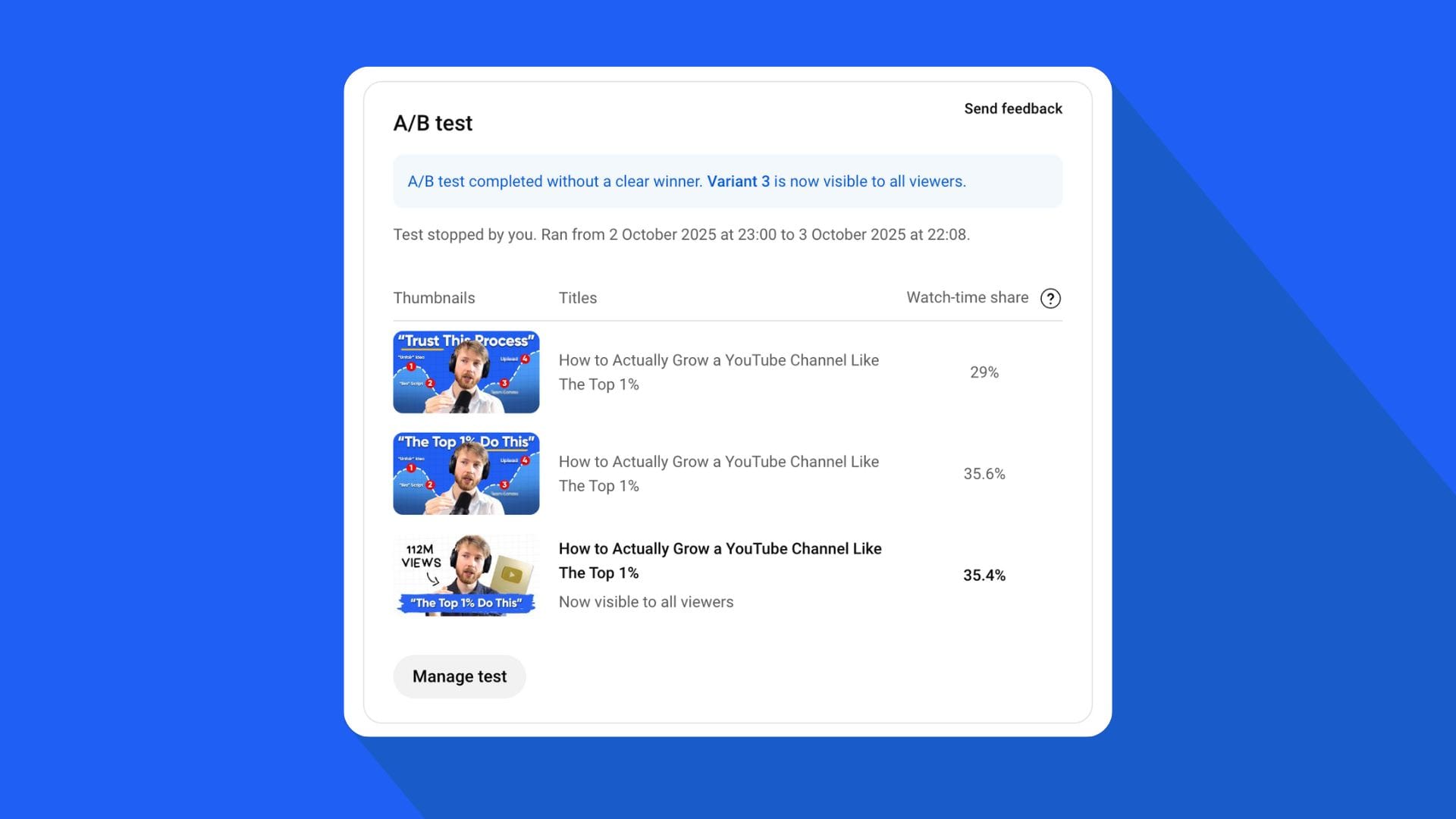
YouTube is one of the most data-rich platforms for creators, and understanding how to leverage its analytics can be a game-changer. Once you've crafted your thumbnails and titles, the next step is to test and optimise them using A/B testing. This method allows you to compare different thumbnails and title variations to see which one performs best. By using analytics effectively, you can continuously refine your content and increase its success.
What is A/B Testing?
A/B testing, also known as split testing, is a process where you compare two or more variations of an element (like a thumbnail or title) to see which one gets better results. In the context of YouTube, A/B testing helps you identify which thumbnail or title combination drives higher click-through rates (CTR) and more views.
- Test one variable at a time: To effectively compare the performance of different thumbnails, titles, or other video elements, only one variable should be altered. This way, you know exactly which change made the difference.
- Analyse the data: Once the test has run for enough time, analyze the performance of each version using YouTube’s built-in analytics. Key metrics to look at include CTR, watch time, and engagement.
Why A/B Testing is Crucial for Thumbnail Optimisation
Your thumbnail is often the first thing a viewer sees, and it plays a major role in their decision to click on your video. Testing different versions of thumbnails allows you to learn what visually appeals to your audience and what grabs their attention. Here's why A/B testing is so important for thumbnail optimisation:
- Identify the best visual elements: A/B testing allows you to determine which visual elements drive more clicks. For example, you can test different colours, text, or images to see which combination resonates most with your viewers.
- Enhance clarity: Thumbnails need to convey the video's content at a glance. A/B testing lets you find out if a simpler, cleaner design or a more complex, detailed thumbnail performs better.
- Measure impact on CTR: Comparing two thumbnails side-by-side means you can see which one results in a higher CTR. Even small tweaks, like changing the background or adding a different facial expression, can impact viewer behaviour.
What to Test in Thumbnails
There are several elements of a thumbnail that can be tested to improve its performance. Here are the key elements to consider:
- Images: Test whether close-up shots or wider shots work better. For example, a thumbnail with a person’s face is often more engaging than one without. You can also test different facial expressions to see which one creates the most connection with your audience.
- Text: Adding text to your thumbnails can help clarify the video’s content, but it should be concise and readable. Try testing different fonts, font sizes, or wording to see which one gets the best response.
- Colour scheme: Colours can significantly impact how a thumbnail is perceived. Bright, contrasting colours may stand out more, but it’s also important to test to see if certain colours resonate better with your audience.
- Backgrounds: A blurred background can make the subject pop, or a dramatic background can add emphasis. Try testing different backgrounds to see which one drives more clicks.
Analysing the Data: What to Look For
Once you’ve tested your thumbnails and titles, it’s time to dive into the analytics to see what worked. YouTube provides a wealth of data to help you understand what your audience responds to:
- Click-Through Rate (CTR): This is the percentage of people who clicked on your video after seeing your thumbnail. A higher CTR usually means your thumbnail is effective at drawing attention.
- Watch Time: While CTR is important, how long people watch your video is just as crucial. If your video gets a high CTR but poor watch time, it could mean your thumbnail was misleading or your content didn’t meet expectations.
- Engagement: Look at metrics like comments, likes, and shares. High engagement rates indicate that your thumbnail, title, and content are hitting the mark with your audience.
Tools for A/B Testing Thumbnails
To make your A/B testing process easier, several tools and platforms can help you design, test, and analyse your thumbnails:
- YouTube Analytics: YouTube provides comprehensive data on how each thumbnail and video performs. Use these insights to see how your thumbnails compare across different videos.
- External Thumbnail Viewers: Platforms like Canva and Photoshop let you design multiple thumbnails and preview how they’ll look across different devices and on YouTube.
Best Practices for A/B Testing
To maximise the effectiveness of A/B testing, keep the following tips in mind:
- Test with a significant sample size: Ensure that you have enough data before making conclusions. Testing on a small sample may not give you accurate insights.
- Test over time: Don’t just test thumbnails for a few hours. Give your tests time to gather data and accurately reflect viewer behaviour.
- Be patient: A/B testing is an ongoing process. Don’t expect to find the perfect thumbnail overnight. Keep experimenting and refining as you go.
Avoiding Common Mistakes When Growing Your Channel
When you’re starting and growing a YouTube channel, it’s easy to make mistakes that can hinder your progress. From creating content that doesn’t resonate with your audience to failing to optimise your videos, these mistakes can slow down growth and limit success. By identifying and addressing common errors, you can avoid unnecessary setbacks and build a stronger foundation for long-term growth.
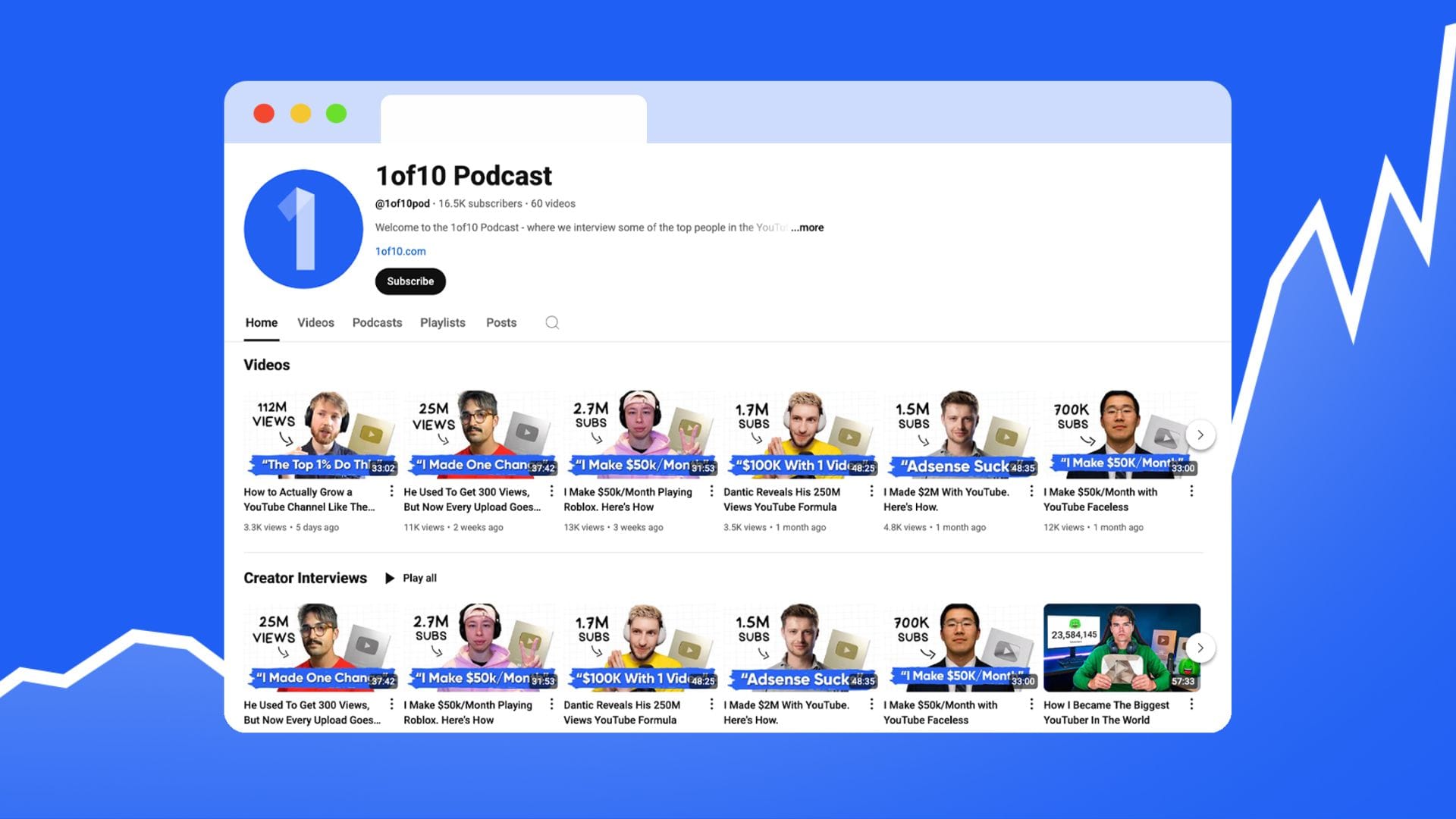
Mistake #1: Overly Long Intros
One of the most common mistakes that creators make is having too long of an introduction. While it’s important to set the stage for your video, a lengthy intro can quickly lose your audience’s attention. Viewers click on videos for one reason: they want the value that’s promised. If they have to sit through several minutes of a drawn-out intro, they’re likely to click away before you even get to the point.
How to Fix It:
- Get to the point quickly: Instead of spending too much time introducing the video, jump straight into the content. A good rule of thumb is to spend no more than 10–15 seconds setting up the video.
- Preview the value: In those first few seconds, briefly mention what the viewer will learn or experience by watching the rest of the video. This sets the expectation and encourages them to stick around.
Mistake #2: Not Defining Your Content’s Value
Another major mistake is failing to define the value that your videos offer. If your content doesn’t clearly communicate why viewers should watch, they might not see the benefit in sticking around. Whether you’re providing entertainment, education, or inspiration, it’s crucial to make the value of your content clear from the start.
How to Fix It:
- Define your niche: Focus on a specific area or topic that you’re passionate about and that resonates with your target audience. Consistency in content will help you build a loyal following.
- Focus on benefits: Highlight the benefits viewers will gain from watching your videos. For educational content, this could be teaching a new skill or offering actionable advice. For entertainment, it could be providing fun, relatable moments.
Mistake #3: Inconsistent Posting Schedule
Inconsistent posting is a problem many creators face, especially early on. It’s easy to get caught up in the creation process and forget about building a regular publishing schedule. However, inconsistency can lead to fewer views, lower engagement, and less overall growth, as YouTube’s algorithm rewards regular uploads.
How to Fix It:
- Create a content calendar: Plan your content in advance and stick to a consistent schedule. Whether it’s once a week or bi-weekly, choose a frequency that works for you and stick with it.
- Batch create content: If you find it difficult to keep up with your schedule, try batch creating content. This way, you’ll always have a backlog of videos ready to go, reducing stress and maintaining consistency.
Mistake #4: Ignoring Audience Feedback
Ignoring feedback from your audience is a major missed opportunity. Your viewers are the best source of information on what they enjoy, and they’re more likely to engage with your content if they feel heard. Whether it's through comments, likes, or even direct messages, their feedback can provide invaluable insights.
How to Fix It:
- Engage with your audience: Respond to comments and ask for feedback. Use polls or questions in your community tab or social media to get direct insights into what your audience wants to see next.
- Iterate based on feedback: Don’t just ask for feedback, act on it. If viewers express interest in a certain topic or format, consider creating content based on that feedback.
Mistake #5: Focusing Too Much on Subscriber Count
While subscribers are important, focusing too much on subscriber count can be misleading. It’s easy to get caught up in the numbers, but views and engagement matter just as much, if not more. A channel with a large subscriber base but low engagement will not perform well in the long run, as YouTube's algorithm prioritises engagement when recommending videos.
How to Fix It:
- Focus on engagement: Rather than obsessing over subscribers, prioritise creating content that gets your viewers to interact, like commenting, liking, or sharing your videos. This leads to better visibility on the platform.
- Create value-driven content: When you focus on creating videos that genuinely provide value, you’ll naturally attract more subscribers who are engaged and interested in your content.
Mistake #6: Not Optimising Video Titles and Descriptions
A great video isn’t enough if people can’t find it. Not optimising your titles, descriptions, and tags can prevent your content from showing up in search results and recommended videos. Without proper optimisation, even the best videos may get lost in the shuffle.
How to Fix It:
- Use clear, keyword-rich titles: Your title should include relevant keywords that your audience is likely to search for. Make it both catchy and descriptive to increase visibility.
- Write detailed descriptions: YouTube uses the description to understand the content of your video. Include a clear summary of the video, along with relevant keywords and links to related content or resources.
- Add tags: Use tags to further clarify your video’s topic. Don’t overdo it, but make sure they accurately represent the content of the video.
Mistake #7: Neglecting Analytics
One of the biggest mistakes a creator can make is ignoring YouTube Analytics. The platform provides a wealth of data that can help you understand what’s working and what’s not. Without regularly checking your analytics, you may miss opportunities to improve your videos or channel strategy.
How to Fix It:
- Review performance regularly: Make it a habit to check your YouTube Analytics at least once a week to see which videos are performing well and which ones aren’t.
- Analyse engagement and retention: Focus on metrics like watch time, CTR, and audience retention. These metrics tell you how well your videos are keeping viewers interested and how you can optimise them for better performance.
- Refine your content strategy: Use the data to adjust your content strategy. If certain topics or formats perform better, create more videos around those ideas.
Conclusion
Building a thriving YouTube channel is a combination of creativity, consistency, and continuous improvement. By understanding the importance of repetition in content creation, optimising your thumbnails and titles, using A/B testing to refine your visuals, and avoiding common growth mistakes, you can foster a loyal audience and maximise your content’s potential. The key is to remain adaptable—repeat what works, but always experiment to stay fresh and engaging.